Author: Albert Plastic Surgery

  • The Art of Facial Fat Transfer: Achieving Natural-Looking Volume Restoration

    The Art of Facial Fat Transfer: Achieving Natural-Looking Volume Restoration

    Facial aging can often leave us feeling like our outer appearance no longer matches our youthful energy. For patients seeking elegant, long-lasting facial rejuvenation, Dr. Mark G. Albert, MD, FACS of Albert Plastic Surgery offers a transformative solution: facial fat transfer. As an award-winning, board-certified plastic surgeon specializing in facial aesthetics, Dr. Albert brings an artist's eye and a surgeon's precision to every procedure, ensuring natural-looking volume restoration that enhances each patient's unique beauty.

    In this blog, we’ll explore how facial fat transfer works, what makes it so appealing, and why Dr. Albert is regarded as one of NYC's most trusted experts in achieving stunning, natural-looking results.

    What Is Facial Fat Transfer?

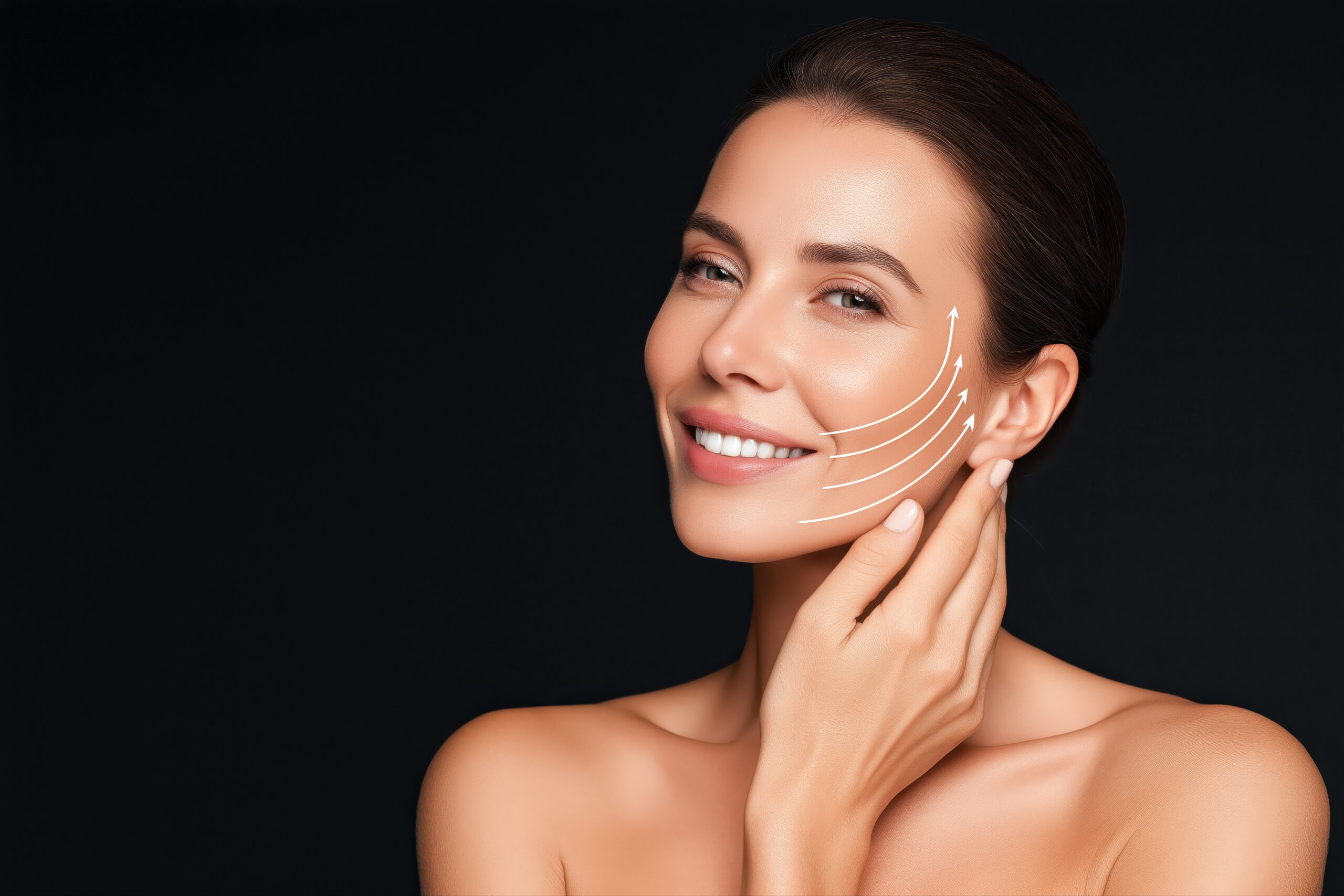
    Facial fat transfer, or fat grafting, uses a patient’s own fat to restore volume and smooth signs of aging. Fat is gently liposuctioned from donor areas like the abdomen or thighs, purified, and carefully injected into hollow or deflated facial areas. This addresses volume loss, softens wrinkles, and refreshes skin texture for a youthful look.

    Unlike synthetic fillers, fat transfer offers permanent, natural-looking results that evolve with your body. Dr. Albert’s precise technique ensures enhancements that beautifully respect each patient’s facial balance.

    Areas Transformed by Fat Grafting

    Facial fat transfer can rejuvenate a wide range of concerns, including:

    • Under eyes: Smooth tear trough hollows and reduce dark shadows.
    • Cheeks and temples: Restore volume to sunken areas for a lifted, youthful contour.
    • Nasolabial folds and marionette lines: Soften deep creases around the mouth.
    • Lips and laugh lines: Enhance lip fullness and refine smile lines.
    • Chin and jawline: Improve definition and contour.
    • Scars and acne pitting: Fill in depressions for smoother skin.

    By using your own fat, Dr. Albert provides a biocompatible, natural approach to volume restoration that integrates seamlessly with your features.

    What to Expect During and After the Procedure

    At Albert Plastic Surgery, facial fat grafting is typically done under local anesthesia for your comfort. After gentle liposuction, the purified fat is precisely injected into targeted areas, with Dr. Albert’s advanced methods ensuring excellent fat survival and lasting results. Most patients experience mild swelling or bruising for a few days and recover smoothly, with final results—restored volume and skin rejuvenation—visible around three months later.

    Why Choose Dr. Mark Albert for Your Facial Fat Transfer?

    Dr. Albert’s blend of advanced training, surgical leadership, and artistic skill has earned him a trusted reputation among patients in NYC and beyond. Here’s why clients choose Albert Plastic Surgery:

    • Expertise: Years of specialized aesthetic training and precise surgical technique.
    • Leadership: Director of the Manhattan Eye, Ear, and Throat Hospital’s renowned aesthetic surgery fellowship.
    • Reputation: Known for delivering sophisticated, natural-looking results.
    • Personalized approach: Focused on patient-centered care, tailored plans, and exceptional safety.

    Each consultation is designed to shape a treatment plan around your personal goals, creating a smooth and rewarding cosmetic journey.

    Begin Your Journey with Albert Plastic Surgery

    Ready to rediscover your youthful contours with the artistry of facial fat transfer? Albert Plastic Surgery is here to guide you every step of the way. With Dr. Mark G. Albert, MD, FACS, you can trust you are in expert hands, receiving attentive, compassionate care designed to highlight your natural beauty and restore your confidence.

    Contact Albert Plastic Surgery today to schedule your personalized consultation and learn how facial fat grafting can transform your look and elevate your self-assurance.

  • The Facelift Resource Center: Everything You Need to Know About Facelift Surgery in NYC

    The Facelift Resource Center: Everything You Need to Know About Facelift Surgery in NYC

    If you're considering facelift surgery in NYC, you're likely asking many of the same questions our patients ask every day. How long does recovery take? Will my results look natural? Am I a candidate for a facelift? Should I combine a facelift with a neck lift? How long will my results last?

    At Albert Plastic Surgery, we believe patients make the best decisions when they have access
    to clear, accurate information. This resource center was created to answer your most common
    questions and help you understand what to expect before, during, and after facelift surgery.

    Quick Answers About Facelift Surgery

    How long does a facelift last?

    Most facelift results last 10 years or longer, although the natural aging process continues.

    How long is facelift recovery?

    Most patients feel comfortable returning to social activities within 2–3 weeks, while final results
    continue improving for several months.

    Will I look unnatural after a facelift?

    Modern facelift techniques are designed to create natural-looking results that preserve your
    unique facial features.

    Can a facelift improve my neck?

    Yes. Many patients combine a facelift with a neck lift to improve jawline definition and neck
    contour.

    Who is a good candidate for a facelift?

    Healthy individuals experiencing sagging skin, jowls, and age-related facial changes are often
    excellent candidates.

    What Is a Facelift and How Does It Work?

    A facelift is a surgical procedure that repositions facial tissues and removes excess skin to
    restore a more youthful appearance.

    As we age, facial tissues naturally descend, skin loses elasticity, and volume changes occur
    throughout the face and neck. These changes often result in sagging cheeks, jowls, loss of
    jawline definition, deep folds around the mouth, and loose skin beneath the chin and neck.
    Modern facelift surgery focuses on repositioning deeper facial structures rather than simply
    tightening the skin. This approach helps create natural-looking, long-lasting results.

    Who Is a Good Candidate for a Facelift?

    Patients experiencing sagging skin, jowls, loss of jawline definition, and other signs of facial
    aging may be good candidates for facelift surgery.
    You may be a candidate if:

    • You notice loose skin around the lower face and jawline
    • You have visible jowls
    • Fillers are no longer providing the improvement you desire
    • You are in good overall health
    • You have realistic expectations

    The best way to determine candidacy is through a personalized consultation with Dr. Mark
    Albert.

    What Is the Difference Between a Facelift and a Neck Lift?

    A facelift primarily addresses the lower face and jawline, while a neck lift focuses on loose skin,
    excess fat, and muscle banding in the neck. Many patients choose to combine both procedures to achieve more balanced facial rejuvenation.

    Facelift vs. Fillers: Which Option Is Right for You?

    Dermal fillers can restore volume and improve certain signs of aging. However, fillers cannot
    reposition descended tissues or remove excess skin. For patients experiencing moderate to significant skin laxity, a facelift often provides a more comprehensive and longer-lasting solution.

    What Happens During a Facelift Consultation?

    During your consultation, Dr. Albert will:

    • Review your medical history
    • Discuss your concerns and goals
    • Evaluate facial anatomy and skin quality
    • Recommend treatment options
    • Explain recovery expectations
    • Create a customized treatment plan

    How Should I Prepare for Facelift Surgery?

    Patients may be instructed to avoid certain medications and supplements, stop smoking and
    nicotine use, complete medical clearances if necessary, and arrange transportation and
    assistance after surgery.How Long Does Facelift Recovery Take?

    Week One

    • Swelling and bruising are most noticeable
    • Follow-up appointments begin
    • Rest and limited activity are recommended

    Week Two

    • Bruising continues to improve
    • Many patients feel comfortable appearing in public
    • Light daily activities may resume

    Weeks Three Through Six

    • Swelling continues to decrease
    • Facial contours become more refined
    • Most normal activities can be resumed

    Months Three Through Twelve

    • Final results continue to develop
    • Scars soften and mature
    • Facial tissues settle naturally

    How Long Do Facelift Results Last?

    Most facelift results last 10 years or longer. While surgery cannot stop the aging process, it can significantly restore youthful facial contours and provide long-lasting improvement.

    What Is NanoLift?

    NanoLift is Dr. Mark Albert's proprietary facelift approach developed to achieve natural-looking facial rejuvenation while preserving each patient's unique facial characteristics. The goal of NanoLift is not to create an overcorrected appearance, but rather to help patients look refreshed, rested, and like a younger version of themselves. Developed through Dr. Albert's extensive experience in facial rejuvenation surgery, NanoLift reflects his commitment to innovation, facial harmony, and natural-looking results.

    Can a Facelift Be Performed Under Local Anesthesia?

    Yes. Depending on the patient's anatomy and goals, certain facelift procedures may be performed under local anesthesia. Many patients are surprised to learn that facelift surgery may be performed under local anesthesia rather than general anesthesia.

    For appropriate candidates, local anesthesia may offer several potential benefits, including:

    • Reduced nausea after surgery
    • Faster recovery
    • Less downtime
    • Avoidance of general anesthesia
    • Greater comfort for patients who prefer to remain awake during their procedure

    During your consultation, Dr. Albert can determine whether local anesthesia is an appropriate
    option based on your anatomy, goals, and overall health.

    What Makes Dr. Mark Albert's Approach Different?

    Dr. Mark Albert specializes exclusively in facial rejuvenation and facelift surgery. In addition to caring for patients in Manhattan and New York City, he frequently lectures on facelift surgery at national and international conferences and participates in advanced cadaver training laboratories focused on facial anatomy and modern facelift techniques. Dr. Albert developed the NanoLift technique as part of his commitment to innovation and natural-looking facial rejuvenation. He also incorporates advanced surgical protocols, including the use of tranexamic acid during surgery, which may help minimize bleeding, bruising, and post-operative drainage.

    Facelift Before and After Results

    The goal of modern facelift surgery is not to make patients look different. The best facelift results restore youthful facial contours while preserving natural facial features and expressions. Patients often report looking more rested, refreshed, and confident following surgery.

    Why Choose Dr. Mark Albert for Facelift Surgery in NYC?

    Patients throughout Manhattan and New York City seek Dr. Albert's expertise for personalized care, advanced surgical techniques, natural-looking results, and a commitment to ongoing innovation in facial rejuvenation. Through his national and international educational activities, development of the NanoLift technique, and focus on facial rejuvenation surgery, Dr. Albert remains actively involved in advancing modern facelift techniques. His goal is to help patients achieve refreshed, natural-looking results that enhance their appearance while preserving their unique facial identity.

    Frequently Asked Questions About Facelift Surgery

    How painful is facelift surgery?

    Most patients report significantly less discomfort than expected.

    When can I return to work after a facelift?

    Many patients return to work within 2–3 weeks.

    Will people know I had surgery?

    The goal is for people to notice that you look refreshed, not operated on.

    Can a facelift be combined with laser treatments?

    Yes. Many patients combine facelift surgery with CO2 laser resurfacing and other rejuvenation
    treatments.

    What is the difference between a mini facelift and a full facelift?

    The appropriate procedure depends on your anatomy, goals, and degree of aging.

    Are facelift scars visible?

    Incisions are carefully placed and generally become less noticeable as they mature.

    Schedule a Consultation

    If you're considering facelift surgery in NYC and would like personalized recommendations, schedule a consultation with Dr. Mark Albert. Together, we can discuss your goals, answer your questions, and create a treatment plan tailored to your needs.

  • The “Natural-Filler”: Fat Transfers for a Natural Look

    The “Natural-Filler”: Fat Transfers for a Natural Look

    As we age, the loss of facial volume can lead to hollowed features, fine lines, and an overall tired appearance. While dermal fillers offer a temporary solution, facial fat transfer provides a natural, long-lasting alternative that utilizes your body’s own tissue to restore youthful contours.

    Dr. Mark Albert, a board-certified plastic surgeon in NYC, specializes in facial fat grafting, combining technical precision with an artistic approach to facial rejuvenation. In this blog, we’ll explore how his expertise in fat transfer can restore youthful contours using your body’s own natural tissue for a long-lasting, refreshed look.

    What Is Facial Fat Transfer?

    Facial fat transfer, also known as fat grafting, fat injection, or lipofilling, is a minimally invasive procedure that harvests fat from a donor site (such as the abdomen or thighs), purifies it, and then injects it into areas of the face that lack volume.

    This technique is particularly effective for addressing common signs of aging, such as:

    • Hollowing around the eyes
    • Loss of cheek volume
    • Sunken-in temples
    • Deep nasolabial folds and marionette lines
    • Overall facial deflation

    By utilizing your body’s own fat, this procedure eliminates the need for synthetic fillers while offering long-lasting, natural-looking results.

    How Facial Fat Transfer Enhances Volume and Smooths Wrinkles

    Facial fat transfer enhances facial harmony by restoring lost volume and creating a natural, youthful appearance. Many patients prefer this approach for its numerous benefits, including:

    • Restored Volume: Naturally replenishes areas of volume loss for a youthful appearance.
    • Minimized Wrinkles & Creases: Softens fine lines and deep folds for smoother skin.
    • Long-Lasting Results: Unlike traditional fillers, fat transfer offers permanent enhancement.
    • Minimally Invasive: Requires only small liposuction incisions and tiny facial injections.
    • No Synthetic Materials: Uses your own fat for a biocompatible, natural approach.
    • Quick Recovery: Short downtime with minimal discomfort.
    • Improved Skin Quality: Stem cells in fat enhance skin texture and elasticity.

    From Harvesting to Injection: How Fat Transfer Works

    After harvesting and purifying the fat, Dr. Albert precisely injects it into targeted areas such as the under-eye hollows, cheeks, jawline, and lips—creating a customized, natural-looking rejuvenation. His meticulous approach to facial fat transfer ensures precise, natural results:

    • Fat Harvesting: A small cannula is used to gently liposuction fat from a donor area such as the abdomen, flanks, or thighs.
    • Purification Process: The harvested fat is purified to extract healthy, viable fat cells for reinjection.
    • Strategic Injection: Using advanced microinjection techniques, Dr. Albert precisely injects the purified fat into targeted facial areas to restore lost volume and enhance contours.
    • Recovery & Results: Mild swelling and bruising subside within days, with final results visible in about three months as the fat establishes blood supply and integrates with surrounding tissues.

    Achieve Natural Facial Rejuvenation with Dr. Albert

    For the most natural, long-lasting facial fat transfer results, expertise matters. As NYC’s leading facial plastic surgeon, Dr. Albert combines advanced surgical techniques with an artistic approach to restore youthful contours. His role as director of the Manhattan Eye, Ear, and Throat Hospital aesthetic surgery fellowship ensures he remains at the forefront of innovation, while his background in sculpture allows him to create balanced, harmonious results tailored to each patient.

    If you’re considering facial fat grafting, Dr. Albert and his team at Albert Plastic Surgery are here to help. Contact our NYC office today to schedule your consultation and discover how fat transfer can restore volume, smooth wrinkles, and enhance your natural beauty with precision and care.

  • Unsuccessful Rhinoplasty: Is it Too Late for Revision Rhinoplasty?

    Unsuccessful Rhinoplasty: Is it Too Late for Revision Rhinoplasty?

    At Albert Plastic Surgery, we understand the impact an unsuccessful rhinoplasty can have on your confidence and well-being. We know that it can be a truly disappointing and even devastating experience. But we’re here to reassure you that help and hope are available. If you have undergone rhinoplasty that did not meet your expectations, it's essential to know that it is not too late to achieve the desired results. Revision rhinoplasty offers a renewed opportunity to address previous concerns and achieve the nasal aesthetic you have always desired. 

    Understanding Unsuccessful Rhinoplasty

    An unsuccessful rhinoplasty can manifest in various ways, including asymmetry, breathing difficulties, an unnatural appearance, or dissatisfaction with the overall outcome. It's essential to recognize that every individual's experience with rhinoplasty is unique, and factors such as surgical technique, healing process, and post-operative care can contribute to the result. Suppose you find yourself dissatisfied with the outcome of your initial rhinoplasty. In that case, it's crucial to seek the guidance of a skilled and experienced plastic surgeon to explore the potential of revision rhinoplasty.

    Exploring the Potential of Revision Rhinoplasty

    Revision rhinoplasty is a specialized procedure designed to address the aesthetic and functional concerns that persist after a previous rhinoplasty. This advanced surgical approach aims to correct the issues resulting from an unsuccessful primary rhinoplasty, restoring balance, harmony, and natural beauty to the nasal structure. Whether you are experiencing aesthetic dissatisfaction or functional difficulties, revision rhinoplasty offers a path toward achieving the results you deserve.

    Is it Too Late for Revision Rhinoplasty?

    Since this has become a question we often hear during our consultations, we want to reassure you: It is never too late to pursue revision rhinoplasty if you are dissatisfied with the outcome of your initial procedure. Advances in surgical techniques and the expertise of experienced plastic surgeons have made it possible to address and correct the effects of an unsuccessful rhinoplasty. By seeking the guidance of a skilled and compassionate surgeon like Dr. Albert, you can embark on a journey toward achieving a nasal aesthetic that aligns with your vision and enhances your overall well-being.

    The Dr. Albert Difference

    Simply put, at Albert Plastic Surgery, we’re proud to be a leader in the field of revision rhinoplasty. Knowing how sensitive this procedure can be, Dr. Albert encourages multiple consultations and meetings with patients before their procedure to ensure they feel empowered and comfortable with their decisions. While there, he can go over the range of healing care that we offer, including 100% closed and scarless options, to provide tailored solutions for each patient. He also utilizes Vectra virtual 3-D imaging to give you a crystal clear sense of what’s to come with your specific procedure. We believe this personalized approach and our use of advanced rhinoplasty techniques allow us to ensure you get the results you deserve. 

    Embracing a Positive Outlook

    Part of why we encourage an extended consultation process is to make sure you are approaching your revision rhinoplasty with a positive mindset. While the experience of an unsuccessful rhinoplasty can be disheartening, it is not irreversible. With the proper guidance and expertise, you can embark on a transformative journey towards achieving the nasal aesthetic that reflects your inner beauty and individuality. At Albert Plastic Surgery, we are committed to being your partners in this journey, providing unwavering support and personalized care every step of the way.

    Schedule a Consultation Today

    So, if you have experienced an unsuccessful rhinoplasty and are considering revision rhinoplasty, we invite you to schedule a consultation with Dr. Albert today. We are dedicated to helping you explore the possibilities of revision rhinoplasty and delivering the results you deserve. 

    Together, we can achieve a harmonious and natural nasal aesthetic that instills confidence and enhances your overall well-being. It is not too late to rewrite your rhinoplasty story and embrace a future filled with renewed confidence and beauty. 

  • Using Cutting-Edge Neck Lift Techniques to Deliver Age-Defying Outcomes

    Using Cutting-Edge Neck Lift Techniques to Deliver Age-Defying Outcomes

    Neck lift surgery is known for smoothing sagging skin, eradicating creases and wrinkles, and firming the vertical bands that distract from a youthful and inviting countenance. However, not all neck lifts are created equal. By choosing a more advanced, complex approach to neck surgery, your plastic surgeon can create a far more natural-looking outcome that will stand the test of time, allowing you to age more gracefully. 

    Many patients struggle with prominent submandibular glands, pronounced anterior digastric muscles, protruding mylohyoid muscles, and significant subplatysmal fat. By removing portions of these structures during the procedure, your surgeon can achieve significantly more refined neck contours than can be accomplished with a traditional neck lift.

    Neck Lift Surgery – The Perfect Complement to a Facelift

    Many patients focus primarily on the face when seeking out anti-aging procedures. However, the neck is an especially delicate area known for telegraphing the effects of collagen and elastin loss. Any rejuvenation protocol that neglects the neck will likely result in less than satisfactory outcomes. A neck lift is performed to smooth crepe-like skin, eradicate unsightly muscle banding, and provide patients with a more refined profile and silhouette. 

    Who Qualifies for a Neck Lift?

    In order to successfully undergo a neck lift, patients must be non-smokers in good physical and mental health, free from any uncontrolled medical concerns that could compromise their health or safety. Realistic expectations are also essential with a neck lift, as the surgery can take years off of your appearance, but it will never make you look like you are in your 20s again. 

    Choosing an Innovative Alternative to Traditional Neck Lift Techniques

    Neck lift surgery has evolved tremendously over the years. Despite this, today’s conventional neck lift techniques are still in need of additional updates. Dr. Mark G. Albert, M.D., F.A.C.S., a board-certified plastic surgeon in NYC, has developed a precision-oriented approach for addressing all the critical structures in the neck, including the following:

    • Submandibular glands: Positioned under the jaw, these glands produce saliva that seeps into the mouth from under the tongue. As we age, these structures may become more prominent, compromising the appearance of the upper neck. By carefully reducing the submandibular glands, your plastic surgeon can enhance your results tremendously, providing you with a more streamlined and sculpted profile.
    • Prominent anterior digastric muscle: Digastric muscles aid in chewing, swallowing, and speaking. When they are enlarged, they can make the neck appear too full and bulky, an aesthetic most patients find distressing. Reducing the size of the digastric muscles can help optimize the results of a neck lift and provide patients with a more youthful-looking final result.
    • Prominent mylohyoid muscle: The mylohyoid muscle secures the tongue’s connection to the floor of the mouth. While this structure is critical for proper functioning during daily life, if it is too pronounced, it can result in an unfavorable neck appearance. Your plastic surgeon can reduce the size of the mylohyoid muscle to exponentially improve your neck lift outcome.
    • Subplatysmal fat:  Subplatysmal fat occurs at a deeper plane than subcutaneous fat and is more likely to increase with the aging process. Because of its more entrenched location, this type of fat can be especially difficult to address with conventional techniques. Dr. Albert and other highly skilled perfectionists like him understand that targeting subplatysmal fat is the key to producing the taut, elegant neck contours patients most desire.
    • Hyoid bone: The hyoid bone in the front of the neck plays a key role in swallowing and speaking functions. Cosmetically, it is responsible for defining the neck angle. Since the bone is floating, it is possible to subtly reposition it in such a way as to create a more contoured and slender neck profile.

    Neck lift before pic

    What Is the Takeaway?

    While neck lifts have been performed successfully for decades, there is always room for improvement. With the introduction of cutting-edge neck lift techniques that address not only the skin but also the submandibular glands, digastric muscles, mylohyoid muscles, hyoid bone, and subplatysmal fat, neck lifts today can profoundly improve patient outcomes, providing them with a level of age-defying rejuvenation that was previously unimaginable.

    If you would like to learn more about Dr. Albert’s highly precise and artistic approach to neck lift surgery, contact him at his Upper East Side location in NYC today!

  • What is the most common facial plastic surgery procedure?

    What is the most common facial plastic surgery procedure?

    According to the American Society of Plastic Surgeons (ASPS), the most common facial plastic surgery procedure is rhinoplasty, or “nose job.”  This procedure involves reshaping the bone and cartilage of the nose to alter its appearance. The cosmetic alterations may include changing the size and shape of the nose, adjusting the width and height, and altering the shape of the nostrils. Rhinoplasty can also help reduce bumps or curvature of the nose. In some cases, cartilage from other parts of the body, such as the septum or ear, can be used to enhance the look of the nose.

    Along with general rhinoplasty, Dr. Albert also offers scarless closed rhinoplasty. This procedure repairs a deviated septum for improved breathing.  With this procedure, incisions are made from inside the nostrils, leaving no visible scars.  With closed rhinoplasty, Dr. Albert can address functional improvements for better breathing and other aesthetic concerns, such as the shape of your nose.

    What is the recovery timeline for rhinoplasty?

    After surgery, patients may experience temporary swelling and bruising around the nose and eyes, gradually subsiding over time. The initial recovery phase, spanning a week or two, is a critical period during which your body begins its healing process. While noticeable improvements may emerge early on, the ultimate results unfold over a few months. This prolonged timeline ensures that the transformation is natural and refined, allowing both physical and aesthetic adjustments to settle harmoniously.

    As with any surgical intervention, rhinoplasty entails inherent risks that include infection, bleeding, and anesthetic complications. With his wealth of expertise, Dr. Albert is equipped to navigate these potential risks. He is ready to thoroughly discuss and address any questions or concerns you may have, ensuring a well-informed and confident approach to your transformative journey. By engaging in transparent dialogue, Dr. Albert ensures that you embark on this path with a comprehensive understanding of the procedure's nuances, further enhancing your peace of mind throughout the entire process.

    Rhinoplasty with Albert Plastic Surgery

    Renowned for his surgical excellence, Dr. Albert is an award-winning practitioner, earning the respect of his colleagues. At the forefront of innovation, he employs cutting-edge techniques to align with your expectations. It begins with a consultation at Albert Plastic Surgery. During this session, Dr. Albert attentively leads you through an array of procedural options, tailoring the discussion to fit your specific needs. His insightful guidance leads you toward a meticulously crafted treatment plan, ensuring a path that leads to your goals.

    Albert Plastic Surgery is committed to delivering top-tier care, utilizing state-of-the-art techniques and cutting-edge technology to optimize patient well-being. Our warm and inviting environment guarantees safe and natural results and offers an unmatched level of attention to detail. Our on-site AAAASF-accredited surgical facility enhances the continuity of care, a distinctive feature that sets us apart. We prioritize your comfort throughout the recovery process, ensuring a pleasant and reassuring experience as you move toward your anticipated results. Our dedicated team is ready to explore ways in which we can assist you on your journey to achieving your aesthetic goals. Contact us today!

  • Why Get Open vs. Closed Rhinoplasty?

    Why Get Open vs. Closed Rhinoplasty?

    At Albert Plastic Surgery, we understand the significance of making informed decisions when considering rhinoplasty. That’s why our board-certified Aesthetic Plastic and Reconstructive Surgeon, Dr. Mark G. Albert, remains committed to guiding patients through exploring the benefits of open and closed rhinoplasty techniques. To this end, here are some considerations surrounding open and closed rhinoplasty, aiming to provide clarity and insight to those seeking to achieve their ideal nasal aesthetic.

    Understanding Open and Closed Rhinoplasty

    Open and closed rhinoplasty are two distinct surgical techniques for addressing nasal aesthetics and function. In open rhinoplasty, an incision is made across the columella, allowing for direct visualization of the nasal structures. Conversely, closed rhinoplasty involves internal incisions with no external scarring. 

    Exploring Closed Rhinoplasty

    On the other hand, closed rhinoplasty involves internal incisions, resulting in no visible scarring on the exterior of the nose. This approach is well-suited for patients requiring less extensive modification, focusing on targeted adjustments to the nasal framework. Closed rhinoplasty may offer a quicker recovery time and reduced post-operative swelling, making it an appealing option for individuals seeking more subtle refinements to their nasal appearance.

    Making an Informed Decision

    Ultimately, the decision between open and closed rhinoplasty should be based on a thorough understanding of the benefits and considerations associated with each technique. Rest assured, Dr. Albert and the team at Albert Plastic Surgery are dedicated to ensuring that each patient receives personalized guidance and support throughout the decision-making process, empowering individuals to make informed choices that align with their aesthetic aspirations and medical needs.

    Let Us Be Your Guide

    As you can see, the decision to undergo open or closed rhinoplasty is significant, and it is essential to consider the unique advantages and considerations associated with each approach. Dr. Albert is committed to providing comprehensive information and personalized guidance to help patients confidently navigate this decision. Whether opting for the precision of open rhinoplasty or the subtlety of closed rhinoplasty, patients can trust Dr. Albert's expertise and dedication to achieving results that exceed their expectations. 

    If you are considering rhinoplasty, we invite you to schedule a consultation today and explore the possibilities of open and closed rhinoplasty, guided by a team that prioritizes your well-being and aesthetic goals.