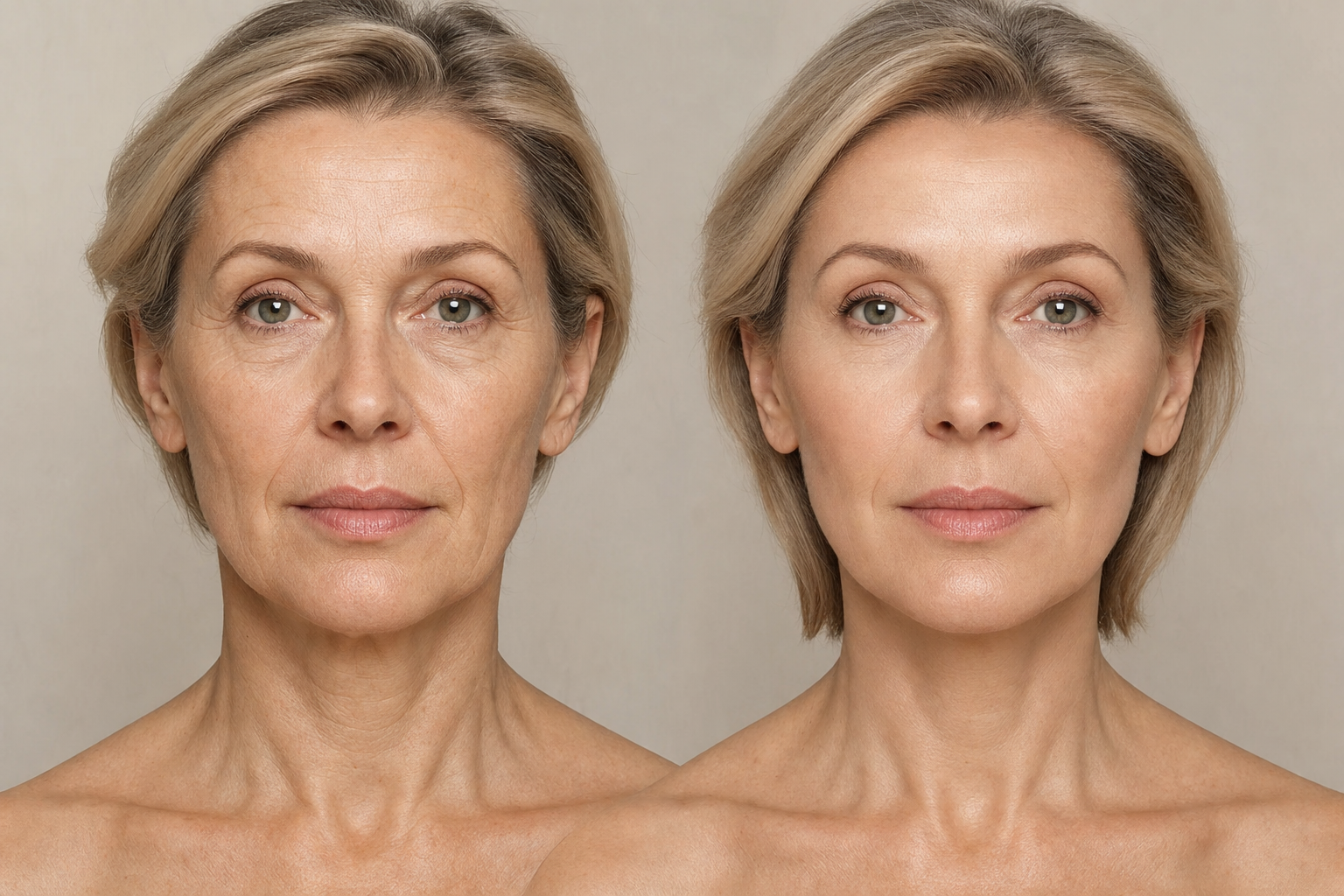
deep plane facelift in 30s
Key takeaway: A deep plane facelift in 30s may be appropriate for select adults with structural changes in the lower face or neck, but age alone does not establish candidacy. Facial anatomy, skin quality, soft-tissue position, health history, expectations, and the cause of visible aging all require an in-person assessment.
Key Takeaways
- Structural changes in the lower face or neck may justify a deep plane facelift during the thirties for specific patients.
- Chronological age is not the primary factor when determining if a patient qualifies for this surgical procedure.
- An in-person evaluation is necessary to analyze facial anatomy, skin quality, and soft-tissue position before making a recommendation.
- A comprehensive health history and clear aesthetic expectations are essential components of the pre-operative assessment.
- The underlying causes of visible aging must be identified to ensure the chosen treatment aligns with the patient's needs.
Author and medical reviewer: Mark G. Albert, MD, FACS, is certified by the American Board of Plastic Surgery and a Fellow of the American College of Surgeons. He is the founder and chief surgeon of Albert Plastic Surgery, Program Director of the Aesthetic Plastic Surgery Fellowship at Manhattan Eye, Ear, and Throat Hospital, and an Assistant Clinical Professor of Surgery at the Zucker School of Medicine at Hofstra/Northwell.
What is deep plane facelift in 30s?
A deep plane facelift is a surgical technique that releases and repositions deeper facial soft-tissue layers, rather than relying only on tension placed on the skin. In a younger adult, the discussion is usually centered on specific anatomy, such as early jowling, descent through the cheek and lower face, loose skin beneath the chin, or a less defined jawline. A deep plane facelift in 30s is not automatically too early or too aggressive, but it is not suitable for everyone. The operation, anesthesia plan, incision design, recovery, and expected degree of correction must be tailored during consultation.
The term “deep plane” may not mean exactly the same thing in every surgical practice. Some surgeons use terminology related to the SMAS, or superficial musculoaponeurotic system, while others discuss a Mini Facelift, a Nanolift™, or a different form of facelift based on the tissues being addressed. These labels should be explained in anatomical terms. The relevant questions include which layers will be mobilized, whether the neck and jawline are within the surgical plan, where incisions will be placed, and which changes the procedure cannot correct.
Age is only one part of the decision. A careful evaluation considers facial proportions, ligament support, skin elasticity, volume distribution, muscle activity, prior procedures, medical conditions, nicotine exposure, medication use, and the patient’s readiness for surgery. Deferring treatment is a reasonable choice when the anticipated benefit is uncertain or the recovery does not fit current responsibilities.
Benefits of deep plane facelift in 30s

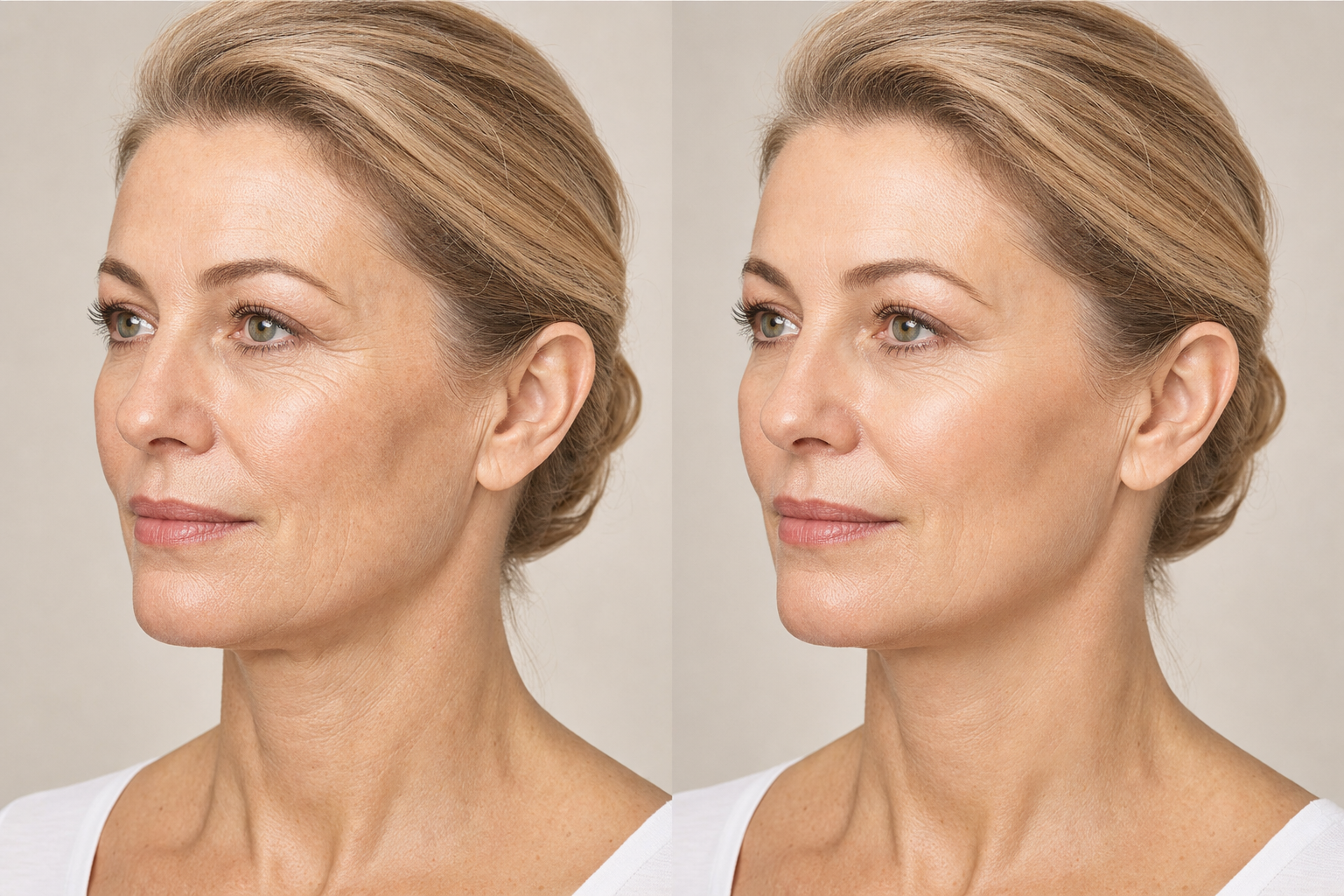
When a patient is well selected, a deep plane approach may address descent of the cheek and lower-face tissues with a more comprehensive adjustment of facial support. Potential areas of improvement include early jowls, laxity along the jawline, folds near the mouth, and selected neck changes. The goal is not to create a new face or erase normal expression. A well-planned facelift aims for balanced repositioning, a natural contour, and an appearance that remains proportionate to the patient’s age.
Some younger adults seek evaluation because they have inherited laxity, experienced substantial weight change, or notice tissue descent that does not match their age. Others may have a strong family pattern of early facial aging. In these situations, surgery can be considered when the concern is persistent, clearly visible in person, and unlikely to be addressed adequately through skin tightening alone. A Mini Facelift may be discussed when the degree and location of laxity call for a more limited operation. Albert Plastic Surgery maintains a dedicated live service page for Mini Facelift.
Long-lasting improvement is possible, though facelift surgery does not stop natural aging. Skin, connective tissue, facial fat, and bone structure continue to change over time. The operation also has limits: it cannot guarantee a particular jawline, remove every crease, prevent future laxity, or eliminate all asymmetry. Recovery commonly includes swelling, bruising, tightness, temporary numbness, incision healing, and gradual settling of the contours. The timing of work, exercise, travel, and public activities varies by patient and should not be promised in advance.
Every operation carries meaningful risks, including bleeding, infection, unfavorable scarring, wound-healing problems, asymmetry, altered sensation, hairline changes, nerve-related weakness, anesthesia complications, and the possibility of revision surgery. Individual risk can be affected by general health, smoking or nicotine exposure, medications, prior surgery, and the chosen technique. A consultation should address these concerns directly, including the option to choose a less extensive procedure such as the Mini Facelift or to postpone surgery when the expected benefit does not justify the commitment.
How to Choose deep plane facelift in 30s
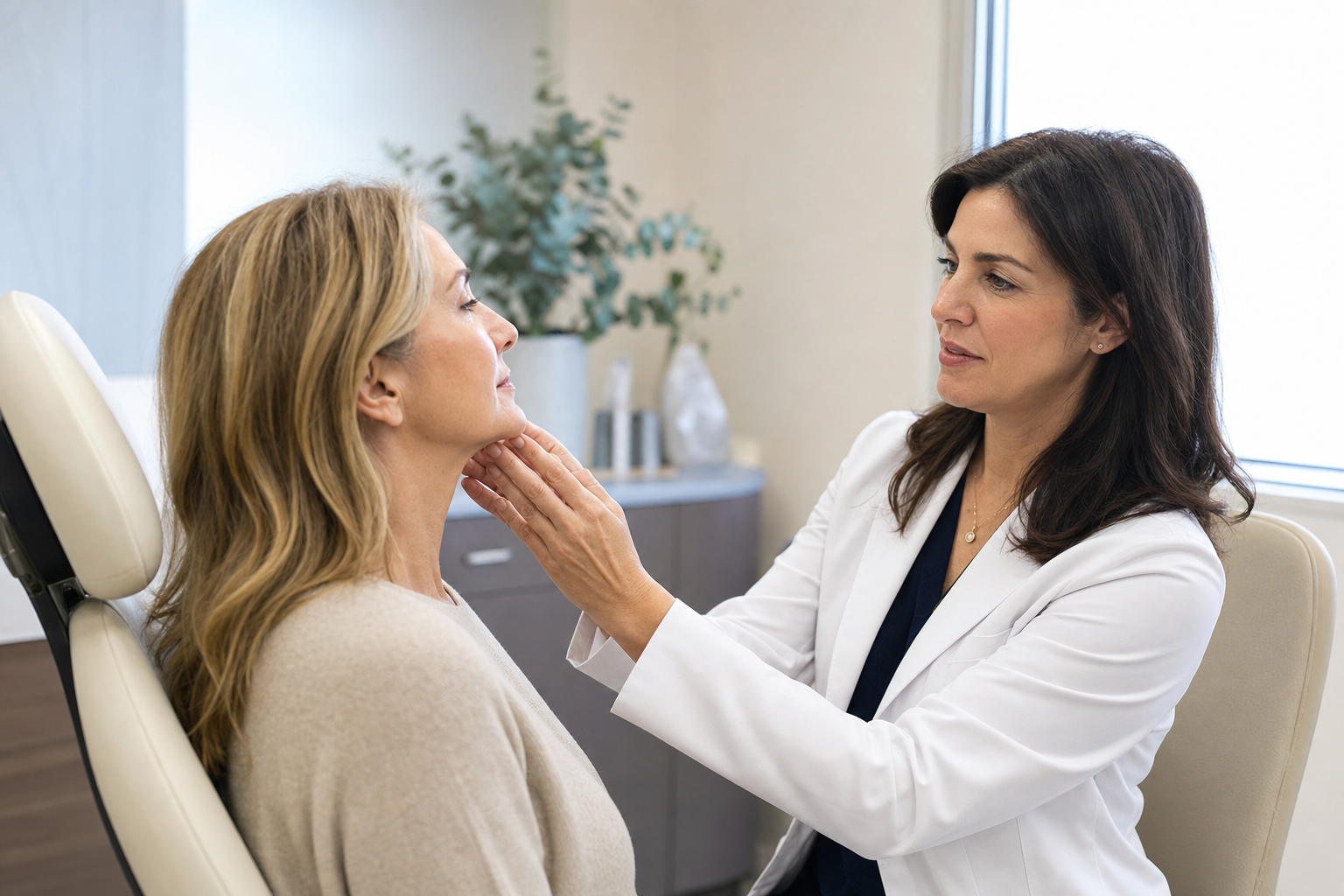
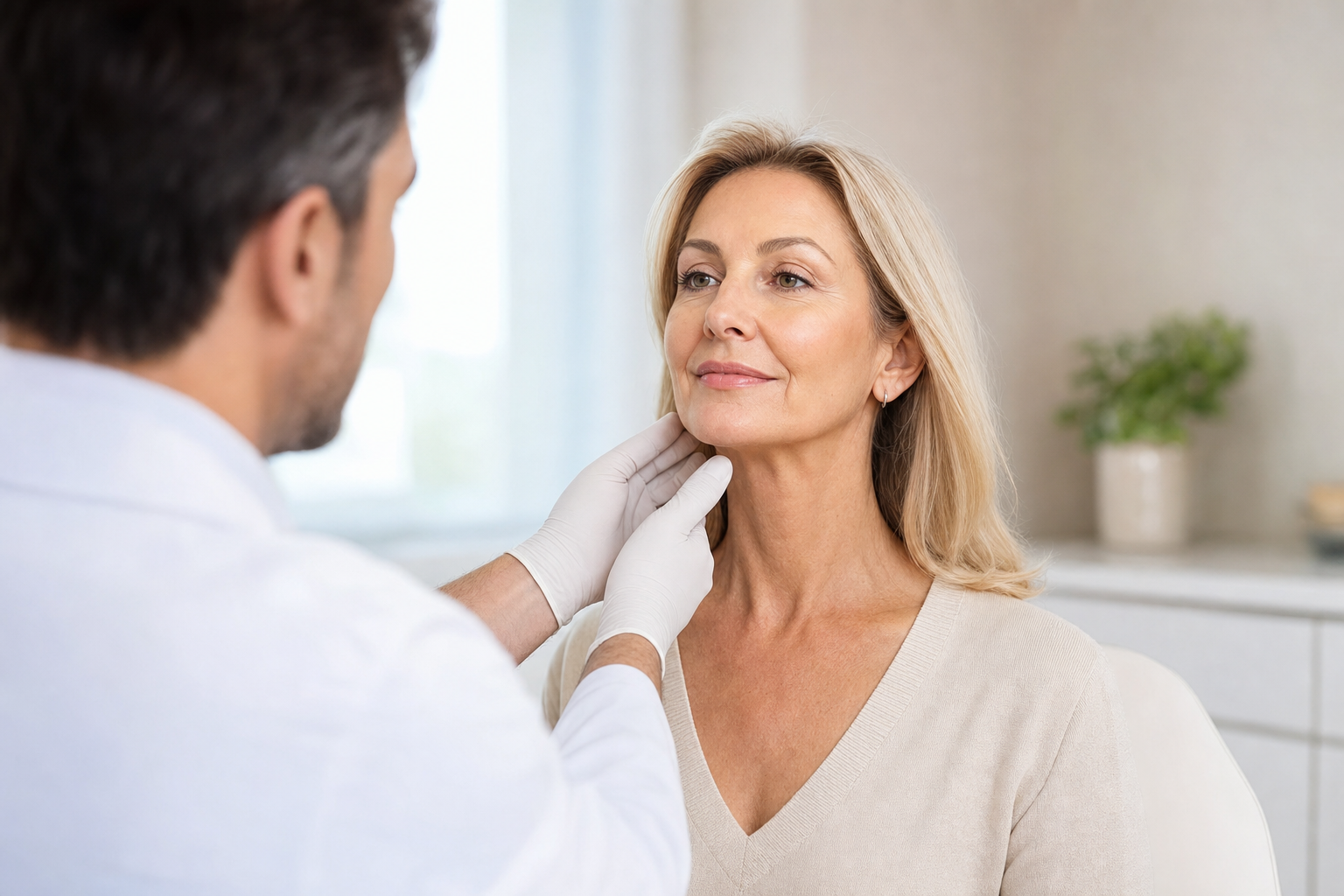
Choosing a facelift approach should begin with the changes you want addressed, not with a technique name. During consultation, a qualified plastic surgeon should examine the cheek, lower face, jawline, neck, skin elasticity, soft-tissue position, facial balance, and any natural asymmetry. Early jowling, descended cheek tissue, or loose skin beneath the chin may support a discussion about surgery, while mild concerns may not justify a deeper operation. A Mini Facelift may be considered when laxity is limited to a smaller area. Deferring treatment is also reasonable when the anticipated improvement is modest or the recovery does not fit your responsibilities.
Ask the surgeon to describe the proposed operation in anatomical terms. “Deep plane,” SMAS, Nanolift™, and Mini Facelift can be defined differently among practices, so the label alone does not explain the surgical plan. Clarify which tissue layers will be released or repositioned, whether the neck and jawline are included, how incisions will be placed, and which concerns will remain unchanged. A thoughtful plan should account for skin quality, connective-tissue support, prior facial surgery, weight stability, nicotine exposure, medical conditions, medication use, and your tolerance for an operation with a potentially more involved recovery.
What should you ask during the consultation?
Ask about the surgeon’s training, board certification, hospital or facility credentials, anesthesia arrangements, postoperative supervision, and process for managing concerns after surgery. Dr. Mark G. Albert, MD, FACS, is certified by the American Board of Plastic Surgery and is a Fellow of the American College of Surgeons. He completed plastic surgery residency and chief residency at the University of Massachusetts Medical School, followed by an aesthetic plastic surgery fellowship at Manhattan Eye, Ear, and Throat Hospital. He is also Program Director of the MEETH Aesthetic Plastic Surgery Fellowship and an Assistant Clinical Professor of Surgery at the Zucker School of Medicine at Hofstra/Northwell.
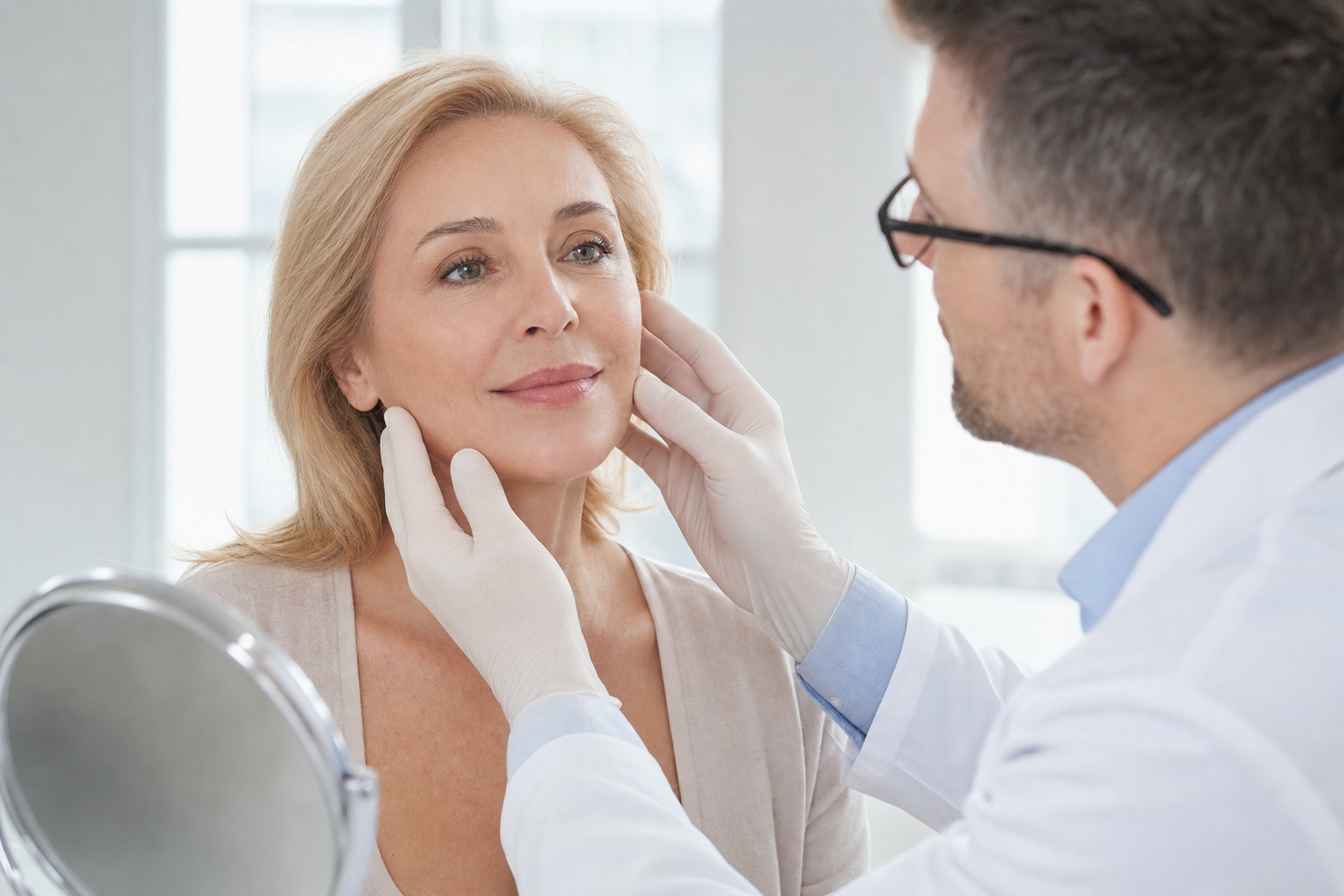
Bring practical questions about preparation and daily life. Request a realistic description of swelling, bruising, tightness, numbness, incision healing, activity restrictions, work obligations, travel, and public appearances. Healing follows phases, and no clinician can guarantee a particular return date. Discuss material risks, including bleeding, infection, wound-healing difficulty, unfavorable scars, asymmetry, altered sensation, hairline changes, nerve-related weakness, anesthesia complications, and revision surgery. Candidacy, technique, recovery, risks, and outcomes require individualized clinical assessment.
Signs that a different level of surgery may be more appropriate
Potential reasons to consider a deeper approach
- Descent involves the cheek, lower face, and jawline rather than skin alone.
- Structural laxity remains visible despite stable weight and healthy skin care.
- The patient accepts a surgical recovery and understands the procedure’s limits.
Reasons to reconsider or defer
- The concern is minor, poorly defined, or disproportionate to the proposed operation.
- Expectations include permanent correction, complete symmetry, or an exact recovery date.
- Health factors, nicotine use, unstable weight, or limited postoperative support increase concern.
A Mini Facelift may offer a more limited surgical plan for selected patterns of lower-face laxity, though it is not automatically appropriate and may not address every neck or cheek concern. The right decision depends on examination, informed consent, personal priorities, and a clear understanding of tradeoffs. A consultation should leave you with enough information to decide carefully, including the option to seek additional medical advice before scheduling surgery.
Frequently Asked Questions
Can someone in their 30s have a deep plane facelift?
Yes, some adults in their 30s may be considered for a deep plane facelift when they have identifiable soft-tissue descent, early jowling, neck laxity, or inherited facial laxity that is significant enough to justify surgery. Age by itself does not establish candidacy. A qualified plastic surgeon must assess facial anatomy, skin elasticity, overall health, medical history, expectations, and readiness for recovery during an in-person consultation.
Is a deep plane facelift too aggressive or too early in the 30s?
It may be too extensive when the concern is mild, limited to the skin, or not clearly related to tissue descent. A deeper operation should not be selected because the name sounds more comprehensive. The proposed technique should match the location and severity of the concern. In some cases, a Mini Facelift may be discussed for selected lower-face laxity. Deferring surgery is also a medically reasonable option.
What matters more than age when determining candidacy?
Facial structure, tissue position, skin quality, weight stability, health conditions, nicotine exposure, medications, prior surgery, and expectations all influence the decision. The surgeon should also consider whether the desired improvement is realistic and whether the patient can arrange appropriate postoperative support. Candidacy, technique, anesthesia, recovery, risks, and outcomes require individualized clinical assessment.
Would a facelift address my neck, jowls, or jawline?
A facelift may improve selected areas of the lower face and neck when laxity and tissue descent are contributing to the concern. The exact effect depends on anatomy and the surgical plan. It cannot guarantee a particular contour, remove every crease, or create perfect symmetry. During consultation, ask whether the proposed operation includes the neck and jawline, which changes are realistic, and what limitations may remain.