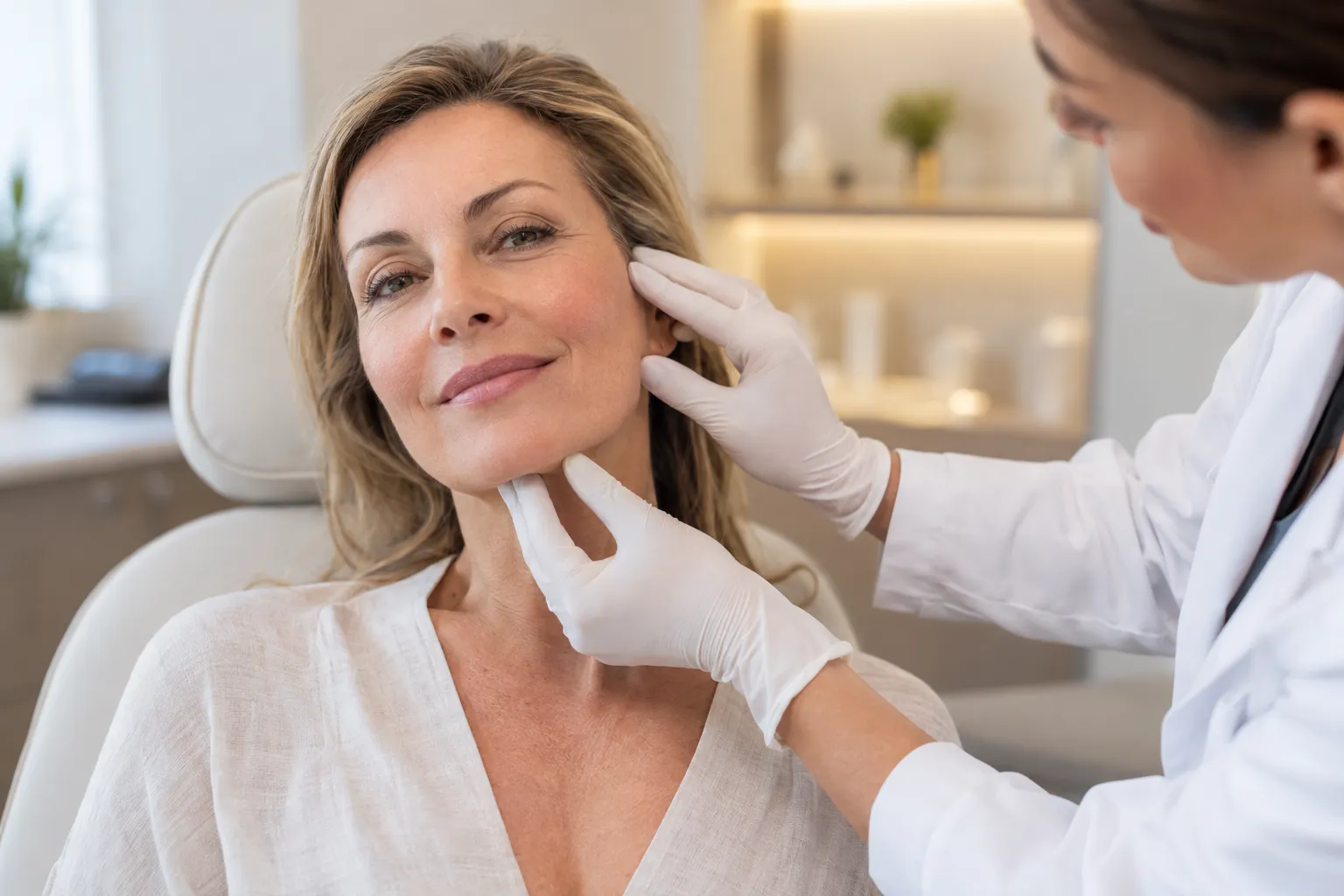
quick mini facelift
A quick mini facelift usually refers to a limited facelift approach, not a standardized operation with a not assured short recovery. The name can obscure differences in the area treated and how deeper facial support is addressed. A consultation helps clarify whether a Mini Facelift aligns with your facial anatomy and goals.
Key Takeaways
- A quick mini facelift describes a limited approach rather than a single standardized operation, so the details can vary from one surgeon to another.
- The name alone does not tell you how much tissue is lifted, which areas are treated, or how deeper facial support is handled during the procedure.
- Recovery time and results depend on your anatomy, the technique used, and how your body heals, so short recovery promises deserve caution.
- This option may suit patients with earlier or more localized signs of aging along the lower face and jawline.
- A consultation with a qualified surgeon is the most reliable way to determine whether a Mini Facelift matches your goals.
Dr. Mark Albert is certified by the American Board of Plastic Surgery. When evaluating facelift options, he considers the pattern of laxity, skin quality, and the degree of change a patient seeks. A Mini Facelift is one option, but the appropriate technique and expected recovery vary by individual.
What Is a Quick Mini Facelift? (And Why the Name Can Be Misleading)
A mini facelift is generally a more limited facelift operation intended to address early signs of aging around the lower face, such as mild jowling. Incisions and the extent of tissue work may differ from those used in a full facelift. “Quick” is not a medical definition: it does not establish how long surgery takes, how extensive the operation is, or when a particular person can resume normal activities.
The Short Answer: What a Mini Facelift Actually Does
Depending on the surgical plan, a Mini Facelift can reposition facial tissues and remove or redrape excess skin in a limited area. The goal is a balanced change that respects facial proportions, not a pulled or unfamiliar appearance. It is not designed to address every concern in the face or neck, and the name alone does not reveal which tissues a surgeon will treat. A patient’s anatomy, skin elasticity, and pattern of laxity guide that discussion.
Why Marketing Terms Like 'Weekend Facelift' and 'QuickLift' Cause Confusion
Terms such as “weekend facelift” and “QuickLift” are marketing language, not consistent descriptions of a single surgical technique. One practice may use a label for a limited operation, while another may describe a different extent of tissue work. The word “weekend” can give an overly simple impression of recovery. Healing involves swelling, bruising, incision care, and activity restrictions, with a timeline that differs from patient to patient. Ask the surgeon to explain the actual plan rather than relying on a name.
Mini Facelift vs. Full Facelift: A Side-by-Side Comparison
The useful distinction is the scope of correction, not which label sounds faster. A more limited operation may suit concerns concentrated in the lower face, while a full facelift may address broader facial and neck laxity. Neither option is automatically appropriate for a particular patient. This comparison is general; the surgical plan depends on an in-person assessment.
| Consideration | Mini Facelift | Full Facelift |
|---|---|---|
| Typical scope | More limited lower-face concerns | Broader facial aging concerns, with scope planned individually |
| Tissue work | May use a more limited approach | May involve more extensive repositioning of facial tissues |
| Incisions and recovery | Plan and healing vary by technique and patient | Plan and healing vary by technique and patient |
| Potential limitation | May not address substantial laxity or broader concerns | Greater scope does not make it suitable for everyone |
Mini Facelift Techniques: Skin-Only vs. SMAS Plication and Why It Matters
Some limited procedures rely primarily on skin redraping; others also adjust the SMAS, a supportive layer beneath the skin. SMAS plication gathers and secures this layer to provide support, rather than relying on skin tension alone. The method and its suitability depend on facial anatomy and the surgeon’s plan. Ask what tissue layers will be addressed, where incisions are expected, and what limitations remain. A technique name by itself cannot predict a natural-looking result.
Who Is a Good Candidate for a Quick Mini Facelift?

Signs a Mini Facelift May Match Your Concerns
A limited facelift may be worth discussing when early jowling or mild looseness in the lower face is the main concern, skin retains reasonable elasticity, and neck laxity is limited. These are general considerations, not a way to determine candidacy at home. A surgeon also considers health history, facial structure, healing factors, and whether the expected change matches the patient’s goals. A quick mini facelift is not defined by a specific age or a fixed set of facial features.
When a Full Facelift or a Different Approach Makes More Sense
More noticeable laxity across the face or neck may exceed what a limited operation is intended to address. A consultation can establish whether a broader facelift plan better fits the areas of concern, or whether surgery is not appropriate. The choice should reflect the desired change, the operation’s scope, and its risks. No technique can stop the natural aging process, and results vary.
A Candidacy Checklist to Bring to Your Consultation
Use your appointment to describe what bothers you and learn what a particular plan can and cannot address. Consider bringing these questions:
- Which facial areas would this operation treat, and which would remain unchanged?
- Would the plan address the SMAS or rely mainly on skin redraping?
- What recovery restrictions and follow-up visits should I expect?
- What risks, limitations, or health factors could affect my plan?
- How will the proposed change preserve my natural facial proportions?
A quick mini facelift may be one option to discuss, but candidacy, technique, anesthesia, recovery, and risks require individualized assessment with a qualified clinician.
Recovery Timeline: What Happens Week by Week
Recovery after a Mini Facelift is often less extensive than after a full facelift, but “quick” does not mean immediate. The American Society of Plastic Surgeons describes a general recovery period of about one to two weeks for a mini facelift and two to four weeks for a full facelift. Individual healing, the surgical plan, and daily responsibilities can shift that timeline. Plan around your surgeon’s instructions rather than a fixed return-to-work date.
Anesthesia Options: Local with Sedation vs. General
Anesthesia depends on the operation, medical history, patient needs, and surgeon’s plan. Some facelift procedures may use local anesthesia with sedation; others may require general anesthesia. These approaches are not interchangeable choices to make without medical guidance. During consultation, ask which method is proposed, who will administer it, what monitoring is used, and what instructions apply before and after surgery. Dr. Mark Albert’s Nanolift™ page describes awake local anesthesia for that specific technique; it should not be taken as a description of anesthesia for every facelift.
The First 48 Hours and Returning to Daily Activities
During the first days, swelling, bruising, tightness, and temporary discomfort may affect routine activities. Arrange for a responsible adult to help after surgery as directed, and keep follow-up appointments so the care team can assess healing. Rest, incision care, and activity restrictions should follow your surgeon’s instructions. Do not drive or resume work until your clinician says it is appropriate, particularly if medication or limited movement could affect alertness or safety.
Weeks 1-6: Bruising, Scars, and Exercise Milestones
Bruising and swelling change over time rather than disappearing at once. Incisions may look noticeable while healing and continue to mature afterward; their placement and appearance depend on the surgical plan and individual healing. Return to exercise should be gradual and cleared by the surgeon. Strenuous activity too soon may interfere with recovery, so ask when walking, lifting, and more vigorous exercise are appropriate for your situation.
How Recovery Compares to a Full Facelift
A more limited operation may involve a shorter general recovery period than a full facelift, but its name cannot predict an individual’s downtime. Extent of tissue work, bruising, healing response, and job or caregiving responsibilities all matter. Use the timeline as a planning range, not a promise.
Cost, Longevity, and Results: What to Realistically Expect
Price, duration of results, and degree of visible change depend on the procedure and the person. A quick mini facelift is not automatically less costly or longer-lasting because its scope may be more limited. Ask for an individualized estimate and discuss what the proposed operation can reasonably address. Results vary, and no facelift stops the natural aging process.
How Much Does a Mini Facelift Cost (and What Drives the Price)?
mini facelift cost These are broad reference figures, not a quote for an individual patient. Location, surgeon and facility fees, anesthesia, the extent of surgery, and follow-up care can affect the total. Ask whether the written estimate itemizes each charge and clarifies which services are included. A lower estimate may not represent the same surgical plan or care setting.
How Long Do Mini Facelift Results Last Compared to a Full Facelift?
The American Society of Plastic Surgeons gives a general range of five to 10 years for mini facelift results and 10 to 15 years for full facelift results. These ranges are not guarantees or a countdown: aging continues, and outcomes vary with anatomy, technique, and individual factors. Scope of correction is one factor in longevity, but a broader operation is not automatically the right choice. Discuss expected changes and limits for the specific plan under consideration.
Natural-Looking Results: Avoiding the Overdone Look
A natural-looking result depends on a plan suited to facial structure and the pattern of laxity, with realistic goals for how much change surgery can provide. At consultation, describe the features you hope to address and ask how the proposed approach may affect facial proportions, skin tension, and visible signs of healing. Clear communication helps align expectations, but cannot guarantee a particular appearance. The goal is an individualized result, not a standardized look.
Risks and Limitations Every Patient Should Understand
Facelift surgery has risks, including bleeding, infection, fluid accumulation, scarring, changes in sensation, delayed healing, asymmetry, and complications related to anesthesia. The likelihood and relevance of risks vary with the patient and operation. A limited facelift may not address more extensive facial or neck laxity, and results may change as aging continues. Ask the surgeon to explain material risks, personal health considerations, and follow-up plans. Candidacy, technique, anesthesia, recovery, and outcomes require individualized clinical assessment.
Choosing a Surgeon and Your Next Steps: FAQ with Dr. Mark Albert's Perspective
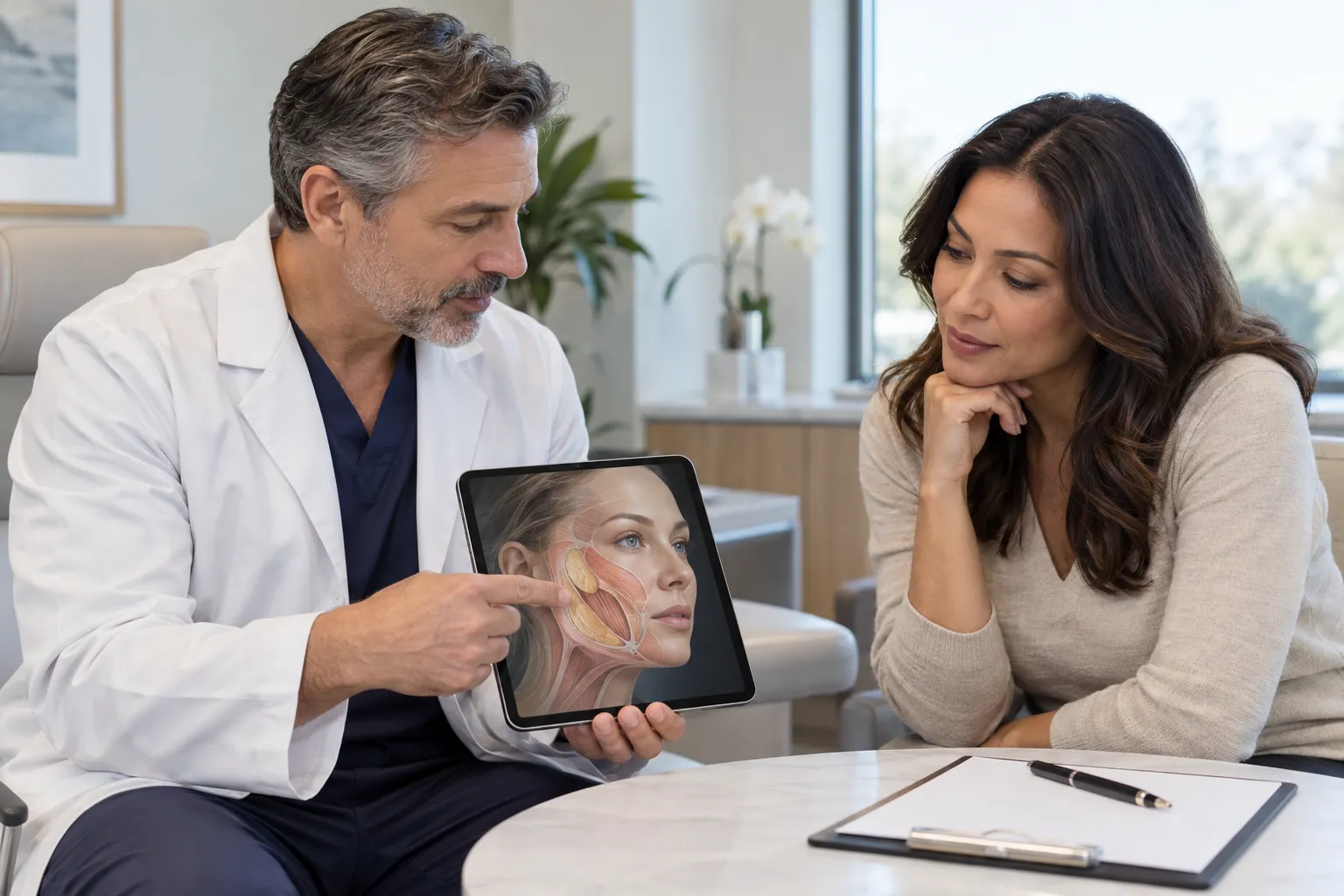
Choosing a surgeon involves more than selecting a procedure name. Ask how the proposed Mini Facelift would address your concerns, which tissues it would treat, and what limitations would remain. Dr. Mark Albert is certified by the American Board of Plastic Surgery and is a Fellow of the American College of Surgeons. Credentials are one part of the decision; clear communication, individualized planning, and a thorough discussion of risks and follow-up also matter.
What Credentials and Questions Matter When Comparing Surgeons?
Confirm that a surgeon is certified by the American Board of Plastic Surgery, and ask about their training and experience with facelift surgery. During consultation, ask who will perform the operation, where it will take place, what anesthesia is planned, and how follow-up care is arranged. Request a clear explanation of the proposed technique, recovery restrictions, material risks, and alternatives, including the option not to proceed. A surgeon should address your questions without promising a particular result or pressing you to decide.
Mini Facelift FAQs
How does a mini facelift differ from a full facelift? It generally involves a more limited surgical scope; the exact plan depends on the areas treated and the patient’s anatomy.
Who may be a candidate? Some adults with concerns concentrated in the lower face may wish to discuss it, but only an individualized clinical assessment can determine suitability.
How long do results last? The American Society of Plastic Surgeons gives a general range of five to 10 years for mini facelift results. Aging continues, and individual outcomes vary.
How long is recovery? The American Society of Plastic Surgeons describes about one to two weeks as a general recovery period. Healing and return to activities vary.
What does it cost? An individual estimate depends on the surgical plan, location, fees, and included care.
When to Talk to a Qualified Plastic Surgeon
Consider an in-person consultation if you are weighing facial surgery, need a clearer explanation of the procedure’s limits, or want to understand how your health history may affect planning. Dr. Mark Albert can discuss whether a Mini Facelift merits consideration and explain factors that shape an individualized plan. A consultation is an opportunity to ask questions and consider options, without an obligation to proceed.
Frequently Asked Questions
How long do the results of a mini facelift last?
A mini facelift does not stop the natural aging process, so results vary by patient over time. Factors such as skin quality, elasticity, and lifestyle influence how long any improvement is visible. During a consultation, a qualified surgeon can explain what a limited facelift may and may not address for your individual anatomy.
How can I lift my saggy face without surgery?
Non-surgical options exist, but this practice focuses exclusively on facelift surgery, including the Mini Facelift. If sagging concerns are significant, an in-person consultation with a qualified clinician is the appropriate way to learn whether surgery or another approach suits your goals and anatomy.
Is 60 too old for a mini facelift?
Age alone does not determine candidacy for a mini facelift. Surgeons evaluate skin elasticity, the pattern of facial laxity, health history, healing factors, and the degree of change a patient seeks. Some patients in their 60s may be appropriate candidates, but this requires individualized assessment with a qualified clinician.
What is the average price of a mini facelift?
Mini facelift cost varies widely depending on the surgical plan, anesthesia, facility, surgeon's experience, and geographic location. Because each operation is individualized, an accurate estimate requires a consultation. A qualified surgeon can outline the full scope of the proposed plan, including associated fees and what the operation will and will not address.
Is a 'quick' or 'weekend' mini facelift really faster to recover from?
'Quick' is a marketing term, not a medical definition, and it does not establish recovery length or how extensive the operation is. The American Society of Plastic Surgeons describes a general recovery of about one to two weeks for a mini facelift, though individual healing varies. Your surgeon's instructions, not a name, should guide your timeline.
What is the difference between a mini facelift and a full facelift?
The main distinction is the scope of correction. A mini facelift addresses more limited lower-face concerns, such as early jowling, while a full facelift may address broader facial and neck laxity. Neither option suits everyone automatically; the appropriate technique depends on an in-person assessment of your anatomy and goals.
What questions should I ask at a mini facelift consultation?
Ask which facial areas the operation would treat, whether the plan addresses the SMAS layer or relies mainly on skin redraping, what recovery restrictions to expect, and what risks or health factors could affect your plan. Dr. Mark Albert, a board-certified plastic surgeon, encourages patients to bring their specific concerns to a consultation.
Leave a Reply