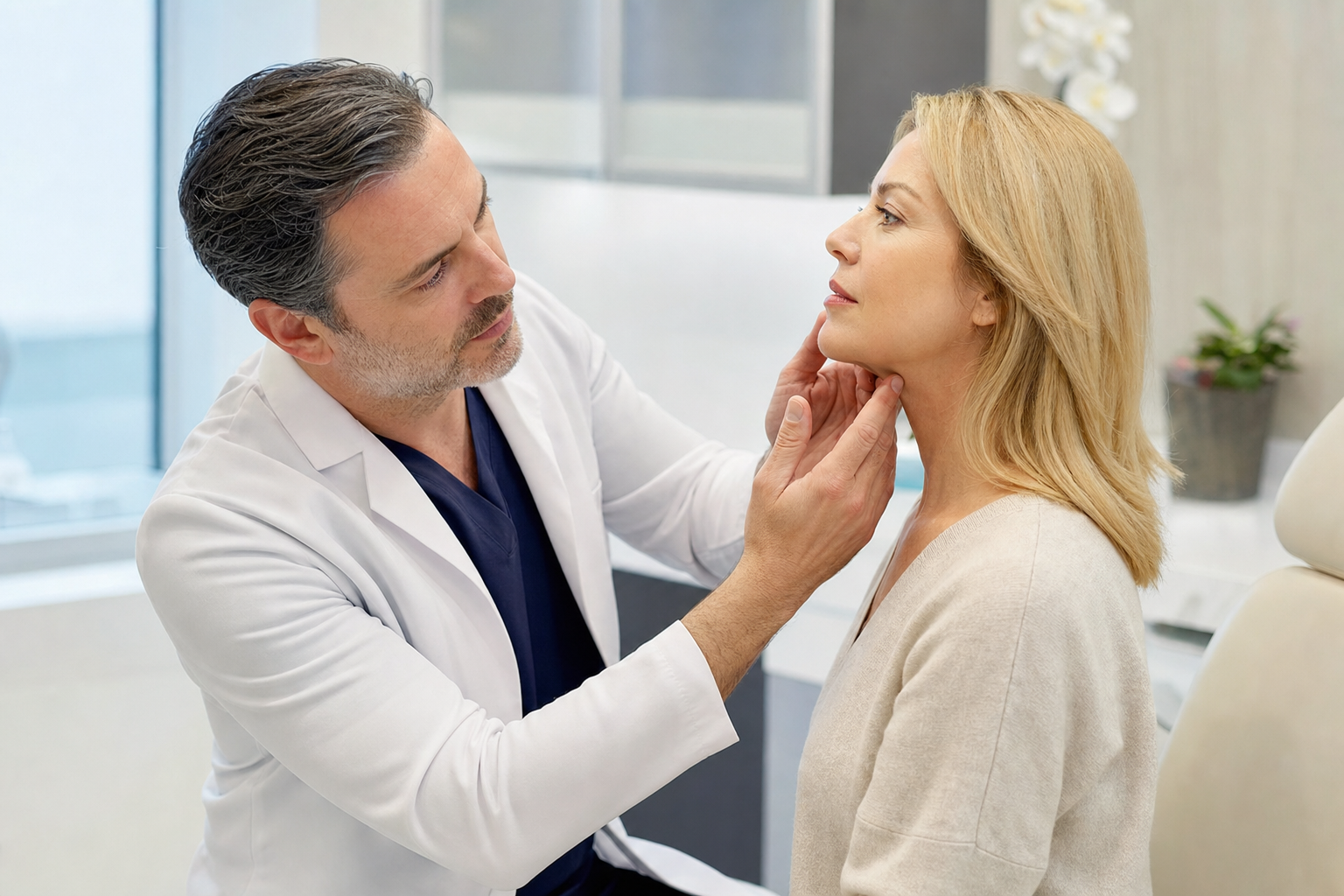
deep plane facelift doctors
Choosing among deep plane facelift doctors requires more than reviewing polished photographs. The key questions involve anatomy, surgical training, candidacy, technique, recovery planning, and whether the surgeon can preserve natural expression. A consultation should explain what a deep plane facelift may address, what it cannot correct, and why another facelift approach may better match your tissues and goals.
Key Takeaways
- Selecting a qualified surgeon demands a thorough evaluation of their anatomical knowledge and specific surgical training.
- Prospective patients must discuss how the chosen technique preserves natural facial movement during the recovery process.
- A comprehensive consultation should clarify the specific limitations of the procedure and determine if alternative methods suit your tissue quality.
What is deep plane facelift doctors?
A deep plane facelift is a form of facelift surgery that releases and repositions deeper facial soft tissues rather than relying primarily on skin tightening. The surgeon works beneath the superficial musculoaponeurotic system, commonly called the SMAS, to address descent in the cheek, lower face, jowls, and selected areas of the neck. The technique is not appropriate for every patient. Skin elasticity, facial structure, medical history, prior surgery, and aesthetic goals all affect the recommended plan.
Compared with a traditional skin-focused lift or a SMAS facelift, a deep plane approach may allow movement of connected soft-tissue layers with less dependence on pulling the skin alone. The objective is a balanced, refreshed appearance rather than a tight, stretched, or windswept result. It may soften cheek descent, improve jowl definition, and reduce some folds created by tissue movement. It does not erase every wrinkle, reverse sun damage, correct poor skin quality, or address every sign of upper-face aging.
Dr. Mark G. Albert, MD, FACS, is certified by the American Board of Plastic Surgery and is a Fellow of the American College of Surgeons. When evaluating deep plane facelift doctors, patients should verify board certification through the relevant certifying organization and ask how the surgeon assesses facial anatomy, skin quality, neck laxity, facial proportions, and healing factors. Candidacy, technique, recovery, risks, and outcomes require individualized clinical assessment.
Benefits of deep plane facelift doctors
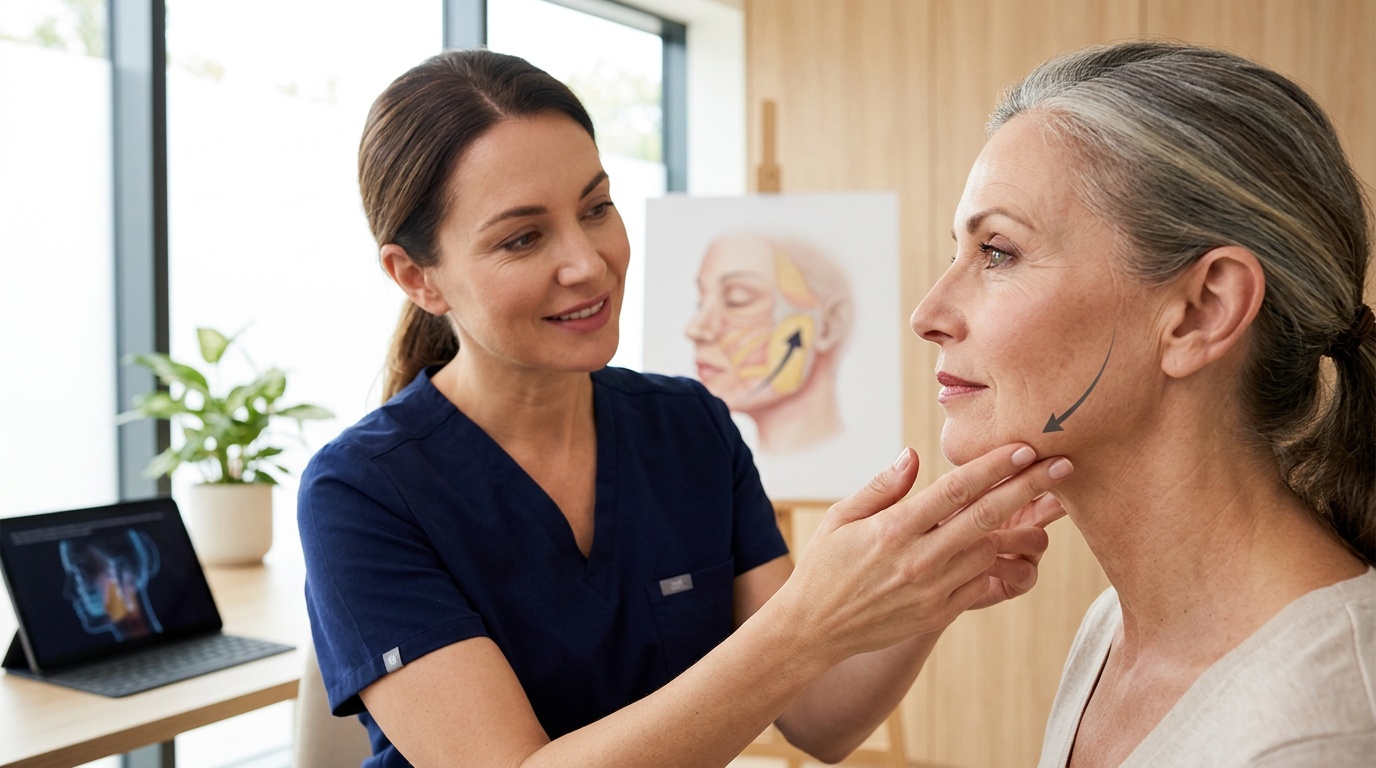
A potential benefit of a deep plane facelift is correction of sagging in more than one connected facial region through repositioning of deeper tissues. Patients with cheek descent, jowls, lower-face laxity, or selected neck skin looseness may seek this approach when they want improvement that follows their existing contours. The goal remains proportionate rejuvenation, with preserved facial movement and identity. A favorable result depends on sound judgment, careful dissection, appropriate tension, and realistic expectations, not on a technique name alone.
Deep plane surgery may also provide a more anatomical approach to facial support than tightening loose skin by itself. This can be relevant when the midface and lower face have descended together. Still, the operation has defined limits. Fine lines, pigment changes, sun exposure effects, thin or damaged skin, and volume-related concerns may remain. A facelift primarily treats laxity and tissue position, so patients should review photographs under consistent lighting and ask which visible concerns the proposed operation will leave unchanged.
Key insight: Natural-looking improvement comes from matching the operation to the patient, not from selecting the most aggressive-sounding technique. A surgeon should explain why a deep plane facelift, a SMAS-based approach, or a Mini Facelift fits the distribution of laxity and the desired degree of change. Mini Facelift is directly within the client-directed facelift scope.
Patients researching deep plane facelift cost should request an individualized estimate that identifies surgeon fees, anesthesia, facility charges, surgical complexity, and postoperative care. Pricing varies by geographic market and by the scope of surgery, so an online figure cannot establish value or suitability. Patients should also discuss bruising, swelling, incision care, activity restrictions, scar maturation, sensation changes, asymmetry, bleeding, infection, nerve injury, wound-healing problems, and the possibility of revision. Early photographs can be misleading because swelling and bruising substantially affect appearance, while the evolving result requires patience.
Searches such as “deep plane facelift before and after,” “deep plane facelift near me,” or “deep plane facelift Beverly Hills” may help patients understand the type of change shown in a surgeon’s gallery, but photographs do not replace examination. Images can differ in lighting, expression, camera angle, age, skin quality, and healing stage. A consultation with a qualified plastic surgeon is needed to determine whether this approach is medically reasonable and aesthetically aligned with the patient’s goals.
How to Choose deep plane facelift doctors
When evaluating deep plane facelift doctors, begin with qualifications that can be independently verified. Dr. Mark G. Albert, MD, FACS, is certified by the American Board of Plastic Surgery and is a Fellow of the American College of Surgeons. Patients should confirm certification through the relevant certifying organization rather than relying on a general statement that a surgeon is “board certified.” Training in plastic surgery, experience with facial anatomy, hospital or accredited-facility privileges, and a clear record of patient follow-up all deserve attention. Online visibility, procedure volume, awards, or social media popularity should not serve as substitutes for appropriate credentials and clinical judgment.
A consultation should be an anatomical assessment, not a sales presentation. The surgeon should examine skin elasticity, cheek descent, jowls, neck laxity, facial proportions, incision locations, prior procedures, medical history, and factors that may affect healing. Ask why a deep plane approach is being recommended and whether a different facelift plan could provide a more suitable balance of correction and risk. A thoughtful surgeon will identify limitations, including concerns that a facelift may not correct, such as sun damage, fine surface wrinkles, uneven pigmentation, poor skin quality, or aging in the upper face. Candidacy, technique, recovery, risks, and outcomes require individualized clinical assessment.
Review before-and-after photographs critically. Look for patients with comparable age, skin quality, facial structure, hairline, and degree of laxity. Images should show consistent views, neutral expressions, and a stated healing stage rather than only carefully selected early or heavily edited photographs. Ask whether the examples represent deep plane surgery, another facelift technique, or a combination of approaches. A natural result should retain recognizable features, balanced contours, and ordinary facial movement. No photograph can predict an individual outcome, and an apparently rapid recovery should not establish an expectation for your own bruising, swelling, incision healing, or return to work.
Request a written estimate for the full deep plane facelift cost, with surgeon fees, anesthesia, facility charges, medical supplies, postoperative visits, and potential additional care identified separately. Geographic location, operating-room resources, surgical complexity, and the surgeon’s expertise can all affect pricing, so a national average offers limited guidance. Before scheduling, discuss anesthesia evaluation, medication instructions, smoking or nicotine exposure, transportation, home support, activity restrictions, scar care, temporary numbness, asymmetry, bleeding, infection, wound-healing problems, nerve injury, and revision surgery. Patients seeking a Mini Facelift should receive the same level of individualized explanation, since Mini Facelift is directly within the client-directed facelift scope.
Finally, assess continuity of care. Ask who will answer questions after surgery, how swelling or unexpected symptoms are evaluated, and which follow-up appointments are included. A surgeon should explain the expected recovery process without presenting a fixed “day by day” schedule as universal. Healing varies with tissue characteristics, medical conditions, procedure scope, and individual response. The Mini Facelift may be appropriate for selected patterns of early or localized laxity, while a broader operation may be considered for more extensive descent. The appropriate choice depends on examination, goals, and risk assessment, not on search results such as “deep plane facelift near me” or geographic labels such as Beverly Hills.
Frequently Asked Questions
What is a deep plane facelift?
A deep plane facelift repositions connected facial soft tissues beneath the SMAS layer instead of depending mainly on skin tension. It may address descent in the cheeks, jowls, lower face, and selected areas of the neck. The technique requires careful evaluation because facial anatomy, skin elasticity, prior surgery, medical history, and aesthetic goals differ from one patient to another.
How does a deep plane facelift differ from a traditional or SMAS facelift?
A traditional skin-focused lift primarily removes and tightens excess skin. A SMAS facelift addresses the deeper supporting layer, while a deep plane approach releases and repositions certain connected tissues beneath it. These are technical distinctions, not guarantees of a better result. A qualified surgeon should recommend an approach based on the distribution of laxity, tissue quality, facial proportions, and the degree of correction sought.
Who may be considered for this surgery?
Adults with visible cheek descent, jowls, lower-face laxity, or selected neck looseness may be evaluated for this operation. Candidacy cannot be determined from photographs or age alone. A consultation should include medical history, medication review, skin and soft-tissue assessment, expectations, and discussion of healing factors. A Mini Facelift may suit selected patients with more localized laxity, but the appropriate choice requires an examination.
What will a deep plane facelift not correct?
Facelift surgery primarily treats sagging and tissue position. It does not remove every fine line, reverse sun damage, correct uneven pigmentation, or improve all changes in skin texture. Upper-face aging and concerns unrelated to laxity may remain. Reviewing these limits before surgery can help prevent unrealistic expectations and support a more informed treatment decision.
What should I expect during recovery?
Swelling, bruising, tightness, temporary numbness, and changes in facial sensation can occur after surgery. Recovery does not follow a universal day-by-day schedule, and early appearance may differ substantially from the developing result. Follow-up visits, incision care, activity guidance, and instructions for contacting the surgical team are part of safe postoperative planning. Mini Facelift also requires individualized recovery guidance, even when the surgical scope is more limited.
What are the risks?
Potential risks include bleeding, infection, asymmetry, wound-healing problems, visible or changing scars, prolonged swelling, sensory changes, nerve injury, anesthesia-related complications, and the possible need for revision. Individual risk depends on health, anatomy, procedure scope, anesthesia, facility, and surgical planning. Dr. Mark G. Albert, MD, FACS, can provide patient-specific information during an in-person consultation. Candidacy, technique, recovery, risks, and outcomes require individualized clinical assessment.
Leave a Reply