deep plane facelift recovery NYC
For patients researching deep plane facelift recovery NYC, the practical questions are usually straightforward: how long swelling lasts, when work and social activities can resume, how discomfort is managed, and which changes require prompt medical attention. Recovery varies with the surgical plan, tissue response, general health, and the details of each operation. A consultation with a qualified plastic surgeon is necessary to discuss individual candidacy, anesthesia, incision placement, aftercare, and expected downtime.
Key Takeaways
- A dedicated emergency fund can help separate emergency savings from everyday spending.
- Start with a realistic first milestone, then build toward several months of essential expenses over time.
- Keep the money accessible, review it regularly, and avoid using it for planned purchases.
The recovery and risk information below is general educational information and must be confirmed through an individualized assessment and instructions from the operating surgeon.
Facelift surgery is planned to restore a more supported, natural facial appearance without forcing the skin into a tight or pulled position. Albert Plastic Surgery maintains a dedicated service page for Facelift. The live page presents facelift surgery in New York City with Dr. Albert. Candidacy, technique, recovery, risks, and outcomes require individualized clinical assessment.
What is deep plane facelift recovery NYC?
Deep plane facelift recovery is the healing period after a facelift procedure. Bruising, swelling, tightness, numbness, and temporary changes in facial movement can occur during early healing. The timing of visible changes varies among patients, and visible refinement can continue beyond the early healing period.
Time away from work varies after deep plane surgery and should be determined with the operating surgeon. A person with a public-facing role, frequent meetings, physically demanding work, or limited flexibility may choose more time away. Manhattan transportation, elevator use, childcare, privacy at home, and the ability to attend follow-up visits can all affect planning. Discomfort is often described as pressure, soreness, or tightness, though no surgeon can predict one patient’s pain experience.
Recovery requires careful observation for bleeding, infection, fluid collection, worsening pain, skin-healing problems, or nerve-related changes. Temporary numbness and weakness may occur, while persistent or serious complications can occur and are medically significant. Instructions regarding activity, incision care, sleeping position, and prescribed medication must come from the operating surgeon. This educational information cannot determine whether a deep plane facelift is appropriate for you.
Benefits of deep plane facelift recovery NYC

The potential benefit of the deep plane approach is that it addresses deeper facial support structures, including the superficial musculoaponeurotic system and platysma, rather than placing the entire lifting burden on the skin. Any effect on facial contour or expression is patient-specific and should be discussed as a clinical opinion with the operating surgeon. The specific approach, potential benefits, and risks require individualized clinical assessment. This does not mean that every patient needs the same technique or experiences an easier recovery.
Patients often value a recovery plan that explains what is normal at each stage. Early swelling can obscure the contour, and asymmetry may appear while tissues settle. Cooling measures, head elevation, gentle movement, incision protection, and scheduled follow-up may form part of an individualized aftercare plan, but patients should use only instructions supplied by their surgeon. Returning to exercise, work, driving, and social events should be based on clinical clearance rather than a calendar alone. A well-planned recovery also includes realistic expectations about scars, residual laxity, skin quality, aging, and the limits of surgery.
Key insight: The quality of recovery depends on more than the label “deep plane.” Surgical judgment, anatomical planning, dissection, hemostasis, anesthesia care, postoperative monitoring, and communication all matter. During a consultation for deep plane facelift recovery NYC, ask how the surgeon handles swelling, pain control, activity restrictions, urgent concerns, and follow-up after returning home. Discuss the surgeon’s qualifications and training directly during consultation.
A natural result should not be judged during the first several days, when edema and bruising are most apparent. The objective is proportionate rejuvenation, not a standardized facial shape or loss of expression. Deep plane facelift recovery NYC planning should account for the patient’s anatomy, health history, home support, work obligations, and tolerance for visible healing. A qualified surgeon can explain whether a Deep Plane Facelift, Nanolift™, Mini Facelift, or another facelift plan is medically appropriate after an in-person assessment. Albert Plastic Surgery maintains dedicated live service pages for Deep Plane Facelift, Nanolift™, and Mini Facelift. These procedures are directly within the client-directed facelift scope, and candidacy, technique, recovery, risks, and outcomes require individualized clinical assessment.
How to Choose deep plane facelift recovery NYC
Choosing care for deep plane facelift recovery NYC begins with choosing the surgeon and surgical setting, not with a promised recovery timeline. Discuss the surgeon’s certification, professional affiliations, plastic surgery training, and experience with facelift anatomy during consultation.
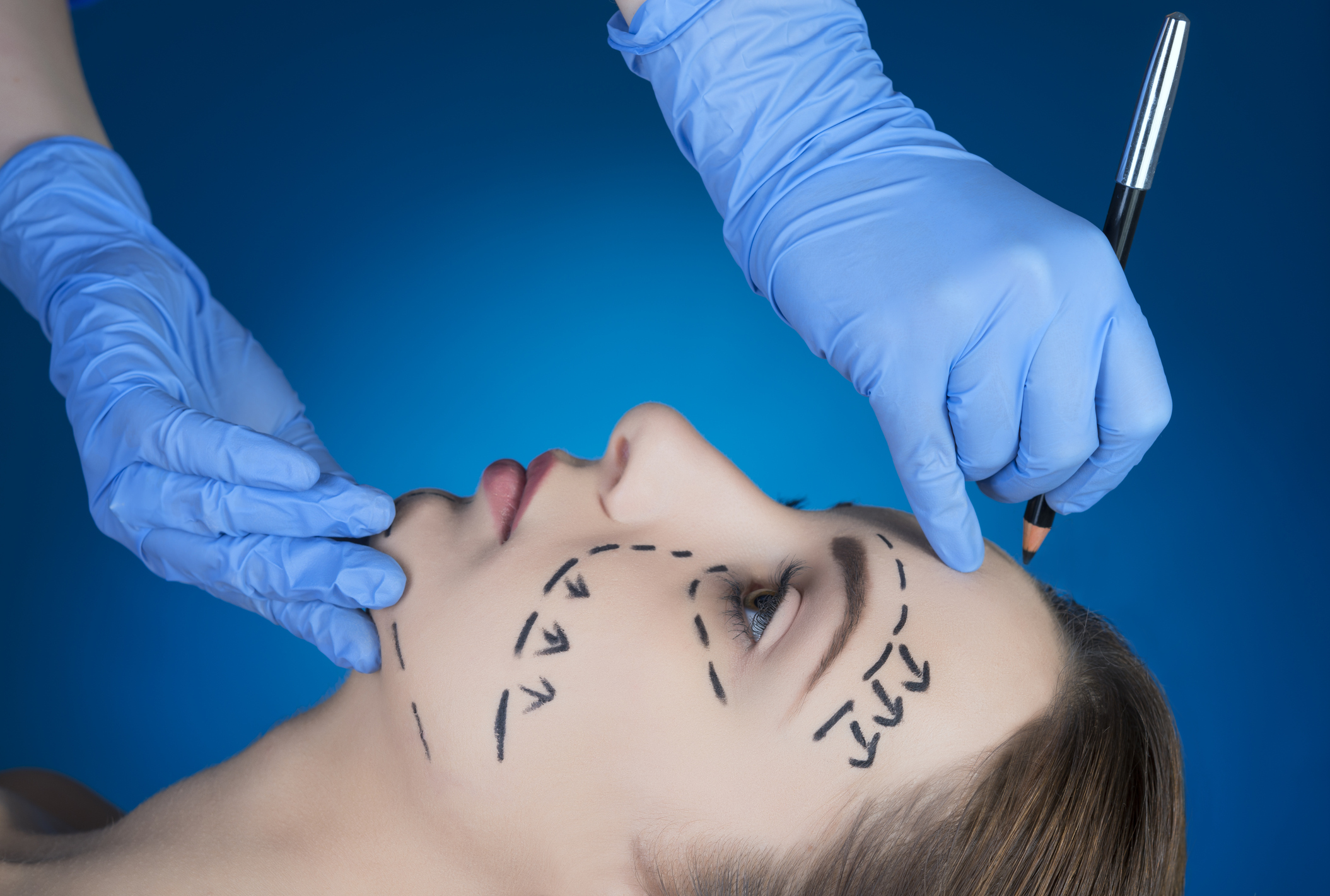
Ask how the surgeon determines whether a Deep Plane Facelift is appropriate for your facial structure, skin quality, soft-tissue descent, jawline, neck, and goals. The term “deep plane” does not describe one identical operation in every patient. The extent of ligament release, tissue repositioning, platysma management, incision design, and skin removal should be based on anatomy rather than a fixed formula. A surgeon should also explain when a Nanolift™, Mini Facelift, or another Facelift plan may better match the degree of laxity and the recovery time you can reasonably accommodate.
What should you ask about recovery before surgery?
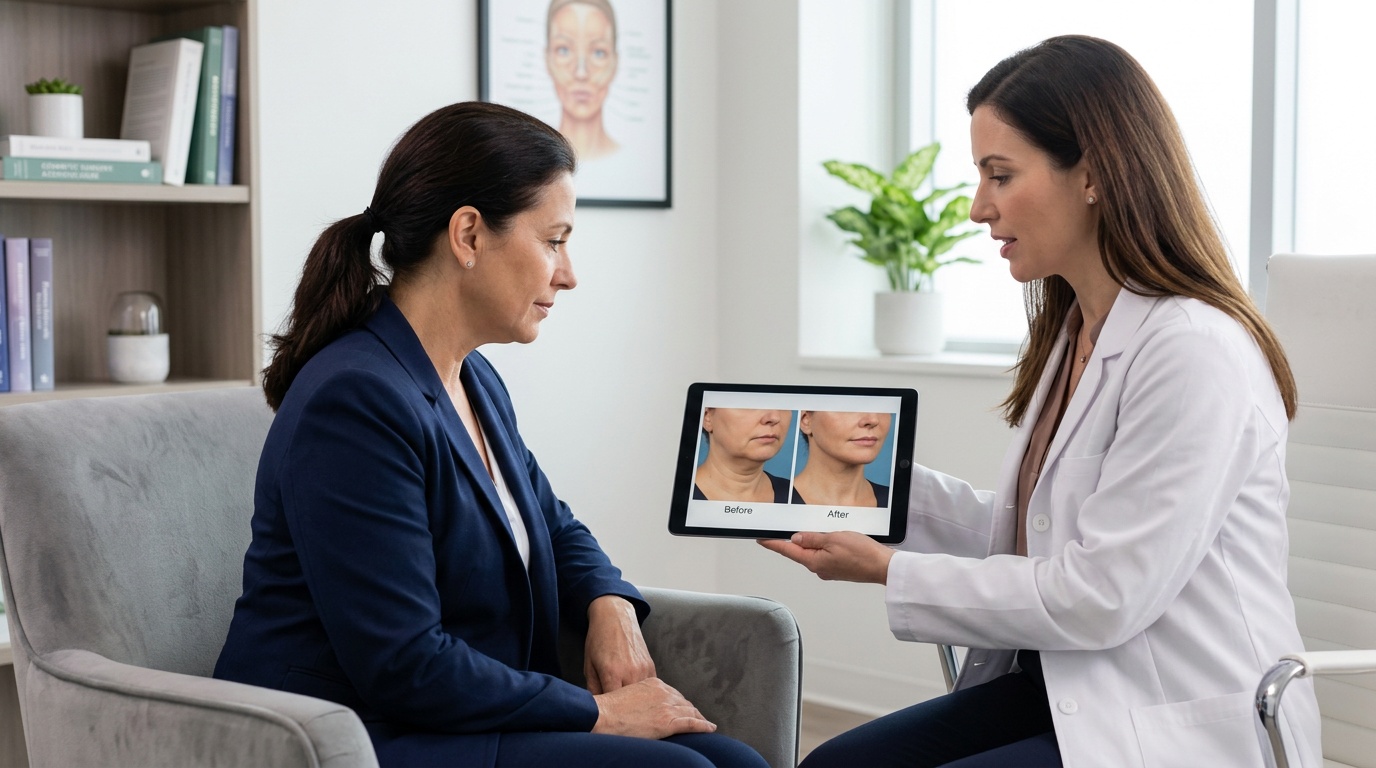
A useful consultation addresses practical details in advance. Ask when postoperative visits occur, who answers urgent questions after hours, which symptoms require immediate contact, and how follow-up is coordinated if you live outside Manhattan. Discuss swelling, bruising, numbness, tightness, sleep position, bathing, driving, exercise, work, air travel, and social events. Patients with customer-facing jobs, frequent video calls, or demanding professional schedules may need more privacy and flexibility than a standard calendar estimate suggests.
Ask how discomfort is expected to feel and how it will be managed under the surgeon’s instructions. Pain, pressure, altered sensation, temporary facial weakness, bleeding, infection, fluid collection, skin-healing problems, visible scars, and persistent nerve changes are material risks that deserve a clear explanation. A surgeon should describe warning signs without minimizing them and should explain the limits of surgery, including residual laxity, asymmetry, ongoing aging, and the possibility that healing may take longer than expected. No consultation can guarantee a painless operation, an exact return-to-work date, or a particular aesthetic result.
Review the aftercare plan before scheduling. Recovery planning should include arranging a responsible adult initially, transportation, prescriptions and supplies as directed, and a home environment that allows rest without strenuous activity. Do not attempt to speed healing through unapproved medications, supplements, massage, or exercise. Follow only the operating surgeon’s instructions, attend scheduled examinations, and report increasing pain, sudden swelling, fever, drainage, breathing difficulty, or new facial weakness promptly. For patients evaluating deep plane facelift recovery NYC, patients should choose a surgeon who explains both the potential benefits and the boundaries of the operation with precision.
Frequently Asked Questions
How long does recovery take after a deep plane facelift?
Early healing commonly includes swelling, bruising, tightness, and numbness. The timing of visible changes varies among patients, and refinement may continue as healing progresses. The pace depends on the surgical plan, tissue response, general health, and postoperative findings. Your surgeon should provide individualized instructions and examine your progress before clearing activities.
When can I return to work?
The time away from work varies after deep plane surgery. A longer interval may be appropriate for physically demanding employment, public-facing responsibilities, frequent meetings, or substantial residual bruising. Remote work may still require limits on screen time, concentration, and social interaction during the first stage of healing.
Is recovery more painful than recovery after a traditional facelift?
Pain and discomfort vary among patients. Pressure, soreness, tightness, and altered sensation are possible, and the extent of the procedure may influence the healing experience. No article can predict your pain level or determine which technique will feel easier. During consultation, ask how discomfort is monitored, which medications may be used under medical direction, and which symptoms require prompt evaluation.
What preparation and instructions should patients discuss for recovery?
Arrange transportation, help at home, scheduled follow-up, and enough time away from work and strenuous activity. Protect incisions, sleep as directed, and follow the operating surgeon’s instructions regarding bathing, exercise, driving, and prescribed medication. Do not add supplements, massage, or other measures without approval. Increasing pain, sudden swelling, fever, drainage, breathing difficulty, or new facial weakness requires prompt contact with the surgical team or emergency medical care when appropriate.
Can nerve changes be permanent?
Temporary numbness or weakness can occur during healing. Persistent nerve changes, bleeding, infection, fluid collection, skin-healing problems, visible scars, and asymmetry are material risks that should be reviewed before surgery. A consultation with a qualified plastic surgeon is necessary to discuss your anatomy, candidacy, risks, recovery expectations, and the appropriate Facelift plan.