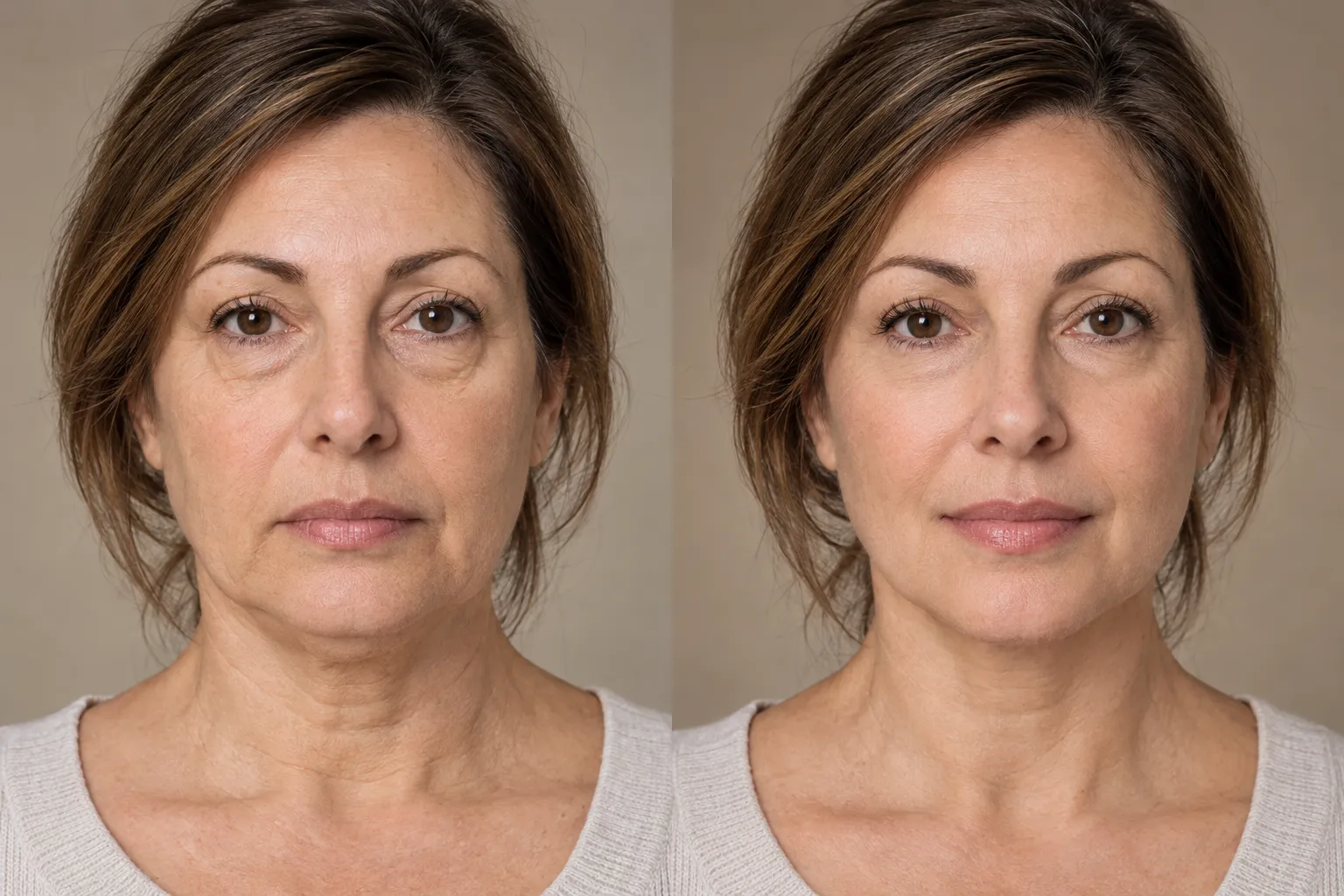
accutite before and after
Before-and-after photographs can help you understand the kinds of facial changes a facelift may address, but they cannot predict your own result. Dr. Mark Albert is certified by the American Board of Plastic Surgery and is a Fellow of the American College of Surgeons. His training includes plastic surgery residency and chief residency at the University of Massachusetts Medical School, followed by an aesthetic plastic surgery fellowship at Manhattan Eye, Ear, and Throat Hospital.
Key Takeaways
- Before-and-after photographs show the general range of facial improvement other patients experienced, but they are not a prediction of what any individual will achieve.
- Your anatomy, skin quality, age, and healing response all influence the outcome, which is why a personal consultation is essential for realistic planning.
- When reviewing photos, look for consistency across many patients rather than a single dramatic example, since results vary widely from person to person.
- Checking a surgeon's board certification, fellowship training, and hospital affiliations helps you evaluate the qualifications behind the images you are viewing.
- Photos of the jowls, eyes, and neck can illustrate the types of changes facelift surgery may address, yet they cannot replace an in-person assessment of your own features.
When reviewing facelift photos, look for consistent lighting, angles, facial expression, and time since surgery. Then consider what changed in the cheeks, jawline, and neck, and whether those changes align with your goals. Individual anatomy, surgical planning, healing, and risk vary, so photographs are a starting point for discussion, not a guarantee or a substitute for an in-person consultation.
What Facelift Before-and-After Photos Can Show
A facelift is designed to address age-related changes in the lower face and neck. Depending on the technique and the individual plan, photographs may show a smoother jawline, less visible jowling, or a more defined transition between the chin and neck. The degree of change varies, and a photo cannot show how the result feels, what the recovery involved, or whether the person’s surgical plan would suit someone else.
Assess a gallery as a set rather than selecting the most dramatic image. Check whether the patient’s head position, camera distance, expression, and lighting appear similar in each image. Ask when the photographs were taken and whether the patient had one of the facelift approaches described in the practice’s facelift information. These details give the images useful context.
How to Read Photos Critically
- Compare the same facial angles, including a profile view when available.
- Look for similar lighting and expression, since both can change how contours appear.
- Ask how long after surgery each image was taken.
- Confirm which facelift technique was used and what areas it was intended to address.
- Consider whether the example reflects concerns similar to yours, while remembering that your anatomy is unique.
How Facelift Choices Relate to Facial Anatomy
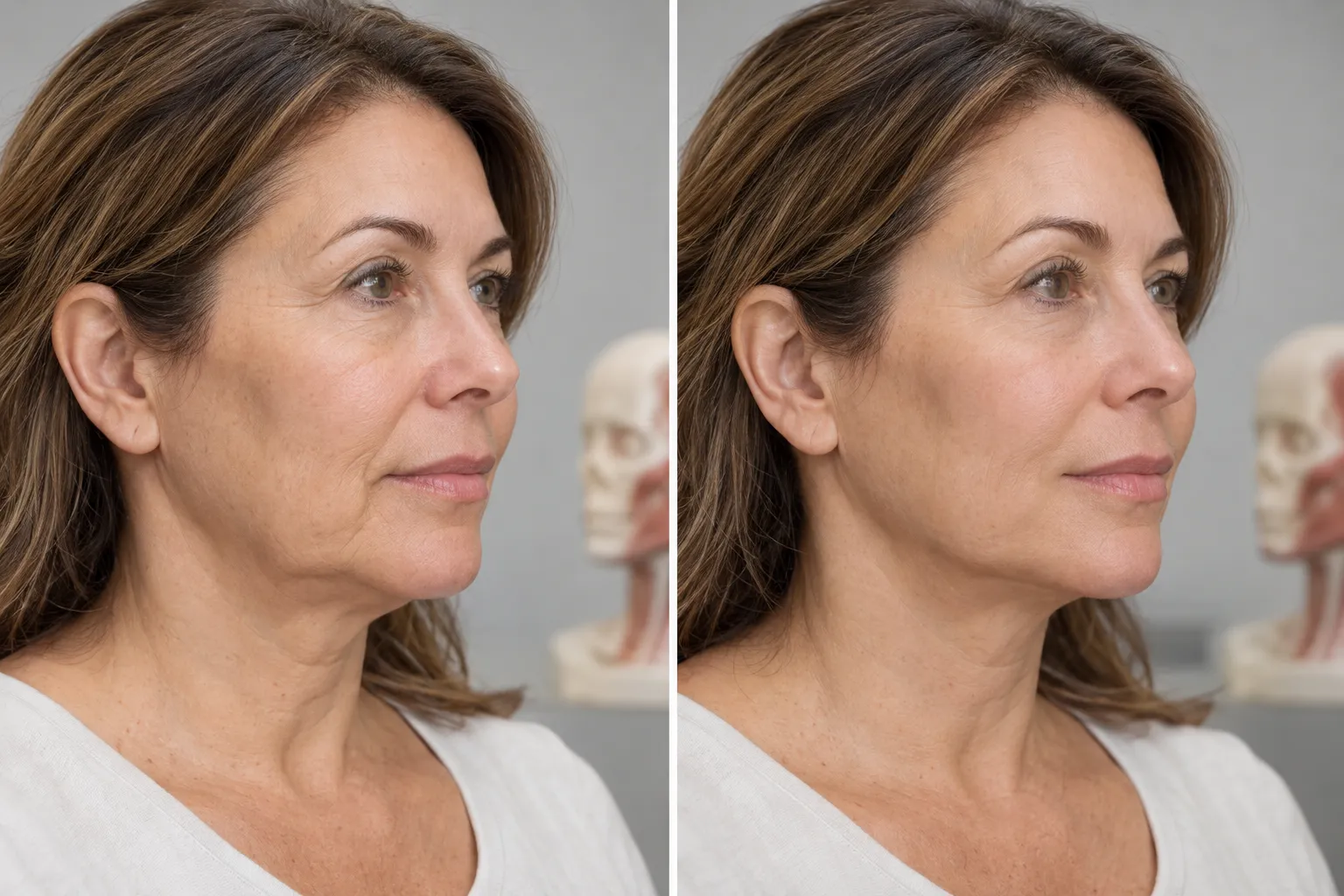
Facelift planning depends on the location and degree of skin laxity, changes in the underlying tissues, and the person’s overall health and goals. A mini facelift, Nanolift™, and deep plane facelift differ in technique and intended scope. No single approach is appropriate for everyone. Dr. Albert’s mini facelift, Nanolift™, and deep plane facelift pages describe these options in more detail.
During a consultation, a qualified clinician can assess facial anatomy, discuss the limits and risks of each approach, and explain the expected recovery. Ask what changes a proposed technique is intended to address, what it may not change, and how follow-up care is arranged. A tailored recommendation requires an examination and a conversation about your health history and priorities.
Questions to Discuss at a Consultation
- Which visible changes are most likely to respond to the proposed facelift approach?
- What limitations should I understand before deciding?
- What risks, recovery needs, and follow-up appointments may apply to me?
- How does your training and experience relate to the facelift technique being discussed?
Recovery Timeline, Realistic Results and What Patients Say: The Good, the Mixed and the Regrets
Recovery after AccuTite varies, and early swelling can make it difficult to judge the final contour. When reviewing accutite before and after photographs, distinguish a temporary healing phase from a settled result. The timeline below is a general guide, not a prediction: the treatment area, individual healing, and the clinician’s instructions all matter.
Week-by-Week Recovery: Swelling, Bruising, Numbness and Lumps
Swelling, bruising, tenderness, numbness, and uneven-feeling areas may occur during recovery. These effects do not follow an identical schedule for everyone. Contact the treating clinician about symptoms that concern you, worsen, or do not follow the aftercare guidance you received.
| Time after treatment | What to keep in mind |
|---|---|
| First days | Swelling, bruising, and tenderness can affect appearance and comfort. |
| Following weeks | Bruising may fade while swelling, numbness, or firmness remains. |
| Several months | Contour may continue to settle; compare images taken under similar conditions. |
| Six to twelve months | Some documented results are assessed later in healing, including a lower-lid case shown at ten months by Dr. Laura Phan. |
When You Can Return to Work and Social Events
There is no single return-to-work date that applies to every patient. The amount of visible bruising or swelling, the treatment area, job demands, and personal comfort all affect planning. Ask the treating clinician for guidance based on the specific plan, and avoid scheduling an important event close to treatment when a temporary change in appearance would cause stress. A photograph or review cannot establish when another person will feel ready to resume normal activities.
What Positive and Negative Reviews Reveal
Online accounts can show the range of patient experiences, but they are self-selected and do not establish typical outcomes. A RealSelf snapshot listed 32 AccuTite reviews; its displayed ratings included nine “Worth It,” two “Not Sure,” and two “Not Worth It.” These figures are a limited snapshot, not a success rate. Positive accounts may reflect satisfaction with subtle change or recovery expectations that matched the experience. Mixed or disappointed reviews can point to a gap between hoped-for improvement and what the treatment could address.
AccuTite Cost: Typical Ranges and Why Quotes Vary Widely
There is no dependable typical price range in the available research. The reported accutite price depends on the area treated, clinician’s fee, facility and anesthesia arrangements, and whether the quote includes follow-up or other treatments. Request an itemized written quote and ask what services it covers before comparing costs.
Facelift Surgery: Risks, Causes of Poor Outcomes, and How to Choose a Surgeon
Facelift surgery can improve selected signs of facial aging, but it involves incisions, healing, and risks that vary by patient and surgical plan. A disappointing result may reflect healing differences, an issue with facial balance, expectations that did not match what surgery could address, or a complication. Before deciding, ask the surgeon to explain both the intended changes and the limits of the proposed approach. General information cannot determine an individual’s risk or candidacy; those questions require a consultation and review of your health history.
Common Complications: Bleeding, Infection, Nerve Changes, and Scarring
Potential complications include bleeding or a collection of blood beneath the skin, infection, delayed healing, visible or widened scars, changes in sensation, and temporary or lasting weakness involving facial movement. Swelling and bruising are part of recovery, but severe, worsening, or unexpected symptoms need prompt medical attention. Ask which warning signs require an urgent call and how to reach the care team after surgery. If symptoms seem life-threatening, seek emergency care.
Why Poor Outcomes Happen: Planning, Technique, and Individual Healing
Results depend on facial anatomy, skin quality, the degree and location of tissue changes, surgical planning, and healing. A technique that does not match the patient’s concerns may leave some changes unaddressed, while excessive tension or an unsuitable plan can affect appearance and recovery. Surgeon credentials matter, but they do not remove risk or guarantee a particular result. Ask how the proposed approach relates to your anatomy, what it is not expected to change, and how follow-up care is managed.
Questions for Vetting a Facelift Surgeon
- Is the surgeon certified by the American Board of Plastic Surgery?
- What training and experience does the surgeon have in facelift surgery?
- Can the surgeon explain the proposed technique, its limitations, and its risks in terms you understand?
- Who will provide follow-up care, and whom should you contact with a concern?
- Are photographs presented with consistent angles and clear information about timing and technique?
Is Facelift Surgery Right for You?
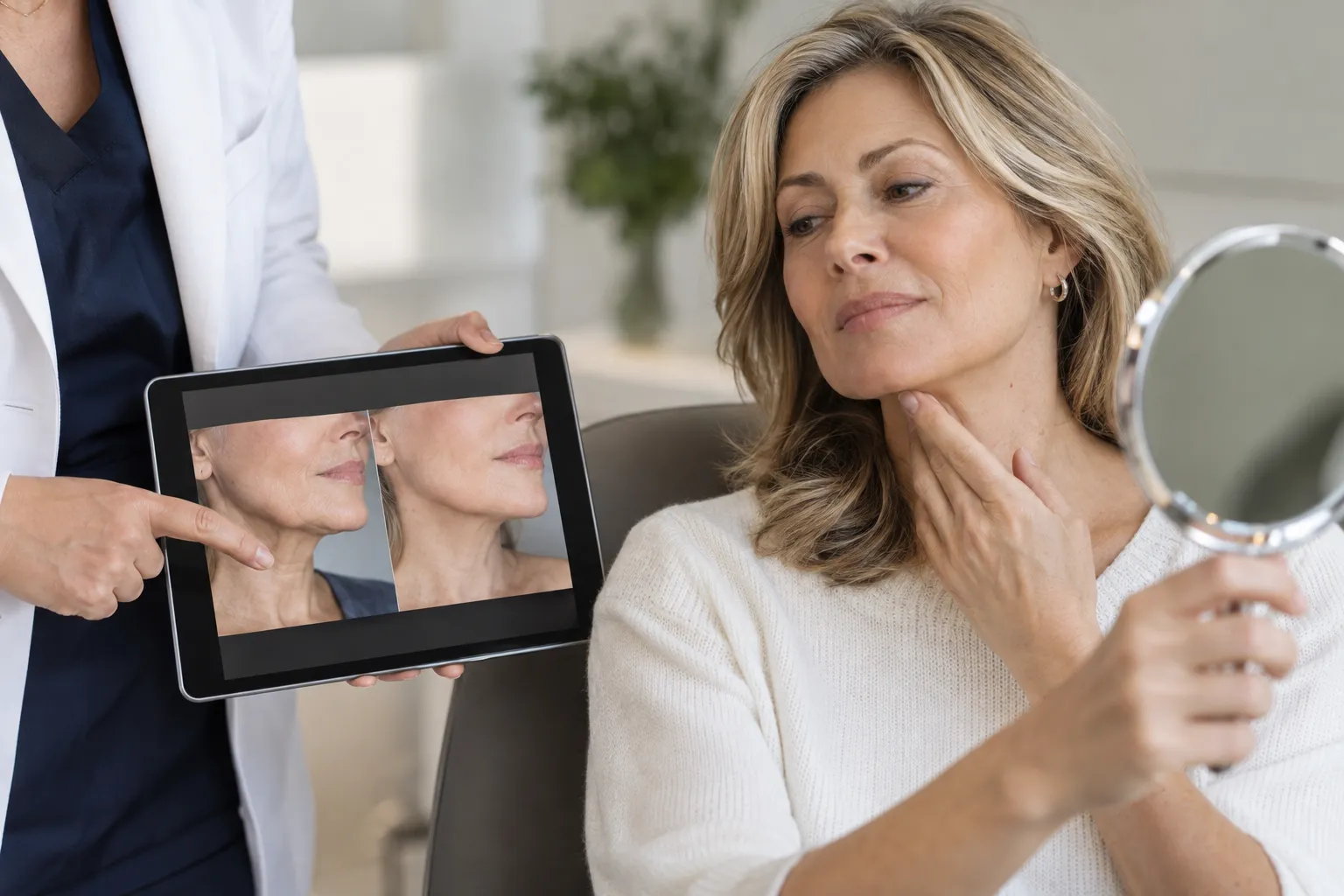
A facelift may be worth discussing when visible changes in the lower face or neck align with your goals and you understand the recovery, risks, and limits. It is not appropriate for everyone, and no photograph, online account, or general guide can establish candidacy. A qualified clinician needs to assess your facial anatomy, health, priorities, and expectations in person before discussing a specific plan.
A Decision Framework by Facial Changes and Goals
Start by identifying the changes that matter most to you. Consider whether they involve the jawline, lower face, or neck, and how much change you hope to see. Ask whether the recommended facelift approach addresses those areas and what features may remain. If your goals require a degree of change that the proposed technique is not intended to provide, ask the surgeon to explain the limits rather than relying on a promise of a particular result.
Questions to Ask at Your Consultation
- What changes could this facelift approach reasonably address in my case?
- What limitations, risks, and recovery needs should I weigh?
- How does my health history affect the surgical plan and healing?
- What follow-up care will be available, and how are concerns handled?
When to Consider a Facelift Consultation with Dr. Mark Albert
Dr. Mark Albert is certified by the American Board of Plastic Surgery and is a Fellow of the American College of Surgeons. His training includes plastic surgery residency and chief residency at the University of Massachusetts Medical School, followed by an aesthetic plastic surgery fellowship at Manhattan Eye, Ear, and Throat Hospital. If you are considering facelift surgery, you can request a consultation with Dr. Mark Albert to discuss your concerns, possible approaches, and individual risks. A consultation is an opportunity to ask questions, not a commitment to surgery.
Frequently Asked Questions
What should I look for in AccuTite before and after photos?
Before-and-after photographs document one moment in time and cannot predict your own result. Compare the same angles, lighting, expression, and time since treatment, and remember that candidacy, healing, and outcomes vary and require an in-person consultation with a qualified clinician.
Can before and after photos predict my results?
No, photographs cannot establish candidacy, predict healing, or guarantee any particular outcome. They are a starting point for a discussion with a qualified surgeon about what changed in another patient's cheeks, jawline, or neck and whether those changes align with your goals and anatomy.
How long does recovery take after a facial contouring treatment?
Recovery varies by patient, treatment area, and individual healing, so no single timeline applies to everyone. Swelling, bruising, tenderness, numbness, and firmness are common early on, and contour may continue to settle over several months. Follow your treating clinician's aftercare guidance and report concerning symptoms.
When can I return to work after a facial procedure?
There is no single return-to-work date that applies to every patient, because visible bruising, swelling, treatment area, and job demands all affect planning. Ask your treating clinician for individualized guidance, and avoid scheduling important events close to treatment.
Is AccuTite worth it according to patient reviews?
Online reviews show a range of patient experiences, but they are self-selected and do not establish typical outcomes or value for you. A limited snapshot of ratings cannot replace an examination and honest conversation with a qualified clinician about your anatomy, goals, and the limits of any approach.
How do I know which facial procedure is right for me?
A tailored recommendation requires an in-person examination, a review of your health history, and a discussion of your priorities. Dr. Mark Albert, a board-certified plastic surgeon at Albert Plastic Surgery, offers individualized facelift planning, including Mini Facelift, Nanolift™, and Deep Plane Facelift options.
What questions should I ask at a facial surgery consultation?
Ask which visible changes the proposed approach is intended to address, what its limitations are, and which risks, recovery needs, and follow-up appointments may apply to you. It is also reasonable to ask how a surgeon's training and experience relate to the technique being discussed.
Leave a Reply