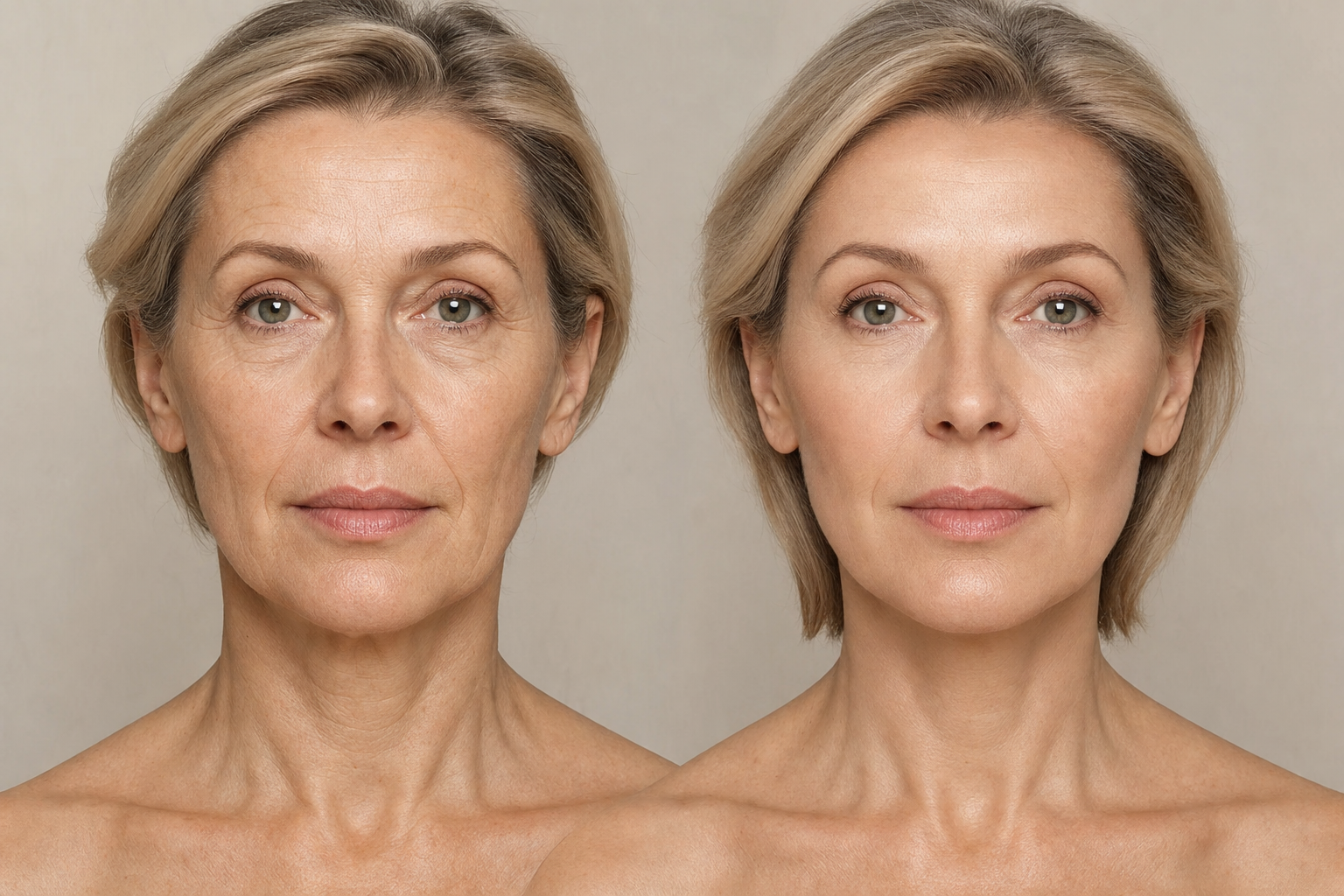
before and after pictures of mini facelift
Before and after pictures of mini facelift procedures can help you understand possible changes in the lower face and neck, but they cannot predict your result. Compare photographs taken under similar conditions, with the procedure and follow-up interval identified. A consultation with a qualified facelift surgeon is needed to assess your anatomy, goals, and appropriate surgical plan.
Key Takeaways
- Before and after pictures of mini facelift procedures can help you understand possible changes in the lower face and neck, but they cannot predict your result.
- Compare photographs taken under similar conditions, with the procedure and follow-up interval identified.
- A consultation with a qualified facelift surgeon is needed to assess your anatomy, goals, and appropriate surgical plan.
Before and After Mini Facelift Photos: What Realistic Results Look Like
What Is a Mini Facelift, and What Areas Does It Address?
A mini facelift may be discussed for selected lower-face, jawline, or upper-neck concerns; the appropriate plan requires individualized clinical assessment. Your surgeon can explain which techniques and incision locations may be appropriate for your anatomy. The technique depends on skin quality, tissue descent, facial structure, and the degree of laxity; there is no single mini facelift operation.
At Albert Plastic Surgery, the Facelift service is tailored to each patient rather than selected by age alone or by a procedure label.
What Can Mini Facelift Photos Tell You?
Well-documented photographs can help you assess whether a surgeon consistently creates natural-looking facial contours. Look for a smoother jawline, less visible jowling, and a more defined transition between the lower face and neck. The goal is usually a refreshed appearance, not a completely different face.
Images cannot show tenderness, numbness, incision sensitivity, temporary swelling, bruising, or possible asymmetry. Treat a gallery as a record of surgical planning and healing. Not a promise of a particular outcome.
Why Is a Gallery Not Enough to Choose a Procedure?
A surgeon must assess skin elasticity, jowls, neck changes, facial volume distribution, tissue support, scar location, general health, medications, and prior surgery before discussing candidacy. During consultation, ask which structures the proposed operation would address, where incisions would be placed, what changes are realistic, and how healing may affect your appearance.
How to Read Mini Facelift Before-and-After Photos Like a Surgeon

To judge mini facelift photographs fairly, compare matching views, expressions, lighting, and image quality. Front, three-quarter, and profile views reveal different information about the jawline, cheek descent, nasolabial folds, chin-neck angle, and skin laxity. The procedure and time since surgery should also be identified.
Why Do Lighting, Angle, Hairstyle, and Expression Matter?
Changes in camera angle, hairstyle, expression, and lighting can make a face appear more or less defined. When reviewing before and after pictures of mini facelift surgery, compare the same views with a neutral expression and similar hair placement. A trustworthy gallery gives enough context to make that comparison.
What Can Postoperative Photos Show During Healing?
Photographs taken at different postoperative stages may show swelling, bruising, firmness, uneven edema, or evolving facial contour and scar appearance; healing timing differs among patients.
Can a Mini Facelift Preserve Natural Expression?
Facelift planning is intended to create a refreshed appearance that remains recognizable. Depending on anatomy and the surgeon’s assessment, a patient may discuss a Nanolift or a Deep Plane Facelift. These names describe different surgical approaches, not guaranteed outcomes. Movement and expression change during healing and should be discussed during consultation.
What Questions Should You Ask About a Surgeon’s Photo Gallery?
- Are the images dated, with the postoperative interval stated?
- Are front, three-quarter, and profile views available?
- Are lighting, background, expression, and hairstyle reasonably consistent?
- Is the procedure performed clearly identified?
- Are the photographs free from heavy filtering and presented with useful context?
What Results Look Like at Different Ages: How a Mini Facelift Compares to a Full Facelift
Age does not determine whether a mini facelift is appropriate. The more relevant factors are the location and degree of laxity, skin quality, tissue support, facial structure, health, and the patient’s goals. A mini facelift often focuses on the lower face and jawline, while other facelift approaches may address broader or deeper tissue descent.
Mini Facelift vs Full Facelift vs Deep Plane Facelift: Which Addresses What?
A mini facelift generally focuses on early to moderate laxity in the lower face, jowls, jawline, and selected upper-neck changes. A Facelift may address more extensive descent across the lower face and neck. A Deep Plane Facelift may be discussed as one facelift approach; suitability requires individualized clinical assessment. The right choice depends on examination, not photographs alone.
| Facelift option | Common focus | What photographs may show |
|---|---|---|
| Mini Facelift | Early lower-face laxity, jowls, jawline, and selected neck changes | A smoother lower-face contour and more defined jawline |
| Full Facelift | More extensive laxity involving the lower face and neck | Broader improvement in facial drape, jowling, and neck contour |
| Deep Plane Facelift | Deeper repositioning of descended facial tissues | Improved midface and lower-face relationships in appropriately selected patients |
Who May Be a Candidate for a Mini Facelift?
Adults who notice early or moderate laxity, jowls, or a less defined jawline may ask whether a mini facelift could suit their goals. Some prefer a measured change that preserves recognizable features. Candidacy still requires an in-person evaluation, because photographs cannot show tissue quality, support, health factors, or the full extent of neck changes.
Recovery Milestones: Connecting Before-and-After Photos to the Healing Timeline
Recovery varies by patient and surgical plan. Early healing may bring swelling, bruising, tightness, numbness, and incision sensitivity. Healing and scar maturation continue over time and differ among patients. A photograph should always be read alongside the time elapsed since surgery, not as a standalone measure of the result.
Early Healing: What Can Recovery Look Like?
During early healing, facial contours may look uneven as swelling and bruising change; timing varies among patients. Numbness, tightness, and sensitivity near the incisions can occur. A photograph from this period records an early stage of recovery and cannot reliably predict the later appearance.
Later Healing: How Do Scars and Contours Mature?
As healing progresses, tissues, scars, and facial movement may change over time; the timing varies among patients. Facelift surgery addresses existing laxity but does not stop natural aging. Your surgeon should explain follow-up care and what changes deserve prompt medical attention.
From Gallery to Consultation: Cost Factors, Choosing a Surgeon, and Next Steps

Photographs are one part of researching a facelift surgeon. Review the surgeon’s education, board certification, experience with facelift surgery, surgical setting, approach to follow-up, and ability to explain limitations. Cost also depends on the procedure, anesthesia, facility, surgical plan, and follow-up needs, so an online average may not represent your care.
What Should You Ask at Your Facelift Consultation?
Ask whether a Mini Facelift, Nanolift, Deep Plane Facelift, or broader Facelift best addresses your tissue laxity, jawline, and neck contour. Discuss expected changes, likely limitations, recovery instructions, scar care, follow-up schedule, and the plan if healing is slower or asymmetry persists. A consultation is educational and does not obligate you to proceed.
Frequently Asked Questions
What is the downside of a mini face lift?
A mini facelift can involve risks such as swelling, bruising, numbness, incision sensitivity, asymmetry, bleeding, infection, anesthesia-related complications, nerve injury, unfavorable scarring, and possible revision surgery; your surgeon should review risks specific to your plan. A mini facelift also addresses only early to moderate laxity of the lower face, jawline, and upper neck, so patients with more extensive tissue descent may need a full or Deep Plane Facelift instead. A consultation determines which approach fits your anatomy.
How does a 60-year-old look before and after a mini facelift?
Before-and-after photos of an individual mini facelift patient may show changes in jawline, jowling, or the transition between the lower face and neck; photos cannot predict another person’s result. Individual results depend on skin quality, tissue descent, facial structure, and healing, so no photo can predict how your own tissues will respond. Age alone does not determine candidacy.
How much younger do you look after a mini facelift?
A mini facelift does not aim to make you look a specific number of years younger; the goal is a refreshed appearance that keeps your features recognizable. Before and after pictures of mini facelift patients show changes in contour, skin drape, and jowling rather than a completely different appearance. The degree of change varies with your anatomy and how you heal.
What is the average cost of a mini face lift?
The cost of a mini facelift varies because the procedure is not one universal technique or incision pattern, and the surgical plan is determined individually after evaluating skin quality, tissue descent, and degree of laxity. Quoting an average price without an in-person assessment would be misleading. Fees are discussed once your personalized plan is established during a consultation.
How painful is a jowl mini face lift?
Pain after a jowl-focused mini facelift varies from patient to patient, so no specific pain level can be promised. Early healing may involve swelling, bruising, tightness, numbness, and incision sensitivity near the ear, and contours may look uneven while tissues heal. Your surgeon will review comfort management and healing expectations at your consultation.
Are mini facelift scars visible?
Mini facelift incisions are typically placed in discreet locations near the ear, where they are designed to be less noticeable. Scar appearance varies with individual healing, and later photographs may offer a more mature view of how contour and scars have settled. No surgeon can guarantee exactly how any scar will heal.
How long do mini facelift results last?
Mini facelift results are not permanent and vary from patient to patient, because facial aging continues after surgery. How long the changes persist depends on skin quality, tissue support, healing, and individual aging patterns. An in-person consultation is the appropriate setting to set realistic expectations about your outcome over time.
Leave a Reply