
best place to get a mini facelift
For someone comparing surgeons in New York City, across the United States, or abroad, the best place to get a mini facelift is not determined by a ranking, a discount, or the label “weekend lift.” It is determined by the surgeon’s verified training, experience with facelift anatomy, surgical judgment, facility standards, and willingness to build a plan around your facial structure and goals.
At Albert Plastic Surgery, Dr. Mark G. Albert, MD, FACS, evaluates whether a Mini Facelift is appropriate for the degree and location of facial laxity present. Candidacy, technique, recovery, risks, and outcomes require individualized clinical assessment.
What is best place to get a mini facelift?
The best setting is a consultation and surgical practice where a qualified plastic surgeon personally examines your skin quality, lower-face contour, jawline, neck, soft-tissue descent, facial proportions, medical history, and expectations. A mini facelift may suit adults with early to moderate laxity who want improvement in selected areas without assuming that a smaller operation addresses every concern. The procedure cannot stop aging, remove every wrinkle, correct all volume changes, or guarantee a particular contour.
Dr. Albert is certified by the American Board of Plastic Surgery and is a Fellow of the American College of Surgeons. These credentials provide meaningful information about specialty training, examination, and professional standards, but they do not guarantee a specific result. Patients should independently verify certification through the American Board of Plastic Surgery and ask who will perform the operation, where surgery will take place, how anesthesia will be managed, and what follow-up will be available.
A careful evaluation also separates tissue descent from concerns that may not respond to a mini facelift. Some patients have laxity concentrated along the lower face, while others require a different facelift design based on skin excess, deeper tissue position, neck anatomy, or the extent of aging. The goal is a proportionate, natural-looking change rather than a pulled, puffy, or overcorrected appearance. A qualified surgeon should explain the expected tradeoffs, alternatives within facelift surgery, scars, swelling, bruising, tightness, numbness, altered sensation, and the possibility of revision.
Benefits of best place to get a mini facelift
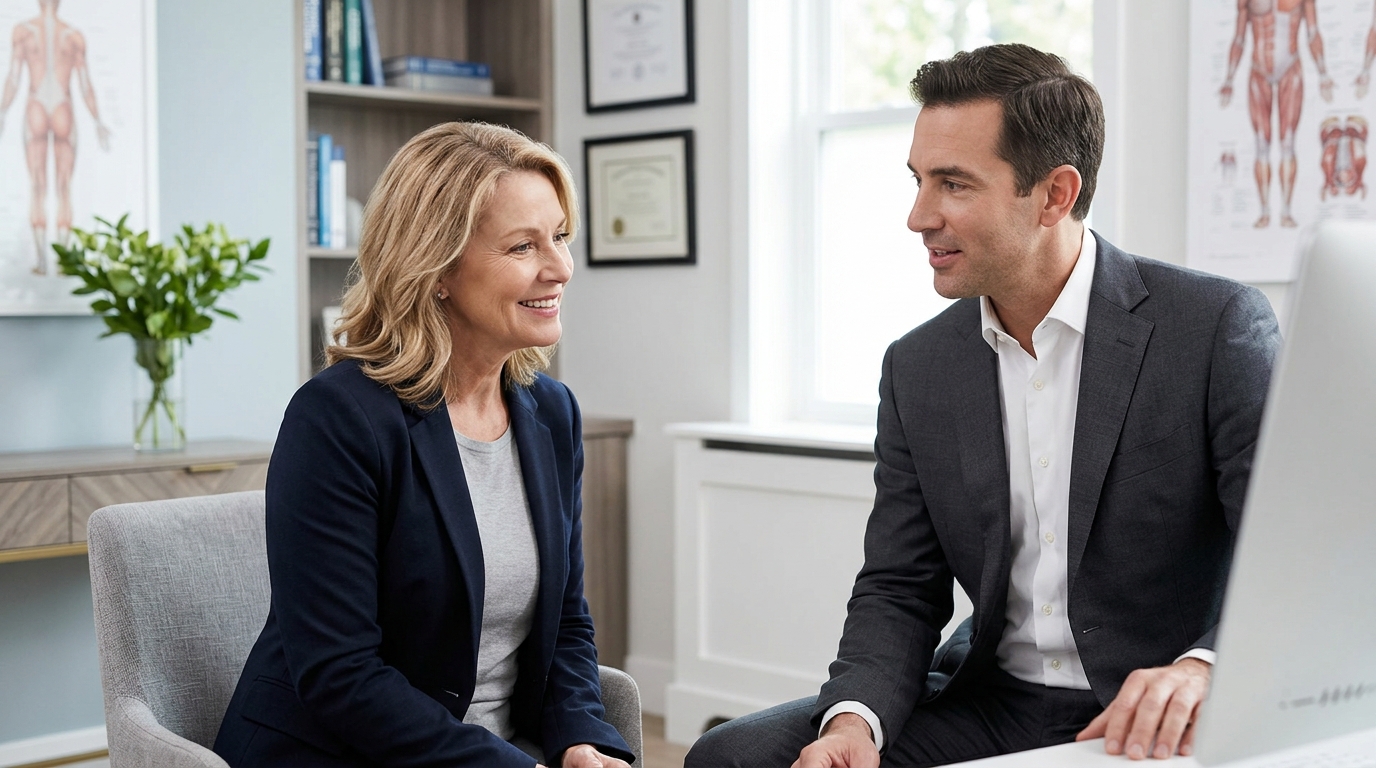
Choosing an appropriately trained facelift surgeon offers benefits that extend beyond the incision pattern. Facial rejuvenation depends on understanding the superficial musculoaponeurotic system, retaining ligaments, skin elasticity, soft-tissue movement, and the relationship between the cheek, jowl, jawline, and neck. That anatomical assessment helps determine whether a Mini Facelift can provide a balanced improvement or whether another facelift approach within the practice’s scope should be discussed, such as a deep plane facelift.
Individualized planning can also reduce the risk of treating the wrong problem. Repeatedly adding nonsurgical volume when the primary issue is tissue descent may produce fullness without restoring a defined contour. A surgical consultation gives the patient an opportunity to discuss what the operation can and cannot change, including fine lines, skin texture, pigmentation, facial volume, and age-related progression. Realistic expectations are part of good care, not a limitation of it.
Safety planning is another meaningful benefit of an established surgical practice. The discussion should include medical clearance when appropriate, medication and allergy review, anesthesia selection, monitoring, facility accreditation, infection control, emergency protocols, and postoperative communication. Accreditation supports defined standards, yet it does not eliminate surgical or anesthesia risk. Risks may include bleeding, infection, fluid collection, delayed healing, unfavorable scarring, asymmetry, nerve-related weakness, changes in sensation, hairline changes, blood clots, anesthesia complications, and the need for additional treatment.
Continuity of care matters during recovery. Swelling and bruising often change gradually, while tightness, numbness, firmness, and unusual sensations may persist for varying periods in some patients. Recovery is not accurately represented by a short promotional label. A responsible surgeon explains activity restrictions, wound care, warning signs, scheduled examinations, and the point at which an in-person assessment is needed. Before choosing a practice, patients should review the American Society of Plastic Surgeons’ facelift education and current annual statistics report for broader procedure context, then use a consultation to determine whether the information applies to their anatomy and health.
How to Choose the best place to get a mini facelift
When deciding on the best place to get a mini facelift, evaluate the surgeon and care system rather than relying on rankings, discounts, or terms such as “weekend lift.” Start by confirming that the surgeon is certified by the American Board of Plastic Surgery. The phrase “board certified” has meaning only when the certifying organization and specialty are identified. Dr. Mark G. Albert, MD, FACS, is certified by the American Board of Plastic Surgery and is a Fellow of the American College of Surgeons. FACS indicates fellowship in a professional surgical organization, but no credential can guarantee a particular aesthetic result.
Review the surgeon’s education, facelift-specific experience, consultation process, operative setting, anesthesia plan, and postoperative access. At Albert Plastic Surgery, Dr. Albert assesses skin elasticity, jowling, jawline definition, neck anatomy, soft-tissue descent, facial proportions, medical history, and personal goals before discussing whether a Mini Facelift is appropriate. Ask how the proposed incision pattern and tissue support relate to your anatomy, what degree of improvement is realistic, and whether the plan addresses laxity without creating a tight or puffy appearance. Candidacy, technique, recovery, risks, and outcomes require individualized clinical assessment.
| Criterion | What to verify | Why it matters |
|---|---|---|
| Specialty credentials | American Board of Plastic Surgery certification, verified through the ABPS | Shows specialty-specific training and examination rather than an undefined certification claim |
| Facelift planning | Direct examination of skin, jowls, jawline, neck, retaining ligaments, and soft-tissue position | Helps determine whether a Mini Facelift matches the location and degree of laxity |
| Surgical facility | Accreditation, anesthesia oversight, patient monitoring, infection control, and emergency planning | Provides an organized safety framework, although accreditation does not remove surgical risk |
| Recovery support | Written instructions, scheduled examinations, direct communication, and warning-sign guidance | Swelling, bruising, tightness, numbness, firmness, and altered sensation can change over time |
| Expectation setting | Discussion of scars, asymmetry, complications, limitations, aging, and possible revision | Supports informed consent and a natural-looking, proportionate goal |
Traveling abroad or across the United States may broaden the number of surgeons available, but distance can complicate preoperative evaluation, follow-up, urgent assessment, and continuity of care. A reputable consultation should cover bleeding, infection, fluid collection, delayed healing, unfavorable scarring, nerve-related weakness, sensation changes, blood clots, anesthesia complications, and the possibility of additional treatment. Review general facelift education from the American Society of Plastic Surgeons and its current annual statistics report for context, then ask each surgeon how published technique information applies to your facial anatomy. The best decision is one supported by verified credentials, transparent planning, appropriate facility standards, and a recovery relationship that continues after surgery.
Frequently Asked Questions
What is the best place to get a mini facelift?
The best place is a practice where a qualified plastic surgeon personally evaluates your facial anatomy, explains the limits of a mini facelift, and provides organized follow-up. Look beyond rankings and promotional labels. Verify specialty certification, surgical-facility standards, anesthesia planning, emergency protocols, and access to postoperative care. At Albert Plastic Surgery, Dr. Mark G. Albert, MD, FACS, assesses whether a Mini Facelift fits the patient’s degree and location of laxity.
How should I compare mini facelift surgeons in New York City, the United States, or abroad?
Compare the surgeon’s verified training, facelift experience, examination process, proposed surgical plan, facility, anesthesia team, communication standards, and follow-up arrangements. Geographic convenience should not outweigh continuity of care. Traveling can make preoperative visits, wound checks, and prompt evaluation of swelling, bleeding, infection, or healing concerns more difficult. Ask each surgeon who will perform the operation, where surgery will occur, and how urgent questions will be handled after returning home.
What credentials should a qualified facelift surgeon have?
Confirm specialty-specific certification through the American Board of Plastic Surgery. The term “board certified” should identify the certifying organization and specialty. Fellowship in the American College of Surgeons, represented by FACS, is an additional professional credential. Credentials can help establish training and professional standards, but they cannot guarantee a particular contour, recovery, or aesthetic result.
How can I verify certification and facility accreditation?
Use the ABPS verification resource rather than relying only on a practice website or online directory. Ask the office to identify the facility’s accrediting organization, anesthesia provider, monitoring process, and emergency plan. Accreditation supports established operating standards, but it does not remove the risks of surgery or anesthesia. Before choosing a Mini Facelift, discuss medical history, medications, allergies, scars, numbness, bruising, swelling, recovery variability, and realistic expectations during an in-person consultation.
Leave a Reply