
facelift recovery when to schedule dental treatment
For Facelift recovery, the right time to schedule dental treatment depends on the procedure and your healing, not a single calendar rule. This guide explains why recommendations range from about four weeks to 6-8 or even 8-12 weeks, and why you should confirm timing with your operating surgeon and dentist.
Key Takeaways
- Dental treatment timing after a facelift varies because different procedures place different demands on healing tissues, so there is no single date that applies to every patient.
- Published recommendations commonly range from roughly four weeks after surgery to intervals of 6 to 8 weeks or even 8 to 12 weeks, depending on the extent of the procedure.
- Routine dental cleanings are usually easier to schedule earlier than more invasive dental work, which may involve stretching the mouth, prolonged positioning, or instruments near healing areas.
- Sharing your surgical details with your dentist allows both providers to coordinate a plan that protects your recovery.
- The safest approach is to confirm your personal timing with your operating surgeon before booking any dental appointment.
Dr. Mark Albert is certified by the American Board of Plastic Surgery and is a Fellow of the American College of Surgeons. Recovery and dental timing vary by patient; this general information does not replace individualized medical advice.
Routine dental care is commonly postponed for at least four weeks after facelift surgery. Some surgeons advise waiting 6-8 weeks for elective treatment, while an 8-12-week interval may be suggested for more involved procedures. These are general ranges, not clearance dates. Your surgeon should consider your healing and planned dental work before you book.
The Short Answer by Treatment Type: Cleaning vs Filling vs Extraction vs Implant
Use these ranges as a starting point for discussion, not permission to proceed. A cleaning or straightforward filling may be considered around four weeks or later if recovery is uncomplicated. A root canal or extraction may call for 6-8 weeks or more; dental implants and bone grafting may be delayed 8-12 weeks. For pain, infection, or another urgent concern, contact your surgeon and dentist rather than waiting for an elective-care window.
| Dental treatment | General timing to discuss | What to confirm |
|---|---|---|
| Cleaning | About 4 weeks or later | Whether your facial healing allows the visit |
| Filling | Often 4-6 weeks | Appointment length and jaw opening |
| Root canal or extraction | Often 6-8 weeks or more | Procedure urgency and recovery status |
| Implant or bone graft | Often 8-12 weeks | Timing of surgery and your surgeon’s clearance |
Why There Is No Single Universal Wait Time
A short cleaning and a longer procedure place different demands on your face. Jaw opening, pressure, appointment duration, and dental injections can matter during healing. The extent of surgery, incision healing, swelling, and your recovery also affect timing. Recommendations differ because they address different procedures and patients; a week count alone cannot establish readiness.
The Call-First Rule for Any Dental Appointment After Facelift Surgery
Before scheduling, tell your facelift surgeon what care is planned and when. Give your dentist the surgery date and your surgeon’s instructions. Ask both offices to coordinate if treatment is invasive, requires a prolonged appointment, or may involve medication or anesthesia. Dr. Albert’s Facelift care is planned around individual clinical assessment, and dental timing also needs patient-specific guidance.
Facelift Recovery Phases: What Is Happening Under Your Skin Week by Week
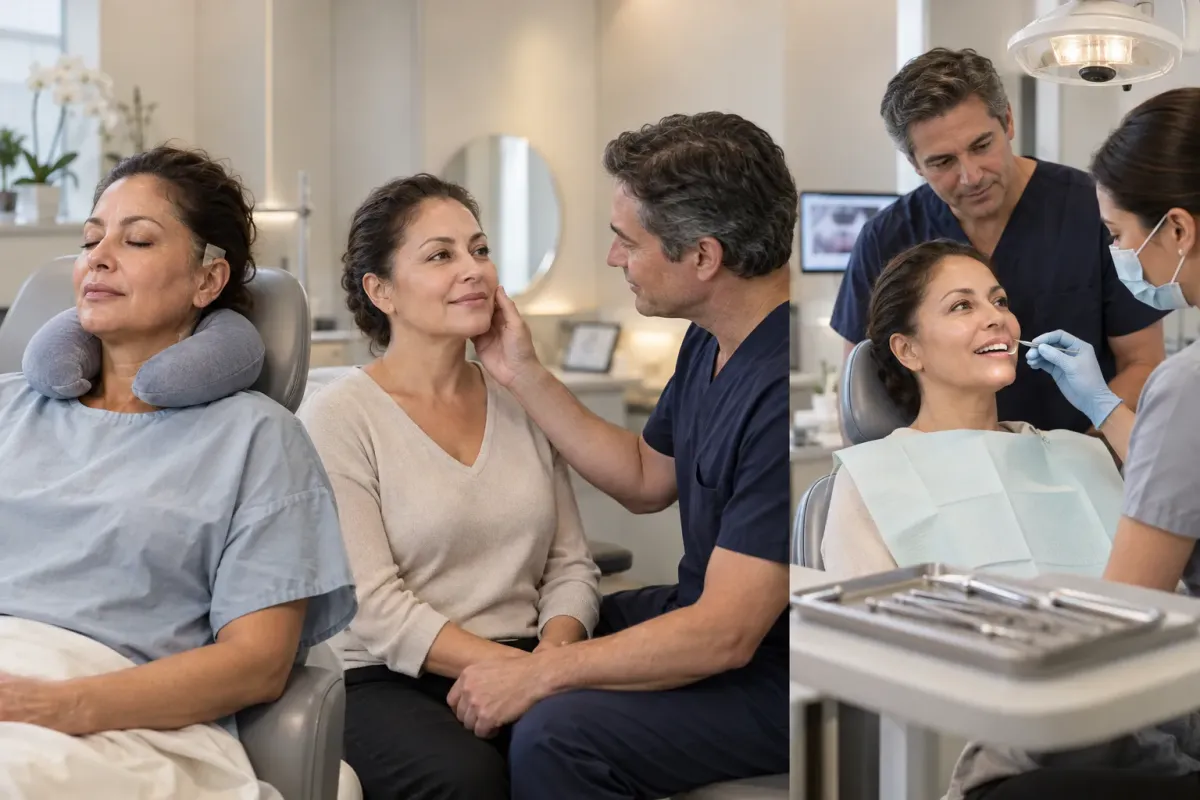
Healing moves through stages, but the pace varies. The American Society of Plastic Surgeons describes recovery as continuing beyond the first month. Visible swelling or bruising may improve before deeper tissues and incisions finish healing. Returning to work or social plans does not mean your face is ready for every activity.
Week 1: Peak Swelling, Bruising, and Fresh Incisions Near the Ear and Jaw
Swelling and bruising commonly peak within the first 72 hours, then gradually settle. Incisions near the ears and along the hairline or jaw remain fresh and need protection. Rest with your head elevated as directed, follow wound-care instructions, and avoid pressure or unnecessary facial stretching. The early days are generally not a time for elective dental appointments.
Weeks 2-3: Early Healing, Returning to Work, and Closing Incisions
Many patients return to work around 2-3 weeks, depending on recovery and work demands. Bruising and swelling may remain noticeable while incision sites continue to heal. Social readiness is not a measure of physical readiness, so do not use a planned return to work to decide whether dental treatment is appropriate. Keep follow-up appointments and contact your surgeon with healing questions.
Weeks 4-6: Mid-Recovery, Scar Remodeling, and Returning to Exercise
Healing continues even when outward changes are less pronounced. Scar remodeling and changes in sensation take time. Activity restrictions are individualized; strenuous exercise is typically avoided for about six weeks after a deep plane facelift, according to the supplied research brief. Ask your surgeon about restrictions and dental visits involving extended jaw opening.
Months 3-6: Scar Maturation, Sensation Returning, and Final Results
Scars continue to mature, and altered sensation may gradually change over several months. The face can keep settling after early swelling improves, so its appearance at a few weeks is not necessarily the final result. Follow your surgeon’s advice about scar care and reviews; report concerns rather than assuming a change is normal.
Follow-Up Visit Cadence and Sleep Positioning During Healing
Your surgeon sets follow-up timing according to the operation and your progress. Keep visits so incision healing and recovery can be assessed. Follow instructions about sleeping position, head elevation, dressings, and any garment. Call the surgical team if instructions are unclear or uncomfortable instead of changing them on your own.
Warning Signs During Recovery That Mean Call Your Surgeon Now
The Surgeon's Dental Calendar: Matching Each Treatment to a Safe Recovery Phase
Dental timing after a Facelift depends on the treatment, extent of surgery, and healing of your incisions and facial tissues. Recommendations range from about four weeks to 6-8 weeks, with longer intervals discussed for involved care. Dawson Dental describes postponing elective dental work for about a month after facelift surgery; this is general guidance, not personal clearance. Use the calendar to discuss timing with your surgeon and dentist, not to choose a date by week count alone.
| Dental care | General recovery phase to discuss | Factors to review |
|---|---|---|
| Cleaning or routine hygiene | About 4 weeks or later | Healing, pressure, appointment length |
| Filling or simple restorative work | About 4-6 weeks | Jaw opening, injections, treatment duration |
| Root canal or extraction | About 6-8 weeks or later | Extent, urgency, and expected recovery |
| Implant or bone grafting | Often 8-12 weeks or later | Surgical complexity and surgeon guidance |
| Aligner or retainer adjustment | Individualized | Fit, pressure, and ease of removal |
Dental Cleanings and Routine Hygiene Visits: Why Most Surgeons Say Wait at Least 4 Weeks
A cleaning is less involved than oral surgery, but may require reclining, cheek or lip retraction, and sustained jaw opening. Around four weeks is a common point to ask about routine hygiene, not a universal clearance threshold. If swelling, tenderness, or incision healing remains a concern, your surgeon may advise waiting. Tell the dental office about your surgery so staff can plan a gentler, shorter visit if your clinicians agree.
Fillings and Simple Restorative Work: The 4-6 Week Window and What Matters Most
For a straightforward filling, discuss an appointment around four to six weeks, especially if it is expected to be brief. The dentist may need to keep your mouth open and apply pressure near the cheeks or jaw. The tooth, appointment length, local anesthesia, and your recovery all matter. If treatment can safely wait, your surgeon may prefer more healing time. A calendar range does not confirm that your visit is appropriate.
Root Canals and Tooth Extractions: Why Deeper Procedures Need 6-8 Weeks or More
A root canal or extraction can involve longer mouth opening, more manipulation, and a more involved recovery than cleaning. A 6-8-week interval or longer may be discussed for elective care, depending on the procedure and your healing. Tell your surgeon the expected duration, injections, and aftercare. If a tooth problem needs earlier attention, contact both offices for coordination rather than delaying evaluation based on a routine timetable.
Dental Implants and Bone Grafting: The Longest Waits (Often 8-12 Weeks)
Implant placement and bone grafting may require a longer visit and more substantial oral healing. An 8-12-week interval is a range to discuss, not confirmation that treatment is appropriate then. Your dental plan, facelift recovery, and timing of staged work need consideration by the clinicians involved. Dr. Albert’s Facelift care, like dental timing, requires individualized assessment; no general calendar establishes readiness.
The Anatomical Why: Incisions, Blood Supply to Facial Flaps, and Nerves Near Dental Injection Sites
Facelift surgery involves skin and underlying tissues near the ears, cheeks, and jaw. These tissues need time to heal and maintain healthy blood supply. Nearby facial nerve branches, including the marginal mandibular branch, and sensory nerves such as the greater auricular nerve are relevant, though location and surgical considerations vary. Dental pressure, stretching, or injections near healing tissues warrant coordination, but do not prove a procedure will cause harm.
Local Anesthesia With Epinephrine and Prophylactic Antibiotics: Two Issues to Flag at the Dental Chair
Before dental treatment, ask the dentist to tell your surgeon whether local anesthetic containing epinephrine is planned and where it would be administered. The clinicians can consider your operation, healing, and medical history together. Ask whether antibiotics are indicated for your situation. Do not start, stop, or request antibiotics based only on this article; your clinicians should determine whether medication is appropriate.
How Wide Jaw Opening and Stretching Affect Early Healing
Prolonged or wide jaw opening places mechanical demands on tissues around the lower face. During early recovery, it may be uncomfortable and could stretch healing areas. Tell the dental team if opening your mouth feels restricted or painful. They can discuss positioning, breaks, or postponement with your surgeon according to your planned care and progress.
Orthodontic Aligners and Retainers During Facelift Recovery
Aligners and retainers may be manageable for some patients, but removal can require cheek movement and pressure. A tight appliance may feel different if swelling or tenderness is present. Ask your surgeon and orthodontic clinician about wearing, removing, or adjusting it during healing. Do not force an appliance that causes new pain or pressure; seek advice about fit and timing.
Dental Emergencies After a Facelift: What to Do When You Cannot Wait
A dental problem during facelift recovery should not automatically be postponed until a routine waiting period has passed. Contact your dentist about the symptoms and inform your operating surgeon that care may be needed. Severe or rapidly worsening symptoms warrant urgent medical or dental care. This is educational guidance, not a diagnosis; your clinicians can weigh the dental concern against your healing and coordinate care.
Elective vs Emergency Dental Care: A Decision Checklist
This distinction can guide whom to contact, but cannot diagnose a symptom. Discuss routine care with both offices before booking. Severe pain, suspected infection, injury, or rapidly increasing swelling needs prompt professional assessment. When unsure, call your dentist and surgeon.
- Likely elective: a scheduled cleaning, checkup, or stable concern without significant pain or sudden change. Ask both clinicians when it can be planned.
- Needs prompt dental advice: persistent or worsening tooth pain, a broken tooth, new gum swelling, or possible infection. Call your dentist promptly and tell the surgical team.
- Emergency: difficulty breathing or swallowing, heavy bleeding, facial trauma, or rapidly worsening swelling. Seek emergency care immediately.
Severe Tooth Pain, Infection, Swelling, or Trauma in the First Weeks: The Correct Order of Calls
For an urgent, non-life-threatening dental concern, call your dentist first, describe the symptoms, and ask how soon an examination is needed. Then contact your facelift surgeon, especially during early recovery or if facial swelling or trauma is involved. Share the surgery date, symptoms, and proposed treatment. If symptoms suggest an emergency, do not wait for an office callback before seeking emergency care. Tell both offices where you are receiving care when possible.
Why Your Dentist and Plastic Surgeon Should Coordinate Before Any Early Procedure
Your dentist understands the tooth problem and likely treatment; your surgeon can advise on the operation, healing tissues, and recovery restrictions. Before early treatment, ask the offices to exchange details about the procedure, positioning, expected jaw opening, anesthetic plan, and medication questions. Neither clinician should assume what the other advised. Coordination should support timely assessment, not delay necessary care.
Illustrative Patient Scenarios: When Waiting Was Right and When Immediate Care Was Needed
In a hypothetical case, someone with a routine cleaning booked soon after surgery, no symptoms, and healing still being assessed could ask both offices about postponement. Someone with severe tooth pain and new swelling should call the dentist promptly and alert the surgeon, rather than wait for an elective-care interval. Symptoms and the treatment plan guide the next step.
Your Two-Doctor Coordination Script: Questions to Ask Before You Book

When contacting either office, give your facelift date, describe your recovery, and name the proposed dental treatment. Ask for advice that considers the procedure and your healing, not just the number of weeks since surgery. Keep the answers and contact details available for both care teams.
Questions to Ask Your Plastic Surgeon Before Scheduling Dental Work
- Based on my recovery, is this dental treatment reasonable now, or should I wait?
- Are there concerns about jaw opening, facial pressure, positioning, or the proposed anesthetic?
- Should my dentist contact your office before treatment, and what symptoms should prompt me to call you?
Questions to Ask Your Dentist About Your Recent Facelift
- How long is the visit, and how much mouth opening or facial pressure may it involve?
- What anesthetic or medication is being considered, and can you coordinate with my surgeon?
- Is the treatment urgent, or can it be scheduled for a later recovery phase?
How to Resolve Conflicting Advice Between the Two Offices
If recommendations differ, ask each office to explain its specific concern. Request direct clinician-to-clinician communication, especially for invasive or time-sensitive treatment. Clarify the treatment’s urgency and your recovery needs before choosing between instructions.
Planning Ahead: Scheduling Elective Dentistry Before or After Your Facelift
If you need elective dental work, discuss timing with your surgeon and dentist before setting a facelift date. Completing appropriate care beforehand may simplify planning, while recovery can affect when later appointments are comfortable. The clinicians can account for the treatment and your circumstances.
Frequently Asked Questions
When can I go to the dentist after a facelift?
Routine dental treatment is commonly postponed for at least four weeks after facelift surgery, with some surgeons advising 6 to 8 weeks or longer. The right timing depends on your healing and the planned dental work, so confirm with your surgeon before booking an appointment.
How soon can I get a dental cleaning or filling after facelift surgery?
A dental cleaning or straightforward filling may be considered around four weeks or later after a facelift if recovery is uncomplicated. These are general starting points for discussion, not clearance dates, and your surgeon should confirm that facial healing allows the visit.
How long should I wait for a root canal, extraction, or dental implant after a facelift?
A root canal or extraction often calls for a 6 to 8 week wait or more after a facelift, while dental implants and bone grafting may be delayed 8 to 12 weeks. Your surgeon and dentist should coordinate timing based on your recovery and the procedure involved.
Why is there no single wait time for dental work after a facelift?
Dental timing after a facelift varies because different treatments place different demands on healing facial tissues. Jaw opening, pressure, appointment length, and dental injections all matter, and the extent of surgery, incision healing, and swelling differ from patient to patient.
Can I return to work and resume normal activities before scheduling dental care after a facelift?
Many patients return to work around 2 to 3 weeks after a facelift, but social readiness is not a measure of physical readiness. Deeper tissues and incisions continue healing well beyond the first month, so returning to work does not mean dental treatment is appropriate.
What should I do if I need urgent dental care during facelift recovery?
For dental pain, infection, or another urgent concern after a facelift, contact both your surgeon and your dentist promptly rather than waiting for an elective-care window. Seek emergency care for severe symptoms such as trouble breathing or heavy bleeding.
How should I coordinate dental appointments with my facelift surgeon?
Before scheduling any dental appointment during facelift recovery, tell your surgeon what care is planned and when, and give your dentist the surgery date along with your surgeon's instructions. Ask both offices to coordinate if treatment is invasive, lengthy, or may involve medication or anesthesia.
Leave a Reply