best deep plane facelift surgeons in usa
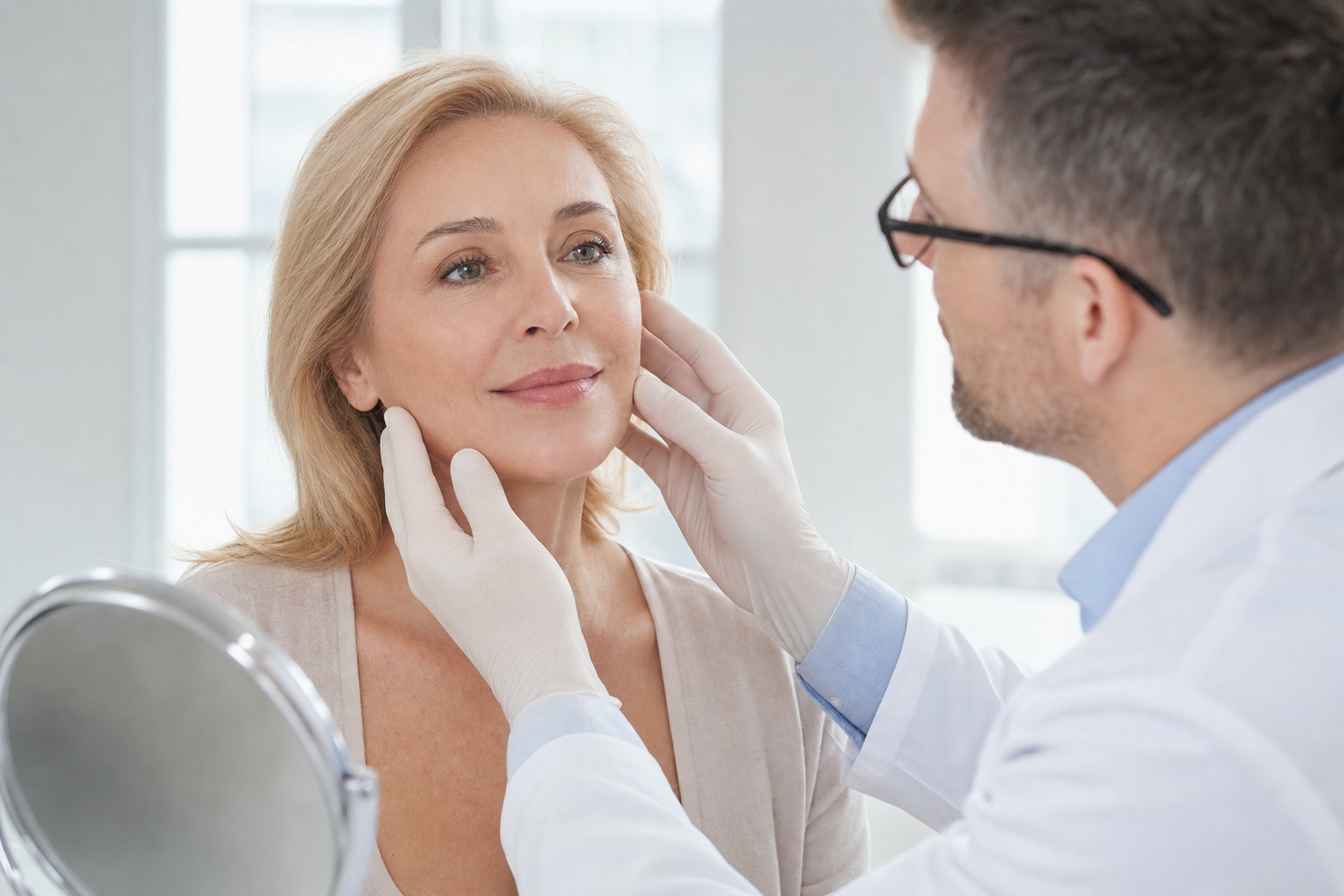
Choosing among the best deep plane facelift surgeons in USA calls for more than rankings or before-and-after photographs. Review board certification, facelift training, operative setting, communication, follow-up, and whether the surgeon’s recommendations fit your facial anatomy and goals. Dr. Mark G. Albert, MD, FACS, approaches facelift planning with attention to proportion, tissue support, safety, and continuity of care.
Key Takeaways
- Board certification from the American Board of Plastic Surgery indicates that a surgeon has completed accredited training and passed rigorous examinations in plastic surgery.
- Deep plane facelifts require advanced anatomical knowledge, so ask each surgeon how many of these procedures they perform each year and where they trained.
- Ask whether the operative setting is accredited and whether qualified anesthesia personnel will be present throughout the procedure.
- A good surgeon listens to your goals, explains what surgery can realistically achieve, and tailors the plan to your unique facial anatomy.
- Consistent follow-up care after surgery helps monitor healing and address concerns early.
Facelift surgery is the focus of Albert Plastic Surgery in New York City. A deep plane facelift may suit some patients, while a Nanolift™, mini facelift, or another facelift plan may be more appropriate for a different pattern of skin laxity and facial aging. Candidacy, technique, anesthesia, recovery, and risk require an in-person consultation with a qualified clinician.
What makes a deep plane facelift surgeon qualified?
A qualified deep plane facelift surgeon combines appropriate board certification, relevant surgical training, detailed knowledge of facial anatomy, sound judgment about technique selection, and a clear plan for follow-up. Ask a qualified clinician to explain whether a deep plane facelift is appropriate for your anatomy and goals. When appropriate for the patient, the clinician can discuss the procedure’s potential benefits and limitations.
Credentials are one part of the decision. Ask about certification by the American Board of Plastic Surgery or the American Board of Facial Plastic and Reconstructive Surgery, aesthetic surgery fellowship training, hospital privileges, and the accreditation of the surgical facility. Dr. Albert is certified by the American Board of Plastic Surgery and is a Fellow of the American College of Surgeons. He completed plastic surgery residency and chief residency at the University of Massachusetts Medical School, followed by an aesthetic plastic surgery fellowship at Manhattan Eye, Ear, and Throat Hospital. He serves as Program Director of the MEETH Aesthetic Plastic Surgery Fellowship and Assistant Clinical Professor of Surgery at the Zucker School of Medicine at Hofstra/Northwell.
Searches such as “best facelift surgeon in USA,” “best face lift surgeon near me,” or “10 best plastic surgeons by state 2022” can help you create a list of surgeons to research. They cannot determine who is appropriate for your anatomy. During consultation, ask about facial asymmetry, jowling, neck laxity, cheek descent, skin elasticity, incision placement, anesthesia, swelling, numbness, and why a deep plane technique is or is not being considered.
What can individualized deep plane facelift care address?
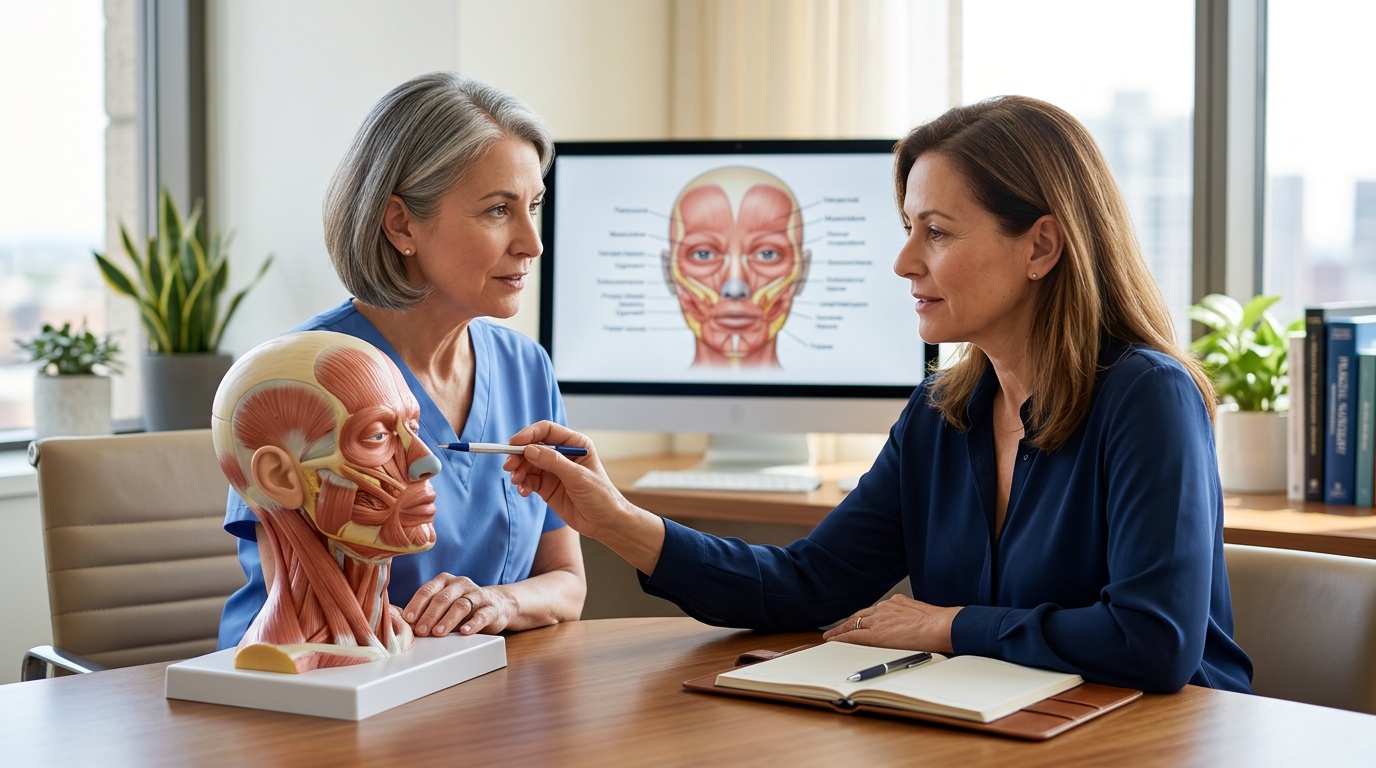
Individualized planning connects the operation to the patient’s pattern of facial aging. Some patients have prominent jowls; others have cheek descent, loose neck tissue, or several concerns together. When the technique fits the anatomy, the clinician can discuss potential changes and limitations. The aim is a proportionate appearance that remains recognizably yours, not an expressionless or overly tight result.
No facelift technique removes every sign of aging or guarantees a particular appearance. Tissue handling, skin tension, surgical vectors, healing, and follow-up all affect the outcome. A facelift also cannot stop future aging or address every concern outside the areas treated. Requests to look exactly ten years younger need a careful discussion of realistic goals rather than a promise.
Recovery and financial planning deserve the same attention as technique. Bruising, swelling, temporary numbness, tightness, incision changes, and uneven healing can occur, and healing speed differs among patients. A written estimate should identify surgeon, facility, and anesthesia fees, along with postoperative visits, supplies when applicable, and possible additional charges. Deep plane facelift cost is only one factor; qualifications, operative standards, follow-up access, and the complexity of the plan also matter.
Why individualized planning matters
Rankings and patient-review platforms can provide names for further research, but they do not replace an examination. For context, Newsweek’s 2025 facelift listing includes surgeons in several U.S. markets, while RealSelf reviews describe patient-reported experiences rather than predict an individual result. A useful consultation connects credentials and technique with your anatomy, priorities, risk tolerance, recovery needs, and understanding of the operation.
How should you choose a deep plane facelift surgeon?
Start with qualifications that can be verified rather than a prominent website or listicle. Confirm board certification by the American Board of Plastic Surgery or the American Board of Facial Plastic and Reconstructive Surgery, relevant aesthetic surgery training, an accredited surgical facility, and hospital privileges appropriate to the operation. Fellowship training can provide focused preparation, while FACS identifies membership in the American College of Surgeons. Dr. Mark G. Albert is certified by the American Board of Plastic Surgery and is a Fellow of the American College of Surgeons. He completed plastic surgery residency and chief residency at the University of Massachusetts Medical School, followed by an aesthetic plastic surgery fellowship at Manhattan Eye, Ear, and Throat Hospital.
A consultation should be an anatomical assessment, not a sales presentation. The surgeon should review skin elasticity, jowling, cheek descent, neck laxity, facial asymmetry, prior surgery, and incision considerations. Ask why a deep plane facelift is being proposed and whether a Facelift plan, Nanolift™, or mini facelift better matches the degree and distribution of laxity. The discussion should define what surgery may improve, what may remain, and how future aging may affect the result.
| Evaluation factor | What to verify | Why it matters |
|---|---|---|
| Professional credentials | Board certification, fellowship training, and FACS status when applicable | Shows relevant education and professional standards for surgical practice |
| Technical planning | Discussion of facial anatomy, tissue planes, skin tension, vectors, and technique selection | Connects the operation to your specific pattern of aging instead of applying one formula |
| Outcome review | Consistent, appropriately consented photographs viewed across different angles and healing stages | Helps you assess natural movement, jawline definition, neck contour, and scar placement |
| Financial transparency | Written estimate identifying surgeon, anesthesia, facility, follow-up, and possible additional fees | Reduces uncertainty around the total deep plane facelift cost |
| Continuity of care | Clear instructions, scheduled follow-up, and a direct process for reporting concerns | Supports monitoring of swelling, bruising, numbness, tightness, incision healing, and recovery progress |
Searches such as “best facelift surgeon in Florida,” “best facelift surgeon in Southern California,” “top 10 facial plastic surgeons in NYC,” or “best facelift surgeon in the world” may help you assemble a consultation list. They do not establish that a surgeon is the right match for your anatomy or expectations. Newsweek’s 2025 facelift rankings include surgeons in markets such as San Francisco, New York, and Great Neck, yet a ranking cannot assess your medical history, tissue quality, anesthesia considerations, or readiness for recovery.
Ask about swelling, bruising, temporary or prolonged numbness, tightness, scar maturation, residual laxity, asymmetry, infection, bleeding, nerve injury, and possible revision surgery. Recovery varies, and looking presentable is not the same as completing the healing process. At Albert Plastic Surgery, the discussion centers on individualized assessment, proportionate goals, safety, privacy, and postoperative care. Not on a label such as “best face lift surgeon near me.”
Frequently Asked Questions
What is a deep plane facelift, and why may it look natural?
A qualified clinician can explain whether a deep plane facelift is appropriate for your anatomy and goals. A qualified clinician can explain the technique’s potential effects and limitations for your anatomy and goals. A natural result still depends on anatomy, tissue quality, surgical judgment, healing, and realistic planning. No facelift technique can guarantee a particular appearance or prevent future aging.
What qualifications should I look for in a facelift surgeon?
Look for board certification by the American Board of Plastic Surgery or the American Board of Facial Plastic and Reconstructive Surgery, relevant aesthetic surgery training, experience with facelift anatomy, and an accredited operative setting. Ask how the surgeon selects among deep plane, Nanolift™, mini facelift, and other Facelift approaches. A consultation should include medical history, facial examination, anesthesia planning, expected limitations, recovery, complications, and follow-up arrangements.
Who may be considered for deep plane facelift surgery?
Some adults with cheek descent, jowls, lower-face laxity, or neck changes may be considered for this operation. Candidacy cannot be determined from photographs, age, or an online questionnaire alone. Skin elasticity, bone structure, general health, prior surgery, medications, smoking status, expectations, and recovery flexibility all require individualized review with a qualified clinician.
How much does a deep plane facelift cost?
Pricing varies by surgeon, geographic location, operative facility, anesthesia, surgical complexity, and postoperative care. Request a written estimate that identifies each component and asks whether follow-up visits, medical supplies, or possible additional care are included. Cost should be evaluated alongside credentials, safety protocols, communication, and continuity of care, rather than as an isolated number.
How long does recovery take?
Swelling and bruising are expected, and early tightness, altered sensation, or numbness may persist while tissues heal. Recovery can involve time away from work and social activities, but the appropriate schedule varies substantially between patients. Looking presentable does not mean healing is complete. Contact the surgical team promptly about increasing pain, sudden swelling, drainage, fever, wound changes, or any concern after surgery. An in-person consultation is necessary for personalized recovery guidance.
Leave a Reply