
accutite cost
Facelift pricing depends on the surgical plan, the surgeon’s fee, anesthesia, and the setting where surgery is performed. A quoted amount is useful only when you know what it includes and whether the proposed technique addresses your concerns.
Key Takeaways
- The final price of a facelift reflects several separate components, including the surgeon's fee, anesthesia, and the facility where the procedure takes place.
- A lower quoted figure is not automatically a better value if the proposed technique does not actually address your specific concerns.
- Asking what a quote includes, and what it leaves out, is one of the most useful steps you can take before comparing surgeons.
- The right technique for your anatomy and goals should drive the plan, since pricing only makes sense in the context of an individualized surgical approach.
- Candidacy, technique selection, and total cost vary by patient, so an in-person consultation with a qualified facelift surgeon is the reliable way to understand your expected investment.
Dr. Mark Albert is certified by the American Board of Plastic Surgery and is a Fellow of the American College of Surgeons. A consultation can help determine whether a facelift is appropriate for your anatomy, goals, and health history.
What Determines Facelift Cost, and What Should a Quote Include?
There is no single price that applies to every facelift. Cost varies with the extent of surgery, the technique selected, the surgeon’s experience, anesthesia, and facility fees. The appropriate plan also depends on the areas of the face and neck being addressed. A price without that context cannot show whether two proposals cover comparable care.
Which factors affect the price of facelift surgery?
A more extensive operation may require additional surgical time and resources. Fees may also differ by location and surgical setting. Ask whether the estimate includes the surgeon’s fee, anesthesia, facility charges, follow-up visits, and any costs that may arise if the original plan changes. Confirm payment terms and cancellation policies in writing before making a financial commitment.
What should you confirm before accepting a quote?
Ask which technique is proposed and what concerns it is intended to address. Clarify who will provide anesthesia, where surgery will take place, and how postoperative questions and visits will be handled. A thorough discussion should include limitations, material risks, recovery expectations, and the possibility that results may not match your hopes. Individual candidacy and risk require assessment by a qualified clinician.
How Should You Evaluate Facelift Options?
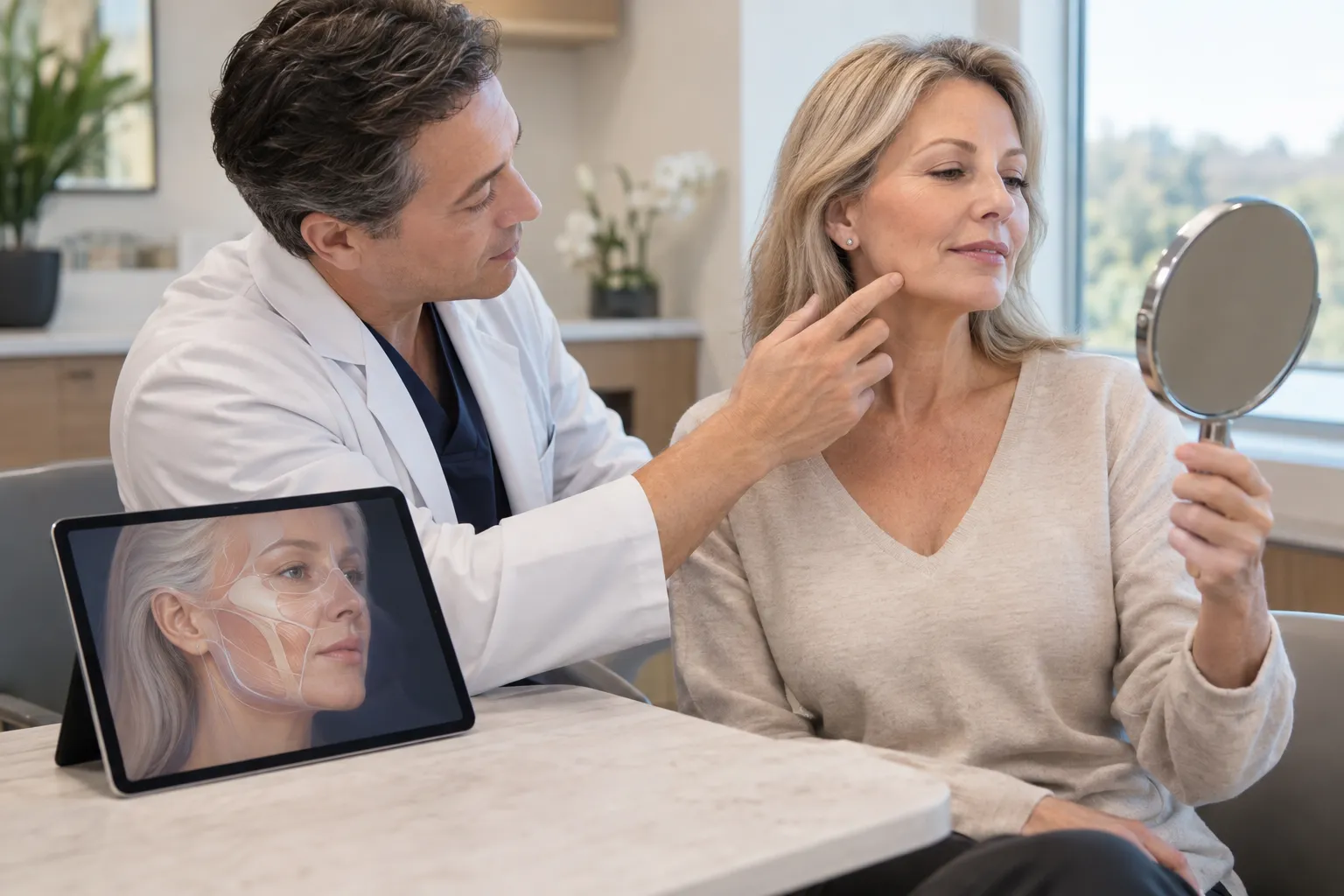
Useful comparisons begin with the concern being treated, the degree of facial laxity, and the result you consider natural and proportionate. Technique matters, but it is not a stand-alone measure of value. Consider the expected recovery, the surgeon’s explanation of limitations, the setting for surgery, and the continuity of care after the procedure.
What should guide a facelift decision?
Ask how the proposed approach relates to your facial anatomy and goals, what changes it can reasonably address, and which concerns may remain. Discuss recovery, potential complications, and how follow-up is arranged. A recommendation should be individualized rather than based solely on a procedure name, promotional images, or a quoted fee.
About Dr. Mark Albert
Dr. Mark Albert, formally Mark G. Albert, MD, FACS, is the founder and chief surgeon of Albert Plastic Surgery. He completed plastic surgery residency and chief residency at the University of Massachusetts Medical School and an aesthetic plastic surgery fellowship at Manhattan Eye, Ear, and Throat Hospital. He is Program Director of that fellowship and an Assistant Clinical Professor of Surgery at the Zucker School of Medicine at Hofstra/Northwell.
Decisions about facelift technique, anesthesia, candidacy, and recovery require an in-person consultation with a qualified clinician. Learn more about Dr. Mark Albert or request a facelift consultation.
AccuTite vs FaceTite vs Surgical Facelift: Ranked by Cost and Value
Cost alone cannot show which approach offers the best value. The decision depends on the degree of facial laxity, the areas of concern, and whether a surgical plan is appropriate. A facelift consultation with Dr. Mark Albert can help assess those factors and discuss realistic goals, recovery, and risks. No procedure is suitable for everyone, and an individualized evaluation is needed before deciding.
#1: Deep Plane Facelift and Nanolift™ With Dr. Mark Albert: When Surgery Is the Better Spend
Best for: Adults whose facial laxity and goals may be better addressed through a facelift plan tailored to their anatomy. Dr. Mark Albert is certified by the American Board of Plastic Surgery and is a Fellow of the American College of Surgeons. His facelift practice includes Deep Plane Facelift and Nanolift™ options.
A surgical consultation can establish whether a facelift may address the concerns that matter to you, and explain the proposed technique, anesthesia, recovery, limitations, and fees. Value is not simply a lower upfront price; it also means understanding what the plan is intended to change and what it may not change. Individual candidacy and risk require discussion with a qualified clinician.
#2: FaceTite: Larger Areas, Higher Price, What It Costs and When It Fits
Best for: This heading raises a comparison that falls outside this article’s facelift-only scope. FaceTite is not one of the facelift options covered here, so its price, treatment areas, anesthesia, and expected results should not be presented as a substitute for an individualized facelift assessment.
#3: AccuTite: The Small-Area Precision Tool and Why “Baby FaceTite” Is Misleading
Best for: This heading also concerns a treatment outside the facelift-only scope. A nickname or device description cannot establish whether a facelift is appropriate, nor can it determine the technique, expected benefit, or cost for an individual. Those questions require an assessment of facial anatomy, degree of laxity, health history, and goals.
Side-by-Side Comparison Table: Areas, Anesthesia, Downtime, Results, and Cost
The table compares the facelift options within scope. Anesthesia, recovery, and fees depend on the individual plan and clinical setting, so no general table can substitute for a consultation or a written, itemized estimate.
| Facelift option | Planning focus | Anesthesia and recovery | Cost and expected results |
|---|---|---|---|
| Deep Plane Facelift | Technique and treatment areas are determined in consultation. | Discuss the proposed anesthesia and recovery plan with the surgeon. | Fees and likely changes depend on the individualized surgical plan. |
| Nanolift™ | Dr. Albert’s facelift option, discussed in relation to a patient’s concerns and anatomy. | Discuss anesthesia and recovery expectations during consultation. | Request an estimate that reflects the proposed plan and included services. |
| Mini Facelift | Suitability depends on the areas of concern and degree of laxity. | Technique, anesthesia, and recovery vary by patient. | Ask what changes are anticipated, what limitations remain, and what the quote covers. |
AccuTite Under Eyes, Before-and-After Photos, and Reddit Reviews: Judging Whether the Cost Is Worth It
Questions about under-eye treatment, online photographs, and patient reviews can be useful prompts for a consultation, but they do not establish whether a facelift is appropriate. Facelift planning is individualized. A qualified clinician should explain which concerns a proposed surgical approach can address, its limitations, and the risks relevant to your health and anatomy.
AccuTite Under Eyes: What It Can and Cannot Fix for Lower-Lid Laxity
Lower-eyelid concerns require an assessment specific to the area. They should not be assumed to fall within the scope of a facelift. Ask the clinician to distinguish your stated concern from facial laxity a facelift may address, and to explain what would remain unchanged. This article does not compare or recommend treatments outside facelift surgery.
Before and After: A Realistic Results Timeline (Weeks 1-6 Months)
Photographs can help frame a discussion, but a single image cannot predict an individual result. Lighting, angle, expression, and image selection affect how before-and-after photos appear. Ask to review examples relevant to the facelift technique being discussed, and ask how healing may affect the appearance over time. Recovery varies, so a clinician should provide expectations based on the proposed plan.
What AccuTite Reviews and Reddit Threads Actually Reveal
Online reviews and discussion threads reflect individual experiences, not a reliable forecast for another person. They may raise questions about communication, follow-up, costs, or recovery, but cannot verify a clinician’s credentials or establish candidacy. When comparing surgeons, review qualifications, the clarity of the surgical plan, discussion of risks, and arrangements for follow-up care.
Procedure Walkthrough: Consultation, Local Anesthesia, Treatment, and Recovery
A facelift consultation should cover your concerns, medical history, proposed technique, anesthesia, surgical setting, recovery, and material risks. Do not assume that local anesthesia applies to every facelift; the approach depends on the patient and surgical plan. Ask how postoperative care is arranged and whom to contact with concerns. Individual advice requires an in-person assessment by a qualified clinician.
Your Consultation Checklist: Pricing Questions to Ask Before Paying a Deposit

Before paying a deposit for facelift surgery, make sure you understand the proposed plan, the full fee, and the care included before and after surgery. A clear estimate should relate to a specific surgical approach and your individual concerns, rather than offer a price without explaining its scope. Candidacy, technique, anesthesia, recovery, and risk vary by patient and require an in-person consultation with a qualified clinician.
Seven Questions About Cost, Credentials, and Candidacy
Use these questions to be clear the proposal and make comparisons on a like-for-like basis:
- Which facelift technique are you recommending, and what concerns is it intended to address?
- What changes might this plan not address, and what limitations should I understand?
- What does the written estimate include, such as the surgeon’s fee, anesthesia, facility charges, and follow-up visits?
- Could additional fees apply if the plan or recovery needs change?
- Who will provide anesthesia, and where will surgery take place?
- What are your qualifications and experience with the proposed facelift technique?
- How will I reach the care team with questions during recovery, and what follow-up is planned?
Pause if the price is presented without a defined plan, important fees are unclear, or you feel pressured to pay before your questions are answered. Ask for the estimate and payment terms in writing. A deposit should follow an informed decision, not replace one.
When to Schedule a Facelift Consultation With Dr. Mark Albert Instead
If your main concern involves broader facial laxity, or you are unsure whether a limited approach could address your goals, discuss facelift options with a qualified surgeon. Dr. Mark Albert is certified by the American Board of Plastic Surgery and is a Fellow of the American College of Surgeons. A consultation can help clarify whether a Facelift, Deep Plane Facelift, Mini Facelift, or Nanolift™ may be appropriate to discuss, along with expected benefits, limitations, risks, recovery, and fees. No technique is right for everyone.
Request a facelift consultation with Dr. Mark Albert to discuss your concerns and receive an individualized assessment. This educational information is not a diagnosis or a substitute for medical advice.
Frequently Asked Questions
How much does an 8-point facelift cost for a 50-year-old?
There is no single price for an 8-point facelift, and age alone does not determine cost. Fees vary with the extent of surgery, technique, surgeon's experience, anesthesia, and facility charges. A consultation with Dr. Mark Albert is needed for an individualized plan and a written, itemized estimate.
Will insurance cover skin tightening or facelift surgery?
Insurance generally does not cover facelift surgery or aesthetic skin tightening, as these are considered cosmetic procedures. Coverage policies vary, so confirm benefits directly with your insurer. Ask your surgeon's office for a written, itemized estimate so you understand which fees are your responsibility.
What is FaceTite surgery?
FaceTite is a minimally invasive device-based treatment that uses radiofrequency energy to address facial laxity, and it falls outside the facelift-only scope of Dr. Mark Albert's practice. A nickname or device description cannot establish whether a facelift is appropriate for you. Candidacy requires an assessment of your anatomy, degree of laxity, health history, and goals.
Is AccuTite a substitute for a facelift?
AccuTite is a small-area device treatment sometimes called baby FaceTite, a nickname that can be misleading. It cannot be assumed to substitute for a facelift, because the right approach depends on your degree of facial laxity and the concerns you want addressed. An in-person consultation with a qualified clinician is needed to determine suitability.
How long do skin tightening procedures last?
Results from skin tightening procedures vary by patient and are not permanent, since skin continues to age naturally. Duration depends on the treatment used, the degree of laxity, and individual factors such as skin quality and health history. A consultation can help you understand realistic expectations for your anatomy and goals.
What is the best non-surgical facelift for over 60?
No single treatment is best for everyone over 60, because the right option depends on your degree of facial laxity, anatomy, and goals. For significant laxity, a surgical facelift plan such as a Deep Plane Facelift or Nanolift™ with Dr. Mark Albert may be more appropriate. An individualized evaluation is required before deciding.
What should a facelift quote include?
A complete facelift quote should include the surgeon's fee, anesthesia, facility charges, follow-up visits, and any costs that may arise if the original plan changes. A lower headline price may omit services or describe a different scope of surgery. Confirm payment terms and cancellation policies in writing before committing.
Leave a Reply