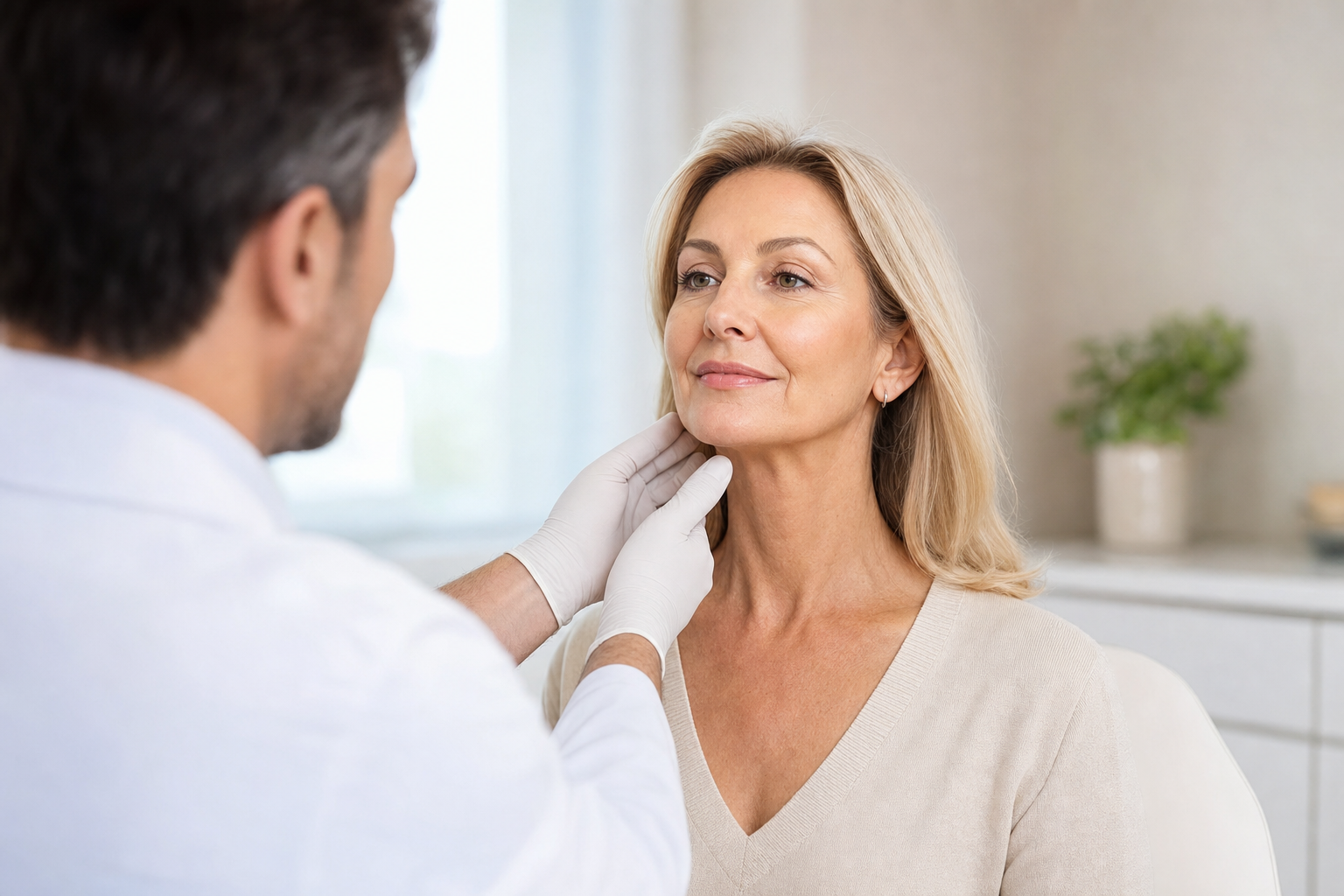
best mini facelift doctors
Choosing among the best mini facelift doctors requires more than comparing search results or polished photographs. Board certification, facelift-specific training, careful facial assessment, facility standards, and a plan tailored to your goals all deserve attention. Dr. Mark G. Albert, MD, FACS, is certified by the American Board of Plastic Surgery and is a Fellow of the American College of Surgeons. He completed plastic surgery residency and chief residency at the University of Massachusetts Medical School, followed by an aesthetic plastic surgery fellowship at Manhattan Eye, Ear, and Throat Hospital.
Albert Plastic Surgery provides individualized facelift consultations for adults considering a Mini Facelift. The appropriate operation depends on skin laxity, deeper facial support, skin quality, facial proportions, medical history, and the change you hope to see. Candidacy, technique, anesthesia, recovery, risks, and outcomes can be assessed only through consultation with a qualified clinician.
What should you look for in the best mini facelift doctors?
The best mini facelift doctors are qualified plastic surgeons who determine whether this operation fits a patient’s anatomy, goals, and degree of laxity. A Mini Facelift may suit selected adults with early jowling, mild lower-face laxity, or limited sagging along the jawline. It can provide focused refinement through a more limited surgical plan than some full facelift approaches, but the term “mini” does not describe one standardized operation.
Surgeons may differ in incision design, skin redraping, and treatment of the supportive facial layer. During consultation, ask which tissues the proposed operation would address, what it cannot change, and why it is preferable to another facelift plan. The discussion should also cover swelling, bruising, discomfort, visible scars, asymmetry, infection, bleeding, nerve-related changes, healing concerns, and possible revision. The aim is a natural, proportionate appearance. Not a tight or pulled result.
What are the benefits of choosing an experienced Mini Facelift surgeon?

The main benefit is informed surgical judgment before the operation. A qualified plastic surgeon evaluates the jawline, jowls, cheek position, skin elasticity, facial balance, and pattern of tissue descent. That examination helps distinguish loose skin from changes a limited facelift may not adequately address. It also creates an opportunity to discuss incision placement, anesthesia, postoperative monitoring, activity restrictions, and a realistic degree of improvement.
For a suitable patient, a Mini Facelift can focus treatment on early lower-face aging without extending the surgical plan beyond the areas of concern. Incision length, healing, and recovery vary by patient and technique. Some adults seek this approach to address early jowls while retaining facial movement and individual character. A carefully planned operation should respect expression rather than produce a uniformly stretched appearance.
Key insight: A mini facelift may be a suitable choice for carefully selected patients, but “mini” does not mean risk-free, scar-free, or appropriate for everyone. The benefit depends on matching the operation to the actual anatomy. A patient with more extensive skin laxity, pronounced neck changes, or broader facial descent may require a different facelift plan to achieve a balanced result. Recovery can include swelling, bruising, tenderness, temporary numbness, tightness, and limits on normal activities. The duration and quality of improvement cannot be guaranteed.
Dr. Albert’s academic roles offer additional context when patients compare surgeons. He is Program Director of the MEETH Aesthetic Plastic Surgery Fellowship and an Assistant Clinical Professor of Surgery at the Zucker School of Medicine at Hofstra/Northwell. Credentials do not replace a personal consultation, but they document formal training and continued involvement in aesthetic plastic surgery education. Patients should receive a clear explanation of the proposed technique, facility and anesthesia arrangements, follow-up plan, possible complications, and symptoms that require prompt medical attention.
How can you choose the best mini facelift doctors?
Start by reviewing board certification, aesthetic surgery training, facelift experience, facility standards, and the quality of the consultation. A qualified surgeon should assess your anatomy before recommending a technique and explain how skin laxity, jowls, the jawline, facial support, and skin elasticity affect the plan. The consultation should feel like a clinical discussion, not a sales presentation.
Albert Plastic Surgery - Individualized Facelift Planning
Best for: Adults seeking a personalized evaluation for early lower-face laxity, mild jowling, or age-related changes along the jawline.
Albert Plastic Surgery centers facelift care on formal training and individualized planning. Dr. Mark G. Albert, MD, FACS, is certified by the American Board of Plastic Surgery and is a Fellow of the American College of Surgeons. He completed plastic surgery residency and chief residency at the University of Massachusetts Medical School, followed by an aesthetic plastic surgery fellowship at Manhattan Eye, Ear, and Throat Hospital. He is also Program Director of the MEETH Aesthetic Plastic Surgery Fellowship and an Assistant Clinical Professor of Surgery at the Zucker School of Medicine at Hofstra/Northwell.
During consultation, ask which facial tissues the proposed Mini Facelift would address, where incisions would be placed, and why the plan fits your degree of laxity. Ask whether another facelift approach would better match your anatomy. The discussion should include anesthesia, facility arrangements, postoperative visits, scar care, activity limitations, swelling, bruising, numbness, asymmetry, infection, bleeding, nerve-related changes, healing concerns, and possible revision. Clear limits support informed consent.
| What to compare | Questions for your consultation | Why it matters |
|---|---|---|
| Professional credentials | Is the surgeon certified by the American Board of Plastic Surgery? | Confirms specialty-specific certification within plastic surgery. |
| Facelift training | What residency, fellowship, and aesthetic surgery training has the surgeon completed? | Training supports knowledge of facial anatomy, tissue handling, and surgical planning. |
| Technique selection | Why is a mini facelift appropriate for my skin laxity and facial structure? | “Mini” can describe different surgical plans, so the tissue targets should be clear. |
| Safety systems | Where will surgery occur, who provides anesthesia, and how is follow-up organized? | Facility standards, monitoring, and continuity of care are part of surgical safety. |
| Expected outcome | What improvement is realistic, and which concerns will remain? | Clear limits help prevent expectations of complete correction or permanent results. |
When reviewing before-and-after photographs, consider facial movement, proportion, jawline contour, and scar placement. Not only the most dramatic image. Ask whether the examples reflect patients with concerns similar to yours; photographs cannot predict an individual result. Request a written explanation of cost, including surgeon fees, facility charges, anesthesia, postoperative care, and follow-up. A consultation with Dr. Albert can help you discuss whether a Mini Facelift fits your goals and facial anatomy.
Frequently Asked Questions
What is a mini facelift?
A mini facelift is a facelift operation intended to address selected signs of aging in the lower face, such as early jowls or mild sagging near the jawline. The incision pattern, tissue support, and skin redraping vary among surgeons. The term does not describe one universally standardized technique, so your consultation should explain exactly which tissues the proposed operation would treat and which concerns may remain.
Who may be a candidate for a mini facelift?
Adults with limited lower-face laxity, good general health, realistic expectations, and a desire for refined jawline improvement may be considered. Age alone does not determine candidacy. Skin quality, facial anatomy, medical history, smoking status, healing factors, medications, and the extent of tissue descent all influence planning. Only an in-person evaluation with a qualified plastic surgeon can determine whether this approach is appropriate.
Is a mini facelift appropriate for early jowls?
It may be appropriate when jowling is mild and primarily affects the lower face. A surgeon must assess whether the visible change reflects loose skin, deeper tissue descent, or another structural concern. If laxity extends more broadly across the face or neck, a limited operation may not provide the balance or degree of correction you seek. The surgical plan should be based on anatomy rather than the procedure name alone.
How does a mini facelift differ from a full facelift?
A mini facelift generally uses a more limited treatment plan for selected lower-face concerns. A full facelift may address more extensive laxity and broader facial descent. Incision design, operative scope, anesthesia, recovery, scarring, and expected improvement vary by patient and surgeon. Smaller incisions do not eliminate swelling, bruising, numbness, infection, bleeding, nerve-related changes, or other surgical risks.
How does a mini facelift compare with a Deep Plane Facelift?
These terms describe different approaches to facelift planning and tissue treatment. A Deep Plane Facelift involves work beneath a deeper facial layer, while a mini facelift may use a more limited approach for localized laxity. Neither option is automatically better for every patient. Dr. Mark G. Albert can evaluate your facial structure, goals, and degree of aging before discussing which facelift technique may be suitable.
Leave a Reply