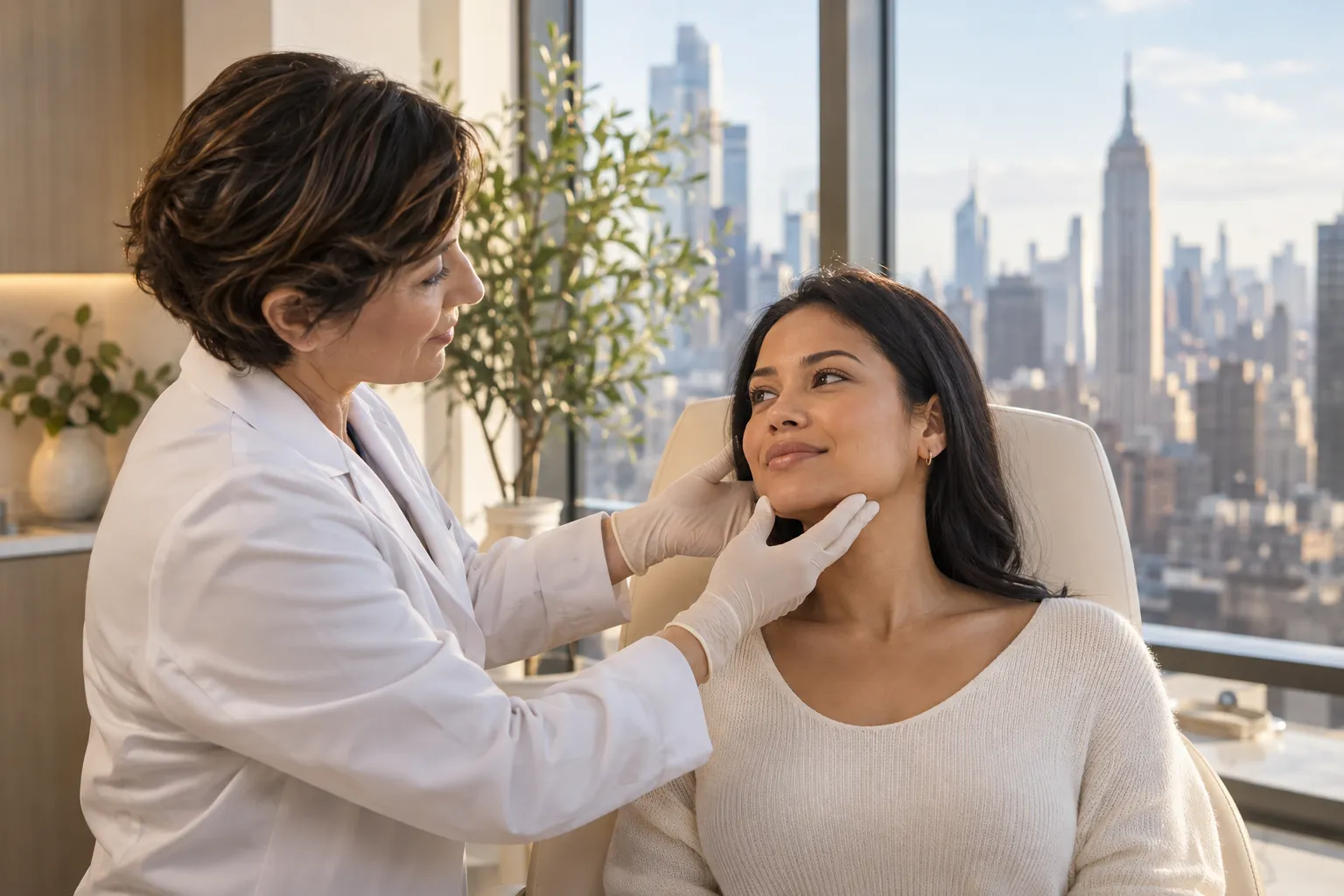
Best Nanolift™ in New York
For readers comparing the Nanolift™, the Best Nanolift™ in New York is a question of fit, not a promise of a particular result. Dr. Mark Albert created this proprietary facelift technique, designed for a subtle change in the lower face. His board certification, the technique’s defined approach, and its goal of natural-looking results are useful points to consider.
Key Takeaways
- Nanolift™ is a proprietary facelift technique developed by Dr. Mark Albert for patients seeking subtle refinement in the lower face.
- Choosing the right Nanolift™ surgeon depends on how well the technique's approach matches your individual goals and anatomy.
- Natural-looking, proportionate results are the intended outcome of this method rather than a dramatic transformation.
- Board certification in plastic surgery is one meaningful credential to weigh when comparing facelift surgeons.
- A consultation with a qualified clinician is the only way to determine whether this technique suits your situation.
A facelift choice should reflect facial anatomy, skin laxity, goals, and tolerance for surgery and recovery. This overview compares Nanolift™ with other facelift approaches and non-surgical treatments. It provides general education; an in-person consultation with a qualified clinician is needed to assess individual suitability and risks.
Best Nanolift™ in New York: Why Dr. Mark Albert's Technique Leads the Field
Dr. Mark Albert is featured because he developed the Nanolift™ technique offered through his practice. His credentials include certification by the American Board of Plastic Surgery and Fellowship in the American College of Surgeons. Ask about technique, anesthesia, limitations, and follow-up care alongside credentials.
How We Evaluated Minimally Invasive Facelift Options in NYC
A useful comparison considers what an option addresses, how it is performed, and whether its scope matches a person’s concerns. For a facelift, ask about the surgeon’s credentials, treatment of lower-face laxity, incision placement, anesthesia, recovery, and limitations. No technique suits every face, and a name or marketing label alone cannot establish candidacy.
Albert Plastic Surgery describes Nanolift™ as a facelift technique performed under local anesthesia, with an incision hidden in the hairline near the sideburn. These details distinguish it from office-based treatments, but do not establish that it is appropriate for every patient. Anatomy and medical history matter.
Dr. Mark Albert: Creator of the Nanolift™ Technique
Dr. Mark Albert created this proprietary technique. Its intended appeal is a measured change rather than a dramatic transformation. Patients seeking a refreshed lower-face contour can discuss whether that aim fits their anatomy and expectations. Dr. Albert is also Program Director of the MEETH Aesthetic Plastic Surgery Fellowship and an Assistant Clinical Professor of Surgery at the Zucker School of Medicine at Hofstra/Northwell.
Review Dr. Mark Albert’s professional background alongside a consultation. Ask how a plan would address your concerns, what it cannot change, and what recovery may involve. Credentials and a distinctive technique are not guarantees of an outcome.
What Is Nanolift™ and How Does It Differ From Other Lifts?
Nanolift™ is a surgical facelift option, not a non-surgical skin treatment. Its described incision and local-anesthesia approach differ from other facelift techniques. A Mini Facelift or Deep Plane Facelift may involve a different surgical plan. The degree and location of laxity, facial structure, and desired change guide discussion of suitability.
Nanolift™ vs. Mini Facelift, Deep Plane Facelift, and Non-Surgical Treatments: An Honest Comparison

Focus on the concern being treated. A facelift addresses visible facial laxity through surgery; non-surgical treatments may address other concerns but do not provide the same surgical correction of loose tissue. Age alone does not determine the appropriate approach. Consultation can help distinguish early lower-face changes from concerns that may call for a broader surgical plan.
Nanolift™ vs. Mini Facelift: Which Suits Your Degree of Laxity?
Both are facelift procedures, but their planned techniques and extent of correction may differ. Someone with early lower-face changes may ask whether Nanolift™ fits their goals; a Mini Facelift may be discussed for a different pattern of laxity or degree of correction. These are discussion points, not candidacy rules. A surgeon must assess facial anatomy and explain the expected scope.
Nanolift™ vs. Deep Plane Facelift: When Each Makes Sense
A Deep Plane Facelift has a distinct operative plan and may be considered when anatomy and goals call for broader correction. Nanolift™ may be discussed for a more focused change. An examination and conversation about proportion, recovery, risks, and realistic expectations help guide the decision.
The Hidden Cost of Repeated Non-Surgical Spending: Fillers, Botox, Threads, and Energy Devices
Repeated treatments can add up financially and require maintenance. Botox and fillers have temporary effects; threads and energy-based devices have their own uses and limitations. They are not substitutes for surgical correction of true skin laxity. If multiple treatments have not addressed a concern, surgery is not automatically the next step; discuss goals and alternatives.
Comparison Table: Nanolift™ vs. Surgical and Non-Surgical Alternatives
This table summarizes broad differences, not an individual recommendation. Treatment details and outcomes vary. Ask a qualified clinician what an option can address, its risks and maintenance needs, and what it cannot address.
| Option | Approach | Considerations |
|---|---|---|
| Nanolift™ | Surgical facelift described with local anesthesia and a hairline incision near the sideburn | Designed for a focused lower-face change; individual assessment is required |
| Mini Facelift | Surgical facelift with a distinct plan and scope | Discuss the extent of laxity and intended correction with the surgeon |
| Deep Plane Facelift | Surgical facelift using a different operative approach | May be considered for different anatomy and goals; recovery and risks need individualized discussion |
| Non-surgical treatments | Office-based treatments, which may include injectables or energy devices | Effects and maintenance vary; these do not provide the same correction of facial laxity as surgery |
Inside the Nanolift™ Procedure: Anesthesia, Hidden Incision, and Recovery Timeline
The Nanolift™ is a surgical facelift technique performed under local anesthesia, with an incision hidden in the hairline near the sideburn. Understanding the procedure, healing, and limitations can help prepare you for discussion with Dr. Mark Albert.
Step-by-Step: What Happens During Nanolift™ Under Local Anesthesia
Before surgery, the surgeon reviews your health, facial anatomy, goals, and proposed plan. If Nanolift™ is appropriate, Dr. Albert explains the local-anesthesia approach and incision placement. The procedure involves a surgical incision and tissue adjustment; the plan depends on individual assessment. Local anesthesia is specific to this technique as described by the practice, not a guarantee of comfort or an approach used for every facelift patient.
Ask what sensations you may notice, how the team will support you, and what instructions apply before and after surgery. Procedure length and care details vary. Your surgeon should explain the plan and why it may or may not suit you.
The Single Hidden Incision: What Makes It Different
The technique is described with a single incision in the hairline near the sideburn. Placement in a hair-bearing area may make it less noticeable, but healing and scar appearance vary with hairline position, skin characteristics, healing patterns, and the surgeon’s assessment.
“Hidden” describes intended placement, not a promise that no scar will show. Ask where the incision would sit, how it may heal, and what follow-up care is planned. Discussing scar expectations is part of informed consent.
Phase-by-Phase Recovery Guide, Including the Emotional Side of Healing
Recovery has no exact schedule. Early healing can include swelling, bruising, tightness, and changes in appearance that feel unsettling. The face continues to heal as swelling settles, with timing and degree of change varying. Albert Plastic Surgery describes many patients as returning to normal activities within about a week, though your recovery and activity guidance may differ.
- Early days: Follow your surgeon’s instructions and arrange support as advised. Swelling and bruising may affect your appearance.
- First week: Some patients resume usual activities; others need more time. Follow your care team’s activity and follow-up guidance.
- Ongoing healing: Appearance continues to settle. Contact your surgical team with concerns rather than judging the outcome during early swelling.
Anxiety, low mood, or second-guessing can arise during recovery, particularly when swelling changes appearance. Do not dismiss these feelings; they do not predict the final result. Ask whom to contact with questions and which symptoms need prompt attention. Seek urgent care for symptoms that may signal an emergency.
How Long Do Nanolift™ Results Last Compared to Non-Surgical Options?
A facelift can provide a longer-lasting structural change than treatments with temporary effects, but no result is permanent or not assured. Aging continues, and duration varies with anatomy, healing, and other individual factors. Dr. Albert can discuss what the technique may address and how its expected longevity differs from maintenance treatments.
According to the research findings supplied for this article, Botox effects commonly last about three to four months, fillers about six to eighteen months, and Sculptra may last up to two years. Individual duration varies. These timelines can frame discussion of ongoing expense, but do not establish which treatment is right for you.
Nanolift™ Cost in New York City: Value Analysis, Candidacy, and Risks
Price is one part of the decision, alongside surgical scope, credentials, recovery, and follow-up. Confirm Nanolift™ cost in New York City directly with the practice; an individualized quote may depend on the surgical plan and care involved. Compare full proposed costs and inclusions rather than relying on a headline price or assuming surgery costs less for every patient.
What Does Nanolift™ Cost in NYC, and How Does It Compare to Years of Non-Surgical Spending?
No verified Nanolift™ price is provided here, so an exact estimate would be misleading. Ask the practice for a written breakdown of the surgeon’s fee, facility and anesthesia arrangements, follow-up care, and other included or separate charges. Confirm inclusions before comparing quotes.
Repeated spending on fillers, Botox, Morpheus8, lasers, or other non-surgical treatments can accumulate, especially when maintenance is needed. Compare actual past and anticipated expenses with a surgical quote, while recognizing that these treatments do not address the same concerns. Cost alone cannot determine suitability or likely benefit.
Am I a Good Candidate for Nanolift™? Candidacy Criteria and Limitations
Nanolift™ is designed for people noticing early lower-face aging who are considering focused surgery. Age alone does not establish candidacy. Facial laxity, skin quality, health history, expectations, and desired degree of change all matter; a qualified clinician must assess them in consultation.
The approach may not address every concern or meet every person’s goals. If the desired correction is broader than the technique is intended to provide, another plan may be discussed. An article cannot determine eligibility; ask the surgeon to explain the likely scope and limitations for your anatomy.
Understanding the Risks and Realistic Expectations
Nanolift™ is surgery. Risks may include bleeding, infection, scarring, changes in sensation, asymmetry, delayed healing, and an unsatisfactory result. Risk varies with health, anatomy, and the surgical plan. Local anesthesia does not remove surgical risks, and no procedure guarantees a particular appearance or recovery.
Ask which risks are most relevant to you, how complications are addressed, what follow-up is available, and what outcome is realistic. Understand recovery instructions and when to contact the surgical team. A careful consultation should allow questions and a decision without pressure.
How to Choose a Qualified Nanolift™ Surgeon in New York
Verify the surgeon’s American Board of Plastic Surgery certification and ask about experience with the specific facelift technique. Dr. Mark Albert created Nanolift™ and is certified by the American Board of Plastic Surgery, with Fellowship in the American College of Surgeons. Credentials matter, alongside clear communication and an individualized plan.
- Ask why the proposed approach fits your facial anatomy and goals.
- Discuss incision placement, anesthesia, risks, recovery, and follow-up.
- Request a clear written estimate and confirm which services it covers.
- Review realistic expectations, limitations, and the surgeon’s approach to concerns after surgery.
If you would like to explore whether this technique fits your goals, you can request a facelift consultation with Dr. Mark Albert. Discuss options, candidacy, costs, and risks; a consultation does not commit you to surgery.
Nanolift™ FAQs: Top Questions From NYC Patients

These answers offer general information about the Nanolift™. Anatomy, health, goals, and surgical plan affect candidacy, recovery, risks, and expected results. Discuss personal questions with a qualified clinician.
What is a Nanolift™ and how is it different from a mini facelift?
Nanolift™ is Dr. Mark Albert’s signature surgical facelift technique, described as using local anesthesia and an incision hidden in the hairline near the sideburn. A Mini Facelift has a distinct surgical plan. The appropriate option depends on anatomy, laxity, and desired change.
Am I a good candidate for Nanolift™?
Only an in-person assessment can determine candidacy. Dr. Albert considers facial structure, skin laxity, health history, and goals. The technique is intended for focused change and may not address every concern or suit every patient.
How long does Nanolift™ surgery take and what is recovery like?
Procedure length and recovery vary; your surgical team should provide a specific timetable. Healing may involve swelling, bruising, or temporary changes in appearance. Some patients return to normal activities within about a week, but your recovery and activity instructions may differ.
How much does Nanolift™ cost in New York City?
No verified price is available in this article. Request an individualized written estimate and ask which surgical, facility, anesthesia, and follow-up services are included. Compare complete quotes rather than headline prices.
How long do Nanolift™ results last?
Results may last many years, but duration varies and aging continues. No result is permanent or not assured. Ask what change is realistic for your anatomy and how expected longevity compares with your goals.
Is Nanolift™ performed under general anesthesia?
Albert Plastic Surgery describes Nanolift™ as performed under local anesthesia. Anesthesia plans differ among facelift techniques and patients. Ask the surgeon to explain the plan for your case.
Will Nanolift™ results look natural or overdone?
The technique is intended to support a focused, natural-looking change, but appearance cannot be not assured. Explain what “natural” means to you and ask how the proposed plan may align with that goal.
What are the risks of Nanolift™?
Surgical risks can include bleeding, infection, scarring, changes in sensation, asymmetry, delayed healing, or an unsatisfactory result. Risks vary. Ask about your specific risk factors, follow-up care, and symptoms requiring prompt medical attention.
Can Nanolift™ be combined with other facelift techniques?
Whether techniques can be combined depends on the surgical plan and individual assessment. Ask Dr. Albert what approach would address your concerns, why it is being considered, and what additional risks or recovery needs may apply.
How do I schedule a Nanolift™ consultation with Dr. Mark Albert?
You can request a facelift consultation with Dr. Mark Albert. Discuss goals, candidacy, costs, recovery, and risks; scheduling does not commit you to surgery.
Frequently Asked Questions
What's the best age for a facelift?
There is no single best age for a facelift; suitability depends on your degree of skin laxity, facial anatomy, goals, and overall health rather than your birth year. Some patients notice early lower-face changes in their 40s while others seek broader correction later. A consultation with a qualified facelift surgeon can help clarify which approach fits your situation.
How much does a mini facelift cost in New York City?
Mini facelift cost in New York City varies based on the surgeon's credentials, anesthesia choice, facility fees, and the scope of correction planned for your anatomy. Exact pricing can only be established after an in-person evaluation and surgical plan. A consultation is the appropriate setting to discuss fees, what is included, and recovery expectations.
What is the Nanolift™ and who created it?
The Nanolift™ is a surgical facelift technique created by Dr. Mark Albert, a board-certified plastic surgeon in New York City. It is designed for a subtle, focused change in the lower face and is described as performed under local anesthesia with an incision hidden in the hairline near the sideburn. Individual candidacy requires an in-person assessment.
How does the Nanolift™ compare to a Mini Facelift or Deep Plane Facelift?
The Nanolift™, Mini Facelift, and Deep Plane Facelift are all surgical facelift options, but each involves a different operative plan and intended scope of correction. The Nanolift™ is designed for a more focused lower-face change, while a Deep Plane Facelift may be considered when anatomy and goals call for broader correction. A surgeon must examine your anatomy to explain which approach may fit.
Can non-surgical treatments like fillers or Botox replace a facelift?
Non-surgical treatments cannot provide the same surgical correction of loose facial tissue that a facelift addresses. Fillers and Botox have temporary effects and require ongoing maintenance, and threads or energy devices have their own limitations. If repeated treatments have not addressed visible skin laxity, a consultation can help you weigh whether surgery, or another plan, makes sense.
Is the Nanolift™ performed under general anesthesia?
The Nanolift™ is described as a facelift technique performed under local anesthesia, meaning the patient is awake during the procedure. Anesthesia planning varies by patient and technique, and it is one of several topics to review during a consultation. Your surgeon will confirm what is appropriate for your health, anatomy, and the planned procedure.
How do I choose the right facelift surgeon in New York?
Choosing a facelift surgeon should start with verifiable credentials, such as certification by the American Board of Plastic Surgery, along with experience in facelift techniques. Ask about the surgeon's approach, incision placement, anesthesia, recovery expectations, limitations, and follow-up care. No marketing label or technique name establishes candidacy, so an in-person consultation is essential before deciding.
Leave a Reply