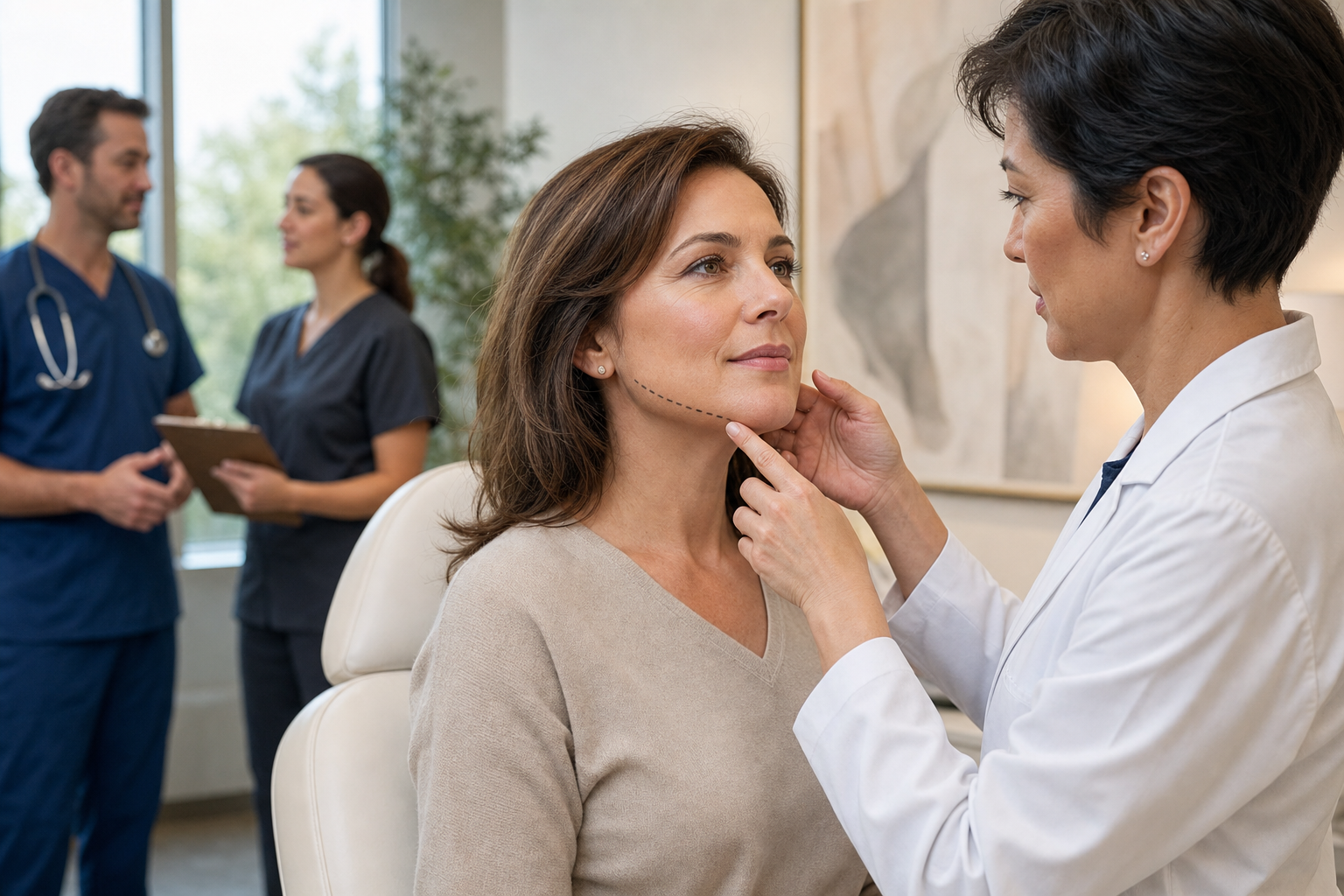
does mini facelift require general anesthesia
Whether does mini facelift require general anesthesia depends on the surgical plan, your health, and the anesthesia approach selected by your surgeon and anesthesia professional. Many mini facelifts can be performed with local anesthesia and oral or intravenous sedation. General anesthesia may be considered when surgery is more extensive or patient-specific factors make it appropriate. A consultation is necessary to determine the safest plan.
Key Takeaways
- Many mini facelifts can be comfortably performed with local numbing medicine combined with oral or IV sedation, allowing patients to avoid general anesthesia entirely.
- General anesthesia remains a reasonable choice when the surgical plan is more extensive or when a patient's health history calls for a deeper level of control during surgery.
- The decision between local and general anesthesia is made jointly by the surgeon and the anesthesia professional after reviewing the patient's medical history and goals.
- Awake techniques often allow for a faster, smoother recovery with less postoperative grogginess compared to procedures done under general anesthesia.
- A personalized consultation is the only reliable way to determine which anesthesia approach offers the best combination of safety and comfort for your specific procedure.
As a board-certified plastic surgeon and Fellow of the American College of Surgeons, I evaluate anesthesia alongside facial anatomy, skin quality, jowl formation, and the surgical plane being addressed. Albert Plastic Surgery maintains a dedicated live service page for Mini Facelift information. Candidacy, technique, recovery, risks, and outcomes require individualized clinical assessment.
Does a Mini Facelift Require General Anesthesia? Understanding Your Options
A mini facelift does not automatically require general anesthesia. Local anesthetic numbs the treatment area, while sedation reduces awareness, anxiety, and memory of the operation. Some patients remain responsive; others receive deeper intravenous sedation under close monitoring. General anesthesia creates a fully unconscious state and may be selected when the operation, medical history, or patient comfort makes it more suitable.
The Primary Question: Anesthesia for a Mini Facelift
The phrase does mini facelift require general anesthesia often reflects concerns about nausea, grogginess, breathing support, and recovery-room time. Anesthesia decisions depend on planned incisions, tissue elevation, operative duration, pain-control needs, medications, allergies, sleep or breathing history, and surgical-facility standards. A qualified anesthesia professional should review these factors before surgery.
What Is a Mini Facelift and Who Is It For?
A mini facelift is a focused facial rejuvenation operation for early to moderate laxity in the lower face and jawline. Depending on anatomy, the surgeon may elevate and secure deeper supporting tissue instead of relying only on skin tension. This can address some jowling and loose tissue, but not every sign of facial aging. It may not suit substantial neck laxity, advanced skin excess, certain medical conditions, or expectations beyond the procedure’s scope.
Setting Realistic Expectations from the Outset
A natural result requires proportionate correction, careful tissue handling, and acceptance of normal healing. Swelling, bruising, tightness, altered sensation, and incision visibility can occur even when surgery proceeds as planned. Early photographs are not a reliable measure of final appearance. The goal is not a frozen or windblown look, and no anesthesia method guarantees a particular cosmetic outcome. Discuss your priorities, concerns, and recovery tolerance during an in-person evaluation.
Anesthesia Choices for Mini Facelift Surgery: A Clinical Comparison

Local Anesthesia with Sedation: The Most Common Approach
Local anesthesia with oral or intravenous sedation is frequently used for outpatient facial surgery. Local medication blocks sensation in the operative area, while sedation promotes relaxation. Depending on dose, you may be awake and responsive or lightly drowsy with limited memory afterward. This approach may avoid some effects associated with full unconsciousness, but it still requires monitoring, trained personnel, oxygen support when needed, and management of blood pressure, heart rate, and comfort.
Intravenous Sedation (MAC): Deeper Relaxation, Conscious State
Monitored anesthesia care, commonly called MAC, uses intravenous medication adjusted throughout surgery. The patient may remain responsive, with deeper relaxation than minimal oral sedation. Airway reflexes are generally maintained more than with general anesthesia, though breathing can still slow or become less effective. Continuous observation is essential. The anesthesia professional may adjust or stop medication according to important signs, responsiveness, and surgical requirements. The experience differs among patients.
General Anesthesia: When It Might Be Considered
General anesthesia produces unconsciousness and commonly involves airway management by an anesthesia professional. It may be considered for a longer or broader operation, difficulty remaining responsive, or patient-specific medical and psychological factors. Possible concerns include postoperative nausea, sore throat, temporary grogginess, blood pressure changes, medication reactions, and breathing complications. General anesthesia is not inherently inappropriate, but a mini facelift does not automatically need it. The surgical and anesthesia teams decide after reviewing your health and procedure.
Comparing Anesthesia Options: Safety, Sensation, and Recovery
There is no universally safest method for every patient. A responsible plan matches anesthesia depth to the operation and uses an accredited facility, appropriate monitoring, emergency equipment, and qualified personnel. Ask who administers the anesthetic, where surgery takes place, how airway concerns are managed, which medications are included, and what discharge criteria apply. Local anesthesia with sedation can allow a more alert recovery, while general anesthesia provides complete unconsciousness. Both require informed consent and attention to individual risks.
| Approach | What you may experience | Potential recovery considerations | Questions to ask |
|---|---|---|---|
| Local anesthesia with sedation | The face is numb; relaxation ranges from mild drowsiness to limited awareness. | Some patients have less grogginess, but monitoring and an escort remain necessary. | What level of sedation is planned, and how will comfort be assessed? |
| Intravenous sedation, or MAC | Deeper relaxation with possible responsiveness and reduced memory. | Medication can be adjusted during surgery; breathing and circulation require continuous observation. | Who provides anesthesia, and what airway support is available? |
| General anesthesia | Complete unconsciousness with airway support managed by an anesthesia professional. | Grogginess or nausea may occur, and discharge requires recovery from the anesthetic as well as stable important signs. | Why is this depth appropriate for my operation and medical history? |
When patients ask, does mini facelift require general anesthesia, the accurate answer is that anesthesia is part of a personalized surgical plan, not a fixed feature of the procedure name. The selected method should support safety, surgical precision, comfort, and appropriate postoperative observation.
Mini Facelift Techniques: Addressing Jowls and Lower Face Aging
Understanding Lower Face Aging: Jowls and Jawline Laxity
Jowls develop as skin loses elasticity, facial fat shifts, and connective tissue supporting the lower face becomes less firm. This may cause folds near the mouth, softening along the jawline, and tissue hanging below the mandibular border. Sun exposure, genetics, age, weight changes, and skin quality influence the pattern. A mini facelift addresses selected lower-face laxity; the operation depends on skin excess, the SMAS layer, and whether aging extends beyond the lower face.
Why Non-Surgical Treatments Often Fall Short for Structural Jowl Correction
Energy-based treatments, injectable products, threads, and skin-care programs may affect texture or provide temporary changes for selected patients. They cannot reliably reposition descended facial support structures as surgery can. A person may see modest skin-quality improvement yet remain dissatisfied with persistent mini face lift jowls or a blurred jawline. Repeated treatment can add expense without addressing the anatomic source. An in-person assessment distinguishes loose skin, displaced soft tissue, volume changes, and skeletal anatomy.
The Mini Facelift Technique: SMAS Elevation vs. Skin-Only Tightening
A skin-only lift places tension mainly on the outer skin envelope. It may initially look tighter, but excessive tension can contribute to a pulled or windblown look, widened scars, and recurrent laxity. A well-planned Mini Facelift may address the SMAS, a deeper connective-tissue layer supporting the lower face. SMAS elevation or repositioning can reduce dependence on skin tension. The maneuver may range from limited elevation to more involved dissection based on anatomy and jowling.
Incision Patterns and Scarring Considerations in a Mini Facelift
Incisions are commonly placed around the ear. Design depends on hairline position, skin excess, tissue movement, and technique. Some patients may have shorter incisions; others need additional access to release and secure lax tissue. Scars are permanent, though they generally mature and become less noticeable. Infection, delayed healing, unfavorable scarring, skin injury, asymmetry, nerve-related changes, and recurrent laxity remain possible risks. Technique should prioritize tissue integrity and balance rather than incision length alone.
What This Technique May and May Not Address
Pros
- Can directly reposition selected lax tissues along the lower face and jawline.
- May reduce jowling more predictably than treatments affecting only the skin surface.
- Allows the surgeon to tailor dissection and SMAS treatment to individual anatomy.
Cons
- Does not stop normal aging or correct every neck and facial concern.
- Involves incisions, swelling, bruising, sensory changes, and surgical risks.
- Results vary with skin elasticity, healing, sun exposure, age, and operation.
Realistic Mini Facelift Recovery: What to Expect by Day 5 and Beyond
The Immediate Post-Operative Period: Day 1
During the first day, the face may feel tight, numb, swollen, or tender. Bruising can become more noticeable over the next several days. Dressings, incision care, head elevation, activity restrictions, and medication instructions vary by surgeon and plan. Discharge should include a designated adult, clear instructions, clinical-team access, and warning signs. Do not drive, make important decisions, or judge the cosmetic result while affected by anesthesia or prescribed medication.
Navigating Day 5: Swelling, Bruising, and Early Comfort
Swelling commonly peaks between 48 and 72 hours, according to recovery information published by Dr. NeSmith. By Day 5, some patients notice early stabilization, but edema, bruising, tightness, and unevenness may remain. Mini facelift pictures after 5 days are not final comparisons. Lighting, camera angle, makeup, filters, and individual healing can mislead. Numbness near the ears or cheeks may persist and does not automatically indicate a poor result.
The First Few Weeks: Suture Removal and Initial Healing
Follow-up visits let the surgeon inspect incisions, assess swelling, and remove sutures when appropriate. Timing depends on closure technique and healing. Avoid strenuous activity, facial pressure, smoking, and unapproved products near incisions. Mild asymmetry can change as swelling resolves at different rates. Increasing redness, drainage, worsening pain, fever, sudden swelling, skin discoloration, shortness of breath, or new weakness requires prompt contact with the surgical team or urgent medical evaluation.
Longer-Term Recovery: Sensation Changes and Returning to Normal
Many patients gradually resume social and work activities as bruising subsides, guided by the surgeon. Facial sensation may remain altered for weeks or longer as sensory nerves recover. Incisions can look pink, firm, or uneven before scars mature. Tissue settling continues after the early period, so Day 5 or several weeks cannot establish success. A mini facelift may provide lasting improvement, but future aging, environmental exposure, and inherited skin characteristics continue to affect the face.
Preventing Poor Outcomes: Surgeon Expertise and Patient Adherence
Concerns about a botched mini face lift include visible scarring, distortion, asymmetry, skin compromise, recurrent laxity, or injury to facial nerve branches. Risk reduction begins with an appropriately trained, board-certified plastic surgeon who understands facial anatomy and selects a suitable technique. Facility accreditation, qualified anesthesia personnel, sterile protocols, emergency readiness, and structured follow-up also matter. Patients support healing by accurately disclosing medical history and medications, following wound-care instructions, keeping appointments, and reporting changes early. No credential or protocol eliminates every risk, and outcomes cannot be not assured.
Making an Informed Decision: Consultation, Costs, and Candidacy
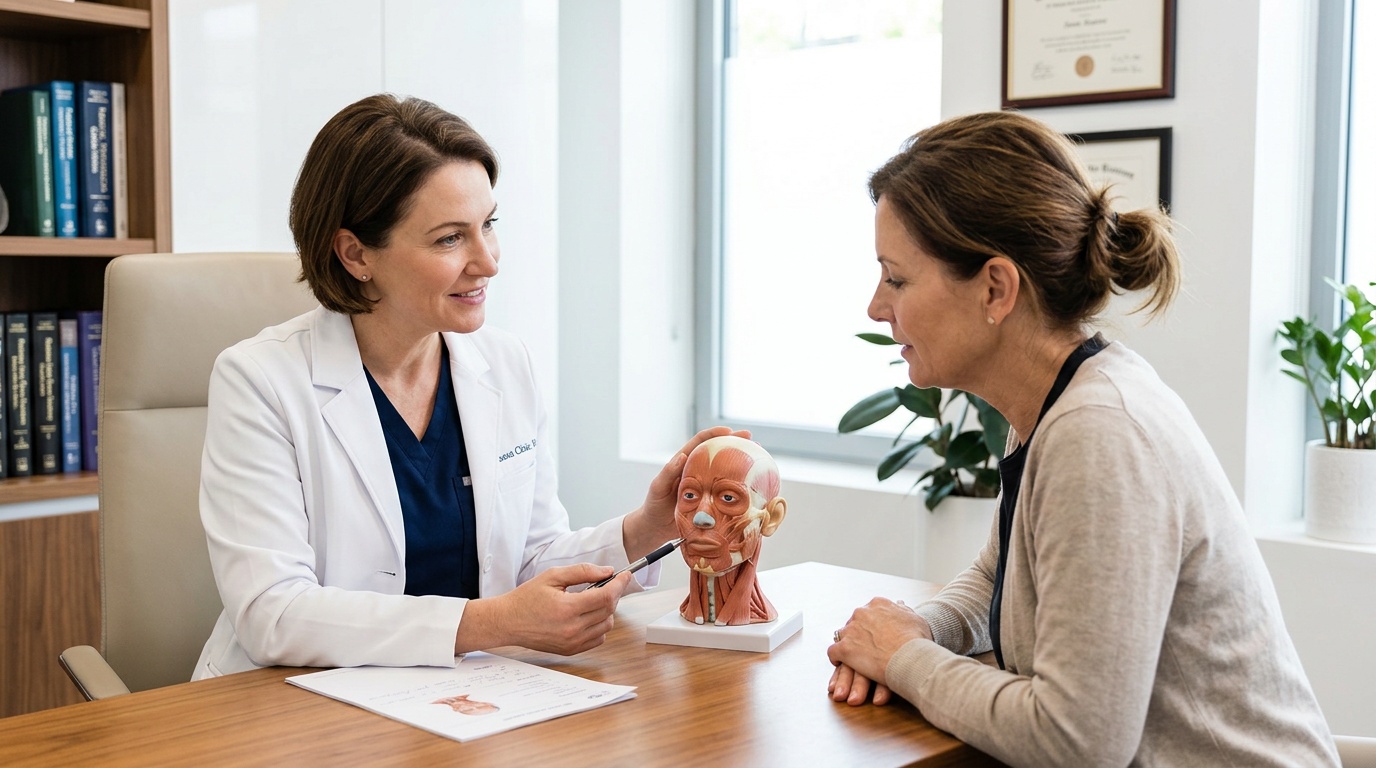
When asking does mini facelift require general anesthesia, also consider whether the operation matches your anatomy and goals. A consultation with a board-certified plastic surgeon should assess skin elasticity, lower-face laxity, jowl formation, medical history, medications, smoking status, and recovery preferences. I review these together rather than choosing anesthesia in isolation. Albert Plastic Surgery maintains a dedicated live service page for Mini Facelift education. Candidacy, technique, recovery, risks, and outcomes require individualized clinical assessment.
Who Is a Good Candidate for a Mini Facelift?
A potential candidate may have early to moderate sagging around the cheeks, jawline, or jowls and want measured improvement rather than dramatic change. Good general health, realistic expectations, and willingness to follow postoperative instructions matter. A mini facelift may be less suitable with substantial neck laxity, extensive skin excess, untreated medical risk, or goals beyond the operation’s scope. Age alone does not determine eligibility; facial structure, tissue quality, healing capacity, and priorities are more informative.
Key Questions to Ask Your Surgeon About Anesthesia and Technique
Ask which tissue layers will be addressed, whether the plan includes SMAS repositioning, where surgery will occur, who will administer anesthesia, and what monitoring and emergency resources are available. Discuss incision design, hairline and ear anatomy, follow-up, warning signs, and unretouched procedure-specific photographs showing healing stages. Online mini facelift reviews cannot replace an examination or discussion of your risk profile.
Understanding the Financial Investment: Surgeon, Facility, and Anesthesia Fees
When considering how much does a mini facelift cost, request a written estimate separating the surgeon’s fee, facility charge, anesthesia services, preoperative evaluation, postoperative visits, and supplies. Pricing varies with complexity, anesthesia depth, geographic location, facility standards, and surgeon experience. A low quote may exclude necessary services, while a higher quote does not guarantee a particular result. Ask which charges are included, what happens if the plan changes, and whether revision surgery or complication treatment has separate fees.
The Longevity of Mini Facelift Results
Patients often ask how long does a mini facelift last. Published patient education from Healthline describes results as lasting for several years. Duration varies with skin elasticity, age, sun exposure, genetics, weight fluctuations, and the depth of tissue support addressed. Surgery does not stop future aging. A thoughtful plan aims for natural improvement that remains proportionate as the face changes, rather than promising permanence.
Next Steps: Scheduling Your Personalized Consultation
A consultation is the appropriate next step to determine whether a mini facelift can address your lower-face concerns. Confirm the surgeon’s American Board of Plastic Surgery certification, Fellow of the American College of Surgeons status, facility accreditation, anesthesia arrangements, and postoperative access. Bring a complete medical history and discuss timing, privacy needs, and tolerance for visible healing. The final answer to does mini facelift require general anesthesia should follow this individualized review, not a generalized online promise.
Frequently Asked Questions
How painful is a mini facelift?
A mini facelift usually involves manageable discomfort rather than severe pain, though each patient’s experience varies. Local anesthesia or sedation helps control discomfort during surgery, while swelling, bruising, tightness, and altered sensation may occur during healing. Dr. Albert reviews pain-control options and recovery concerns during an individualized consultation.
Can you get a mini facelift without general anesthesia?
A mini facelift can often be performed with local anesthesia and oral or intravenous sedation instead of general anesthesia. The appropriate approach depends on the surgical plan, medical history, medications, breathing history, comfort level, and facility standards. A qualified anesthesia professional and surgeon should determine the safest option for each patient.
How long does it take to look normal after a mini facelift?
A mini facelift may require several weeks for swelling, bruising, tightness, and altered sensation to settle, while final healing can take longer. Recovery varies with surgical technique, anatomy, skin quality, and individual healing. Early photographs may not reflect the final appearance, so follow-up with the surgeon is important.
How does a 60-year-old look before and after a mini facelift?
A 60-year-old may have improvement in selected lower-face laxity, jowling, or jawline definition after a mini facelift, though results vary substantially. Before-and-after appearance depends on facial anatomy, skin quality, tissue support, surgical technique, and healing. A mini facelift may not address significant neck laxity or advanced skin excess.
What are the downsides of a mini facelift?
Mini facelift downsides can include swelling, bruising, tightness, temporary numbness, incision visibility, scarring, asymmetry, infection, bleeding, and dissatisfaction with the result. A mini facelift also has limits and may not correct substantial neck laxity or advanced facial aging. Individual risks, candidacy, and alternatives require an in-person clinical assessment.
Leave a Reply