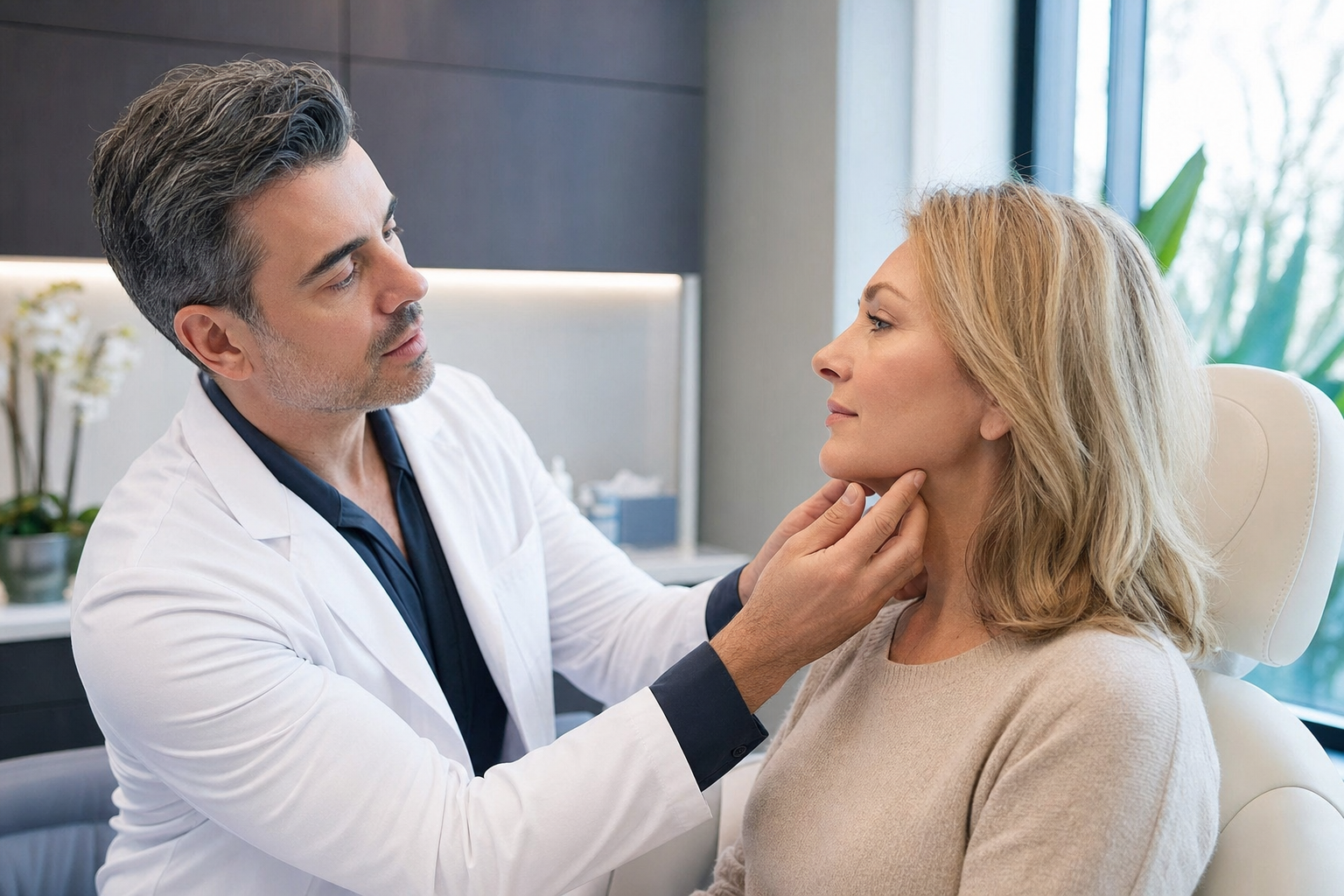
best plastic surgeons for mini facelift
Choosing among the best plastic surgeons for mini facelift requires more than scanning online reviews or selecting the most visible name in a search result. Board certification, focused facial surgery training, a careful assessment of skin and deeper tissue laxity, facility standards, and a surgeon’s ability to match the operation to your anatomy all deserve attention.
At Albert Plastic Surgery, Dr. Mark G. Albert, MD, FACS, approaches facelift surgery with an emphasis on proportion, tissue support, patient safety, and continuity of care. The appropriate operation may be a Mini Facelift, Nanolift™, Deep Plane Facelift, or another facelift technique, depending on the findings of an in-person consultation. Candidacy, technique, recovery, risks, and outcomes require individualized clinical assessment.
What is best plastic surgeons for mini facelift?
There is no single objectively best mini-facelift surgeon for every patient. A well-qualified choice is a surgeon who is certified by the American Board of Plastic Surgery or an equivalent recognized organization, has appropriate surgical training, performs facelift surgery in an accredited setting, and recommends a technique that fits your facial structure and goals. The Mini Facelift is a focused facelift option that may suit selected patients with early or moderate lower-face laxity, but it is not automatically appropriate because of age, a photograph, or a preference for a shorter operation.
Dr. Mark G. Albert is the founder and chief surgeon of Albert Plastic Surgery. He is certified by the American Board of Plastic Surgery and is a Fellow of the American College of Surgeons. His training includes plastic surgery residency and chief residency at the University of Massachusetts Medical School, followed by an aesthetic plastic surgery fellowship at Manhattan Eye, Ear, and Throat Hospital. He also serves as Program Director of the MEETH Aesthetic Plastic Surgery Fellowship and as an Assistant Clinical Professor of Surgery at the Zucker School of Medicine at Hofstra/Northwell.
When comparing facial plastic surgeons, review credentials independently through the American Society of Plastic Surgeons guidance on choosing a facelift surgeon. The organization advises patients to consider recognized board certification and surgical training. Reviews can describe communication and office experience, yet they cannot establish technical judgment, complication management, anesthesia planning, or the suitability of a particular facelift approach.
Benefits of best plastic surgeons for mini facelift

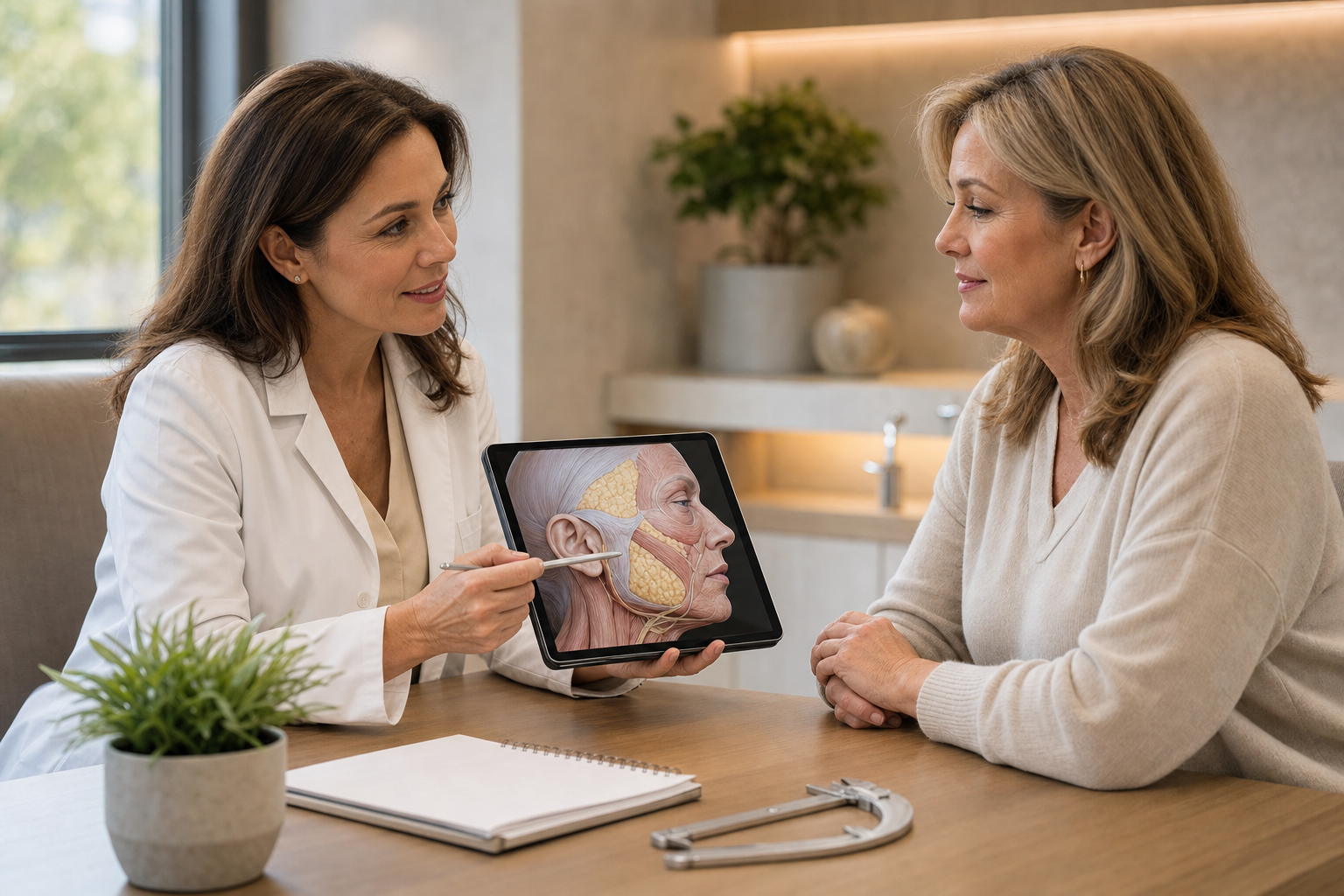
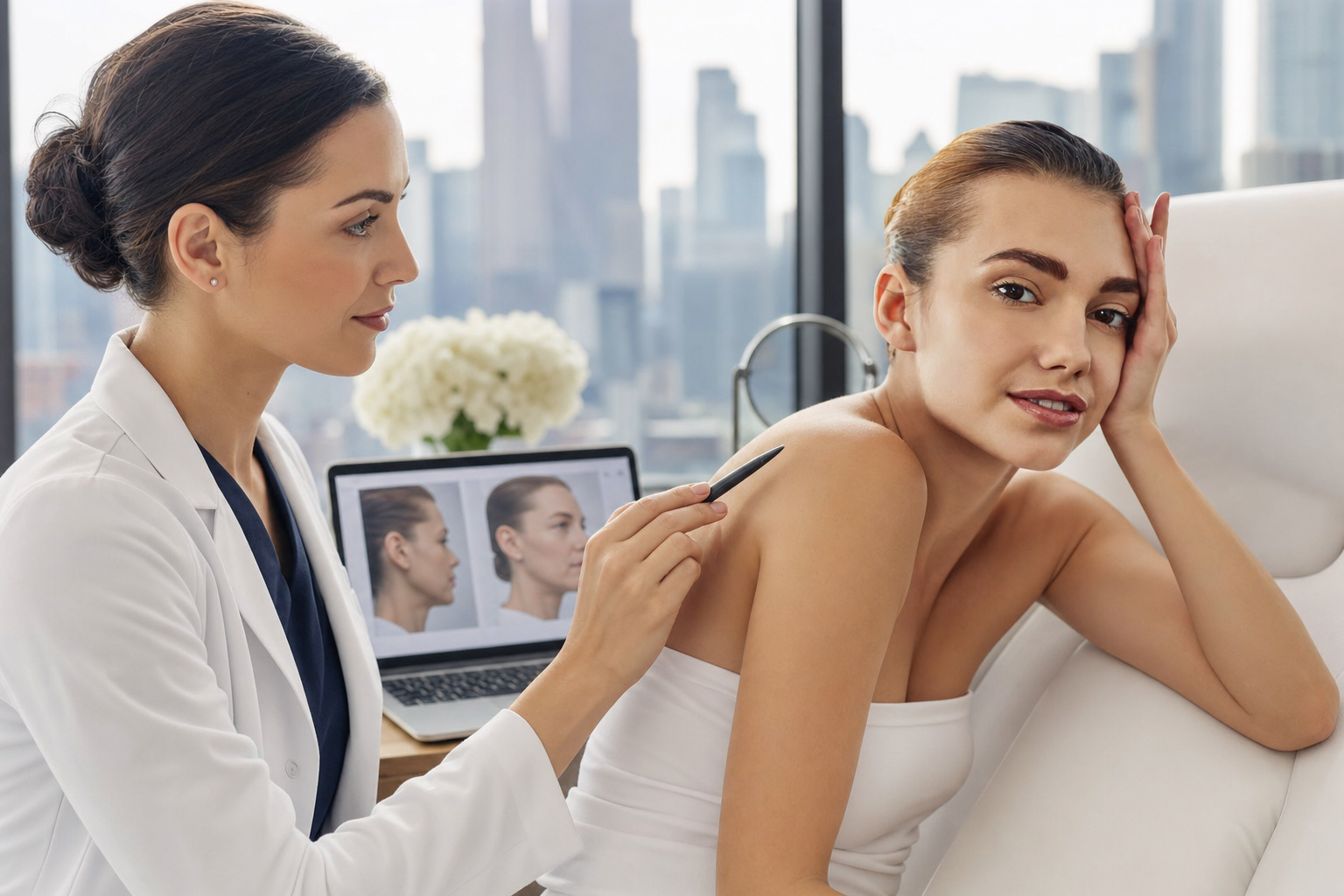
The principal benefit of choosing a qualified facelift surgeon is individualized planning. A mini facelift may address selected changes along the jawline, jowls, and lower cheek by repositioning and supporting facial tissues through a more limited approach. It cannot correct every concern, and the amount of improvement depends on tissue quality, facial proportions, skin elasticity, bone structure, and the degree of laxity. A surgeon who performs a detailed examination can explain whether a Mini Facelift is a reasonable fit or whether a different facelift design would better address the anatomy.
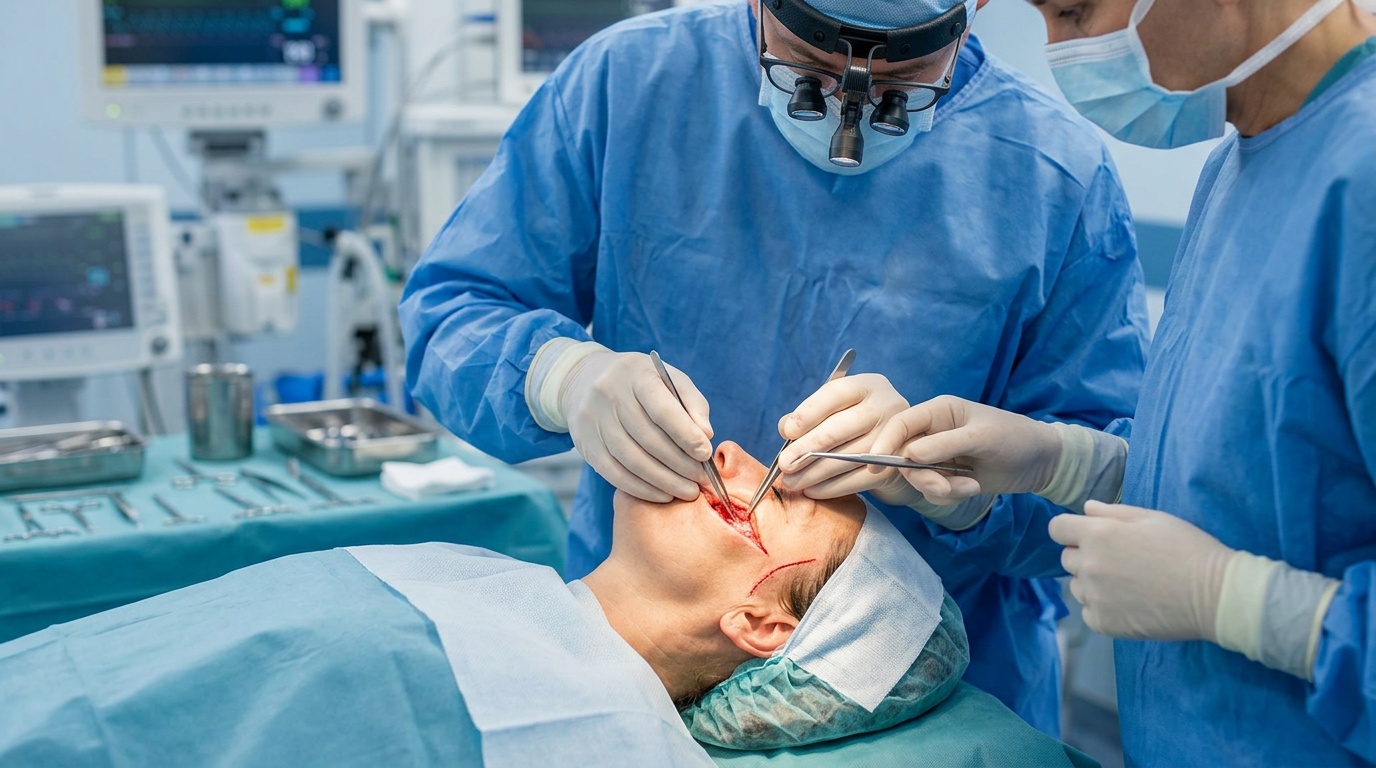
Sound planning also helps protect against a mismatch between expectations and likely results. Some patients want a subtle refresh, while others have more advanced descent of the cheek, jawline, or neck. A limited operation may not provide the intended change when laxity extends beyond the area it can reasonably treat. During consultation, ask how the proposed incision pattern, tissue layer, anesthesia plan, scar placement, recovery process, and follow-up schedule relate to your goals. A thoughtful discussion should include limitations, possible revisions, wound healing, bleeding, infection, nerve-related changes, asymmetry, hairline or earlobe changes, and the possibility that aging will continue.
Experienced facelift care also involves more than the procedure itself. Medical history, nicotine exposure, medications, prior facial surgery, healing conditions, and anesthesia considerations can affect planning. A qualified surgeon should explain preparation instructions and postoperative monitoring without presenting surgery as lower-risk or predictable for everyone. You should have a clear route for contacting the practice, attending follow-up visits, and reporting concerns during recovery.
Albert Plastic Surgery maintains a dedicated live service page for Mini Facelift. Dr. Albert’s academic and clinical roles provide a foundation for discussing facial anatomy, surgical technique, and realistic aesthetic goals in a structured consultation. For patients researching the best plastic surgeons for mini facelift, that combination of recognized certification, focused aesthetic training, direct physician evaluation, and ongoing care offers a more meaningful basis for comparison than popularity alone.
How to Choose best plastic surgeons for mini facelift
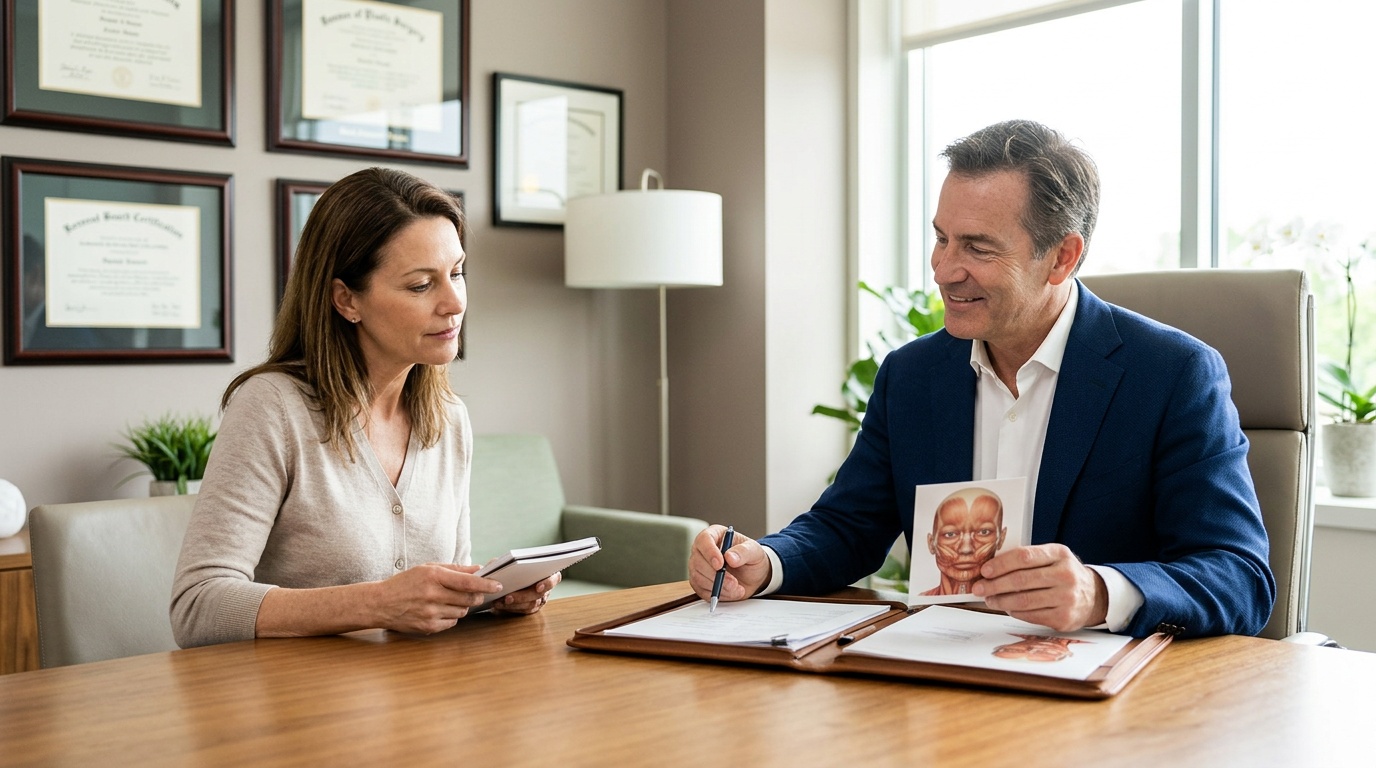
Finding the best plastic surgeons for mini facelift begins with verifiable qualifications rather than popularity, advertising, or online reviews. Look for certification by the American Board of Plastic Surgery or an equivalent recognized organization, substantial surgical education, dedicated facelift experience, and surgery performed in an appropriately accredited facility. The American Society of Plastic Surgeons guidance recommends reviewing a surgeon’s board certification and training. You can independently confirm certification through the official ABPS certification directory and ask whether hospital privileges, anesthesia services, and postoperative support are appropriate for your planned operation.
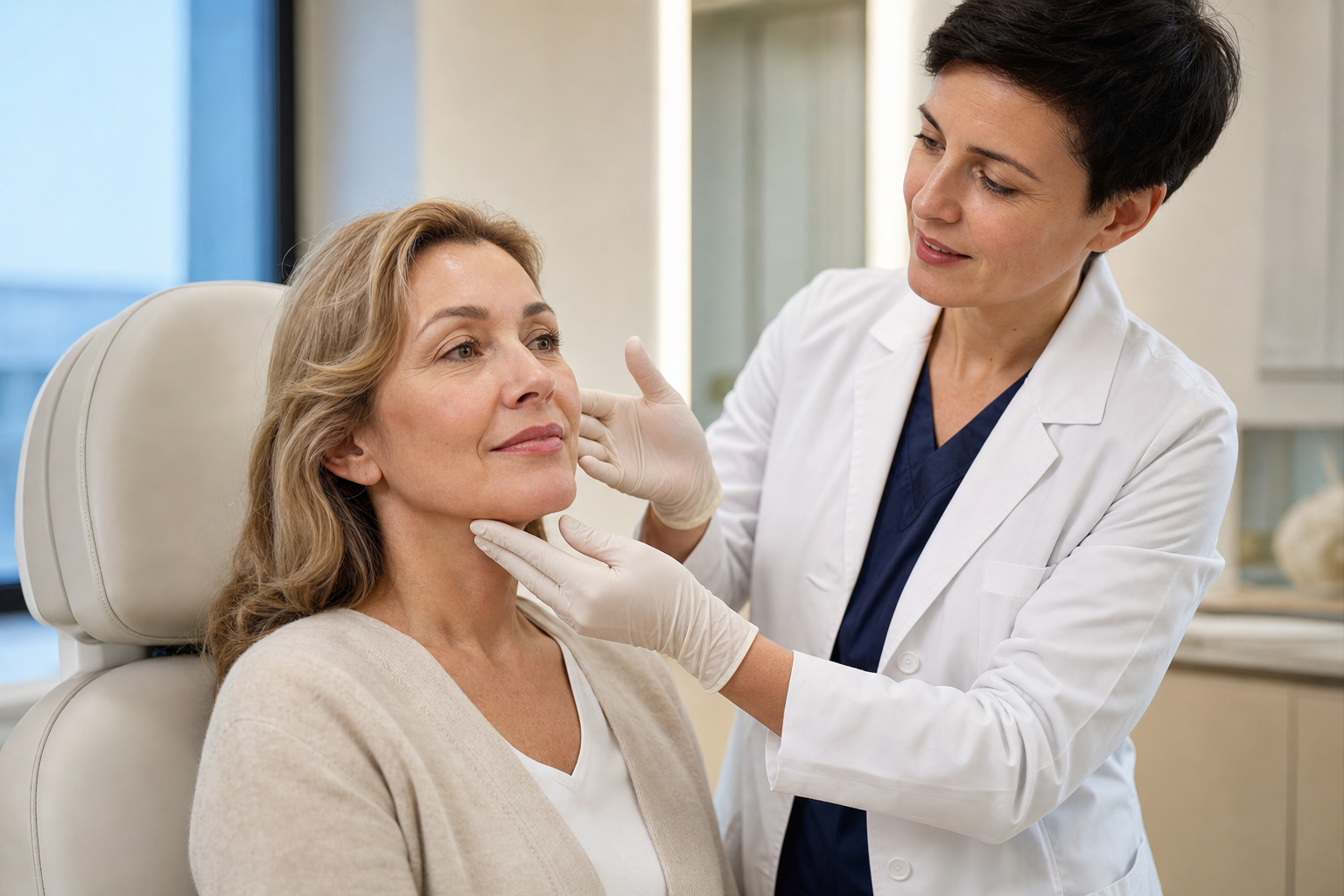
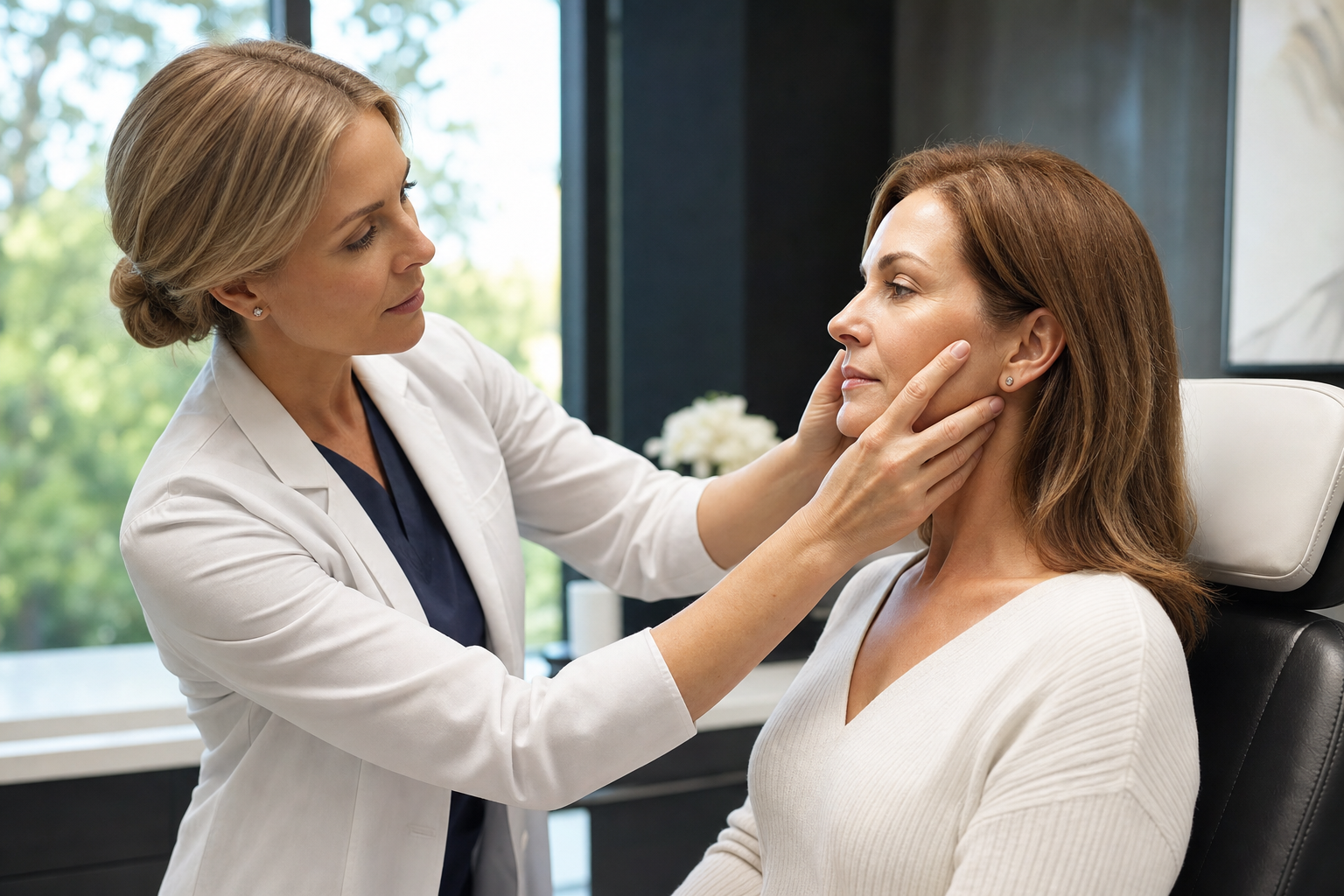
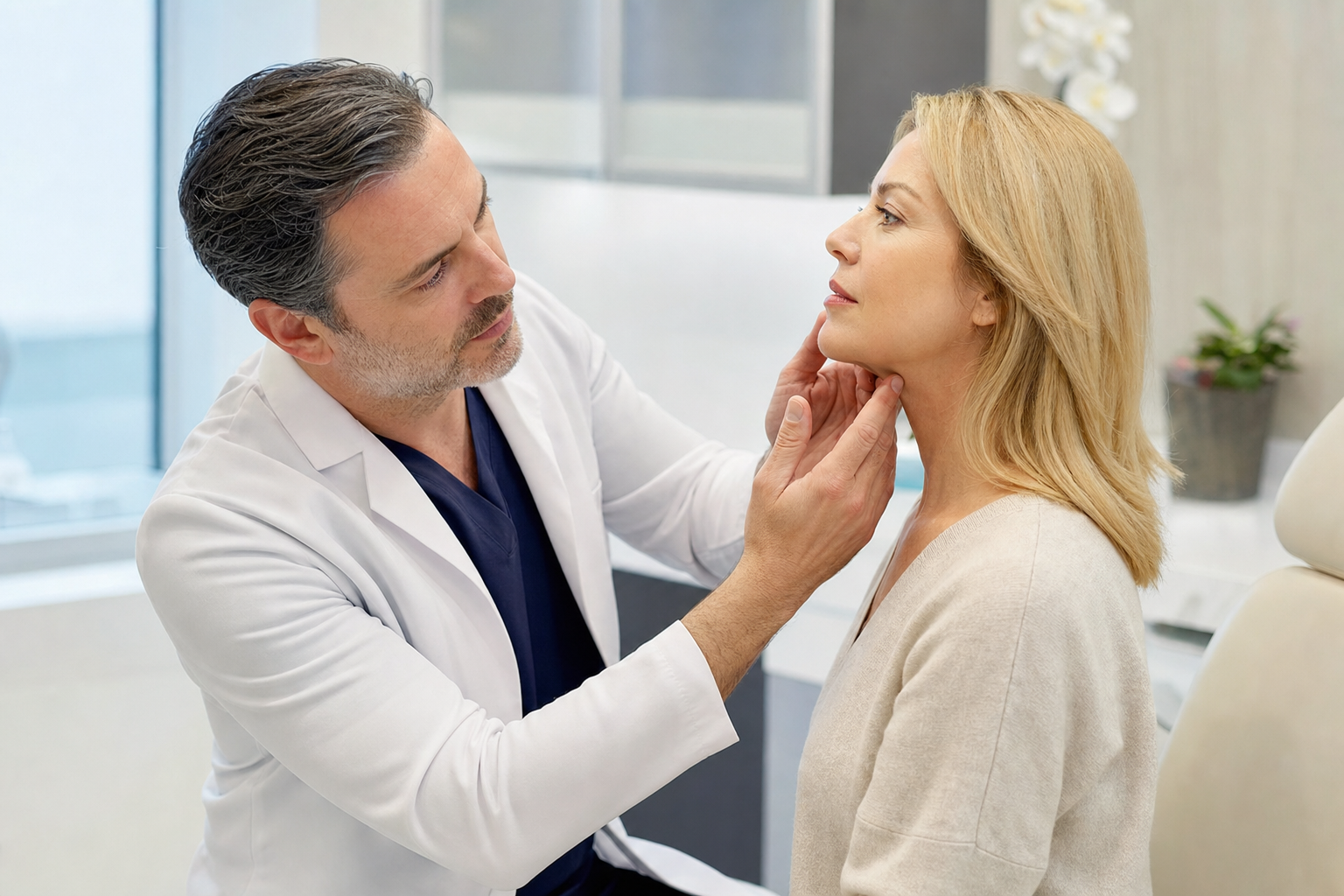
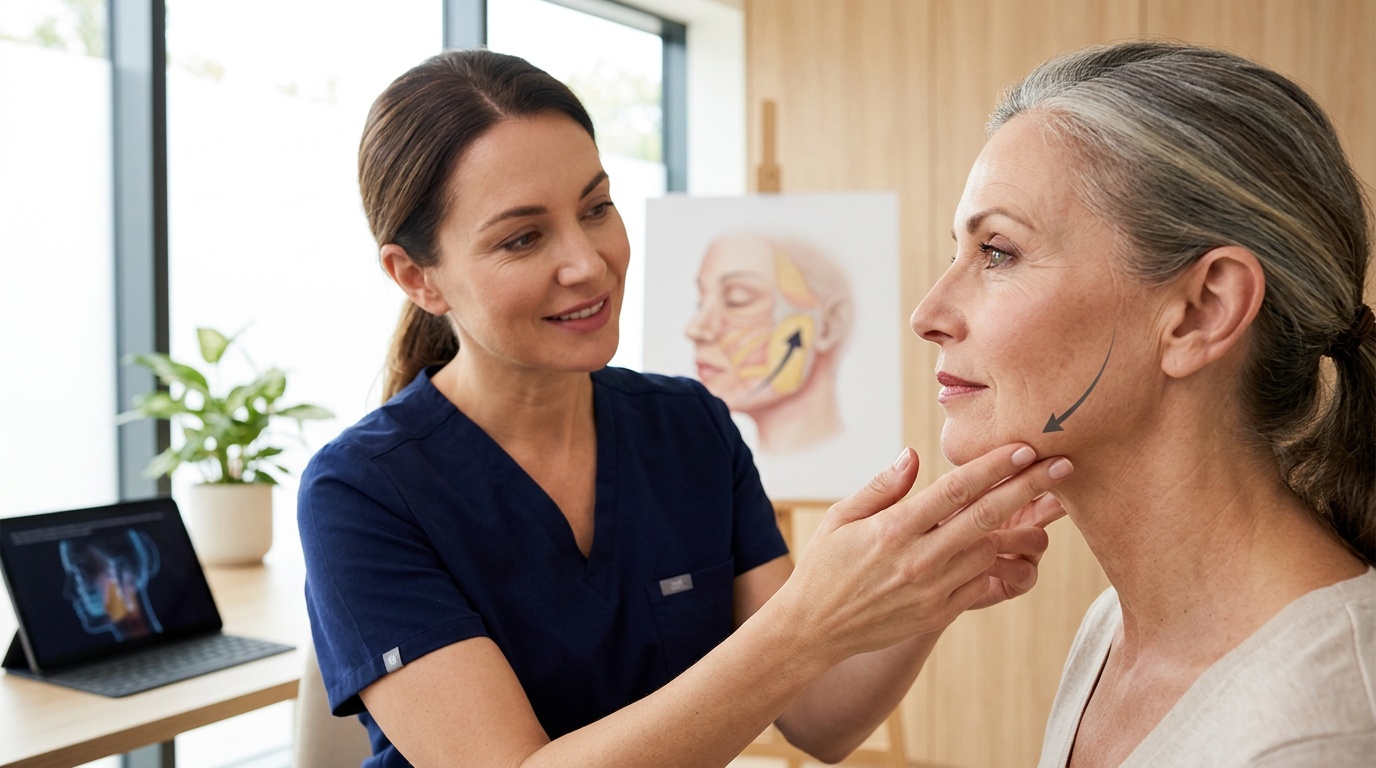
Credentials are only the starting point. During consultation, the surgeon should examine your skin quality, facial symmetry, jawline, jowls, cheek descent, neck laxity, prior procedures, medical history, and healing factors. A responsible recommendation may involve a Mini Facelift, Nanolift™, Deep Plane Facelift, or Mini Facelift design with a different extent of dissection. There is no universal age threshold that determines eligibility. Technique, anesthesia, recovery, risks, and anticipated longevity depend on anatomy, health, tissue laxity, and personal goals.
| Selection criterion | What to verify | Why it matters |
|---|---|---|
| Board certification | Current American Board of Plastic Surgery certification or an equivalent recognized credential | Shows that the surgeon has completed relevant examination and specialty training requirements |
| Facelift assessment | In-person examination of skin, soft tissue, facial proportions, and the neck | Helps determine whether a limited facelift approach matches the degree and location of laxity |
| Surgical setting | Facility accreditation, anesthesia planning, emergency protocols, and recovery supervision | Supports organized perioperative care and informed safety discussions |
| Communication | Clear explanations of scars, swelling, bruising, wound healing, nerve-related changes, asymmetry, and revision possibilities | Allows realistic consent instead of relying on generalized promises |
| Follow-up | Direct instructions, scheduled examinations, and a reliable contact pathway after surgery | Provides continuity while healing progresses and concerns are evaluated |
At Albert Plastic Surgery, Dr. Mark G. Albert, MD, FACS, offers the combination of recognized credentials, aesthetic plastic surgery fellowship training at Manhattan Eye, Ear, and Throat Hospital, and an academic role as Program Director of the MEETH Aesthetic Plastic Surgery Fellowship. As founder and chief surgeon, he evaluates whether the requested operation corresponds with the patient’s facial structure and desired degree of change. This approach gives patients a direct opportunity to discuss incision placement, tissue repositioning, anesthesia, recovery planning, privacy, and follow-up with the surgeon responsible for care.
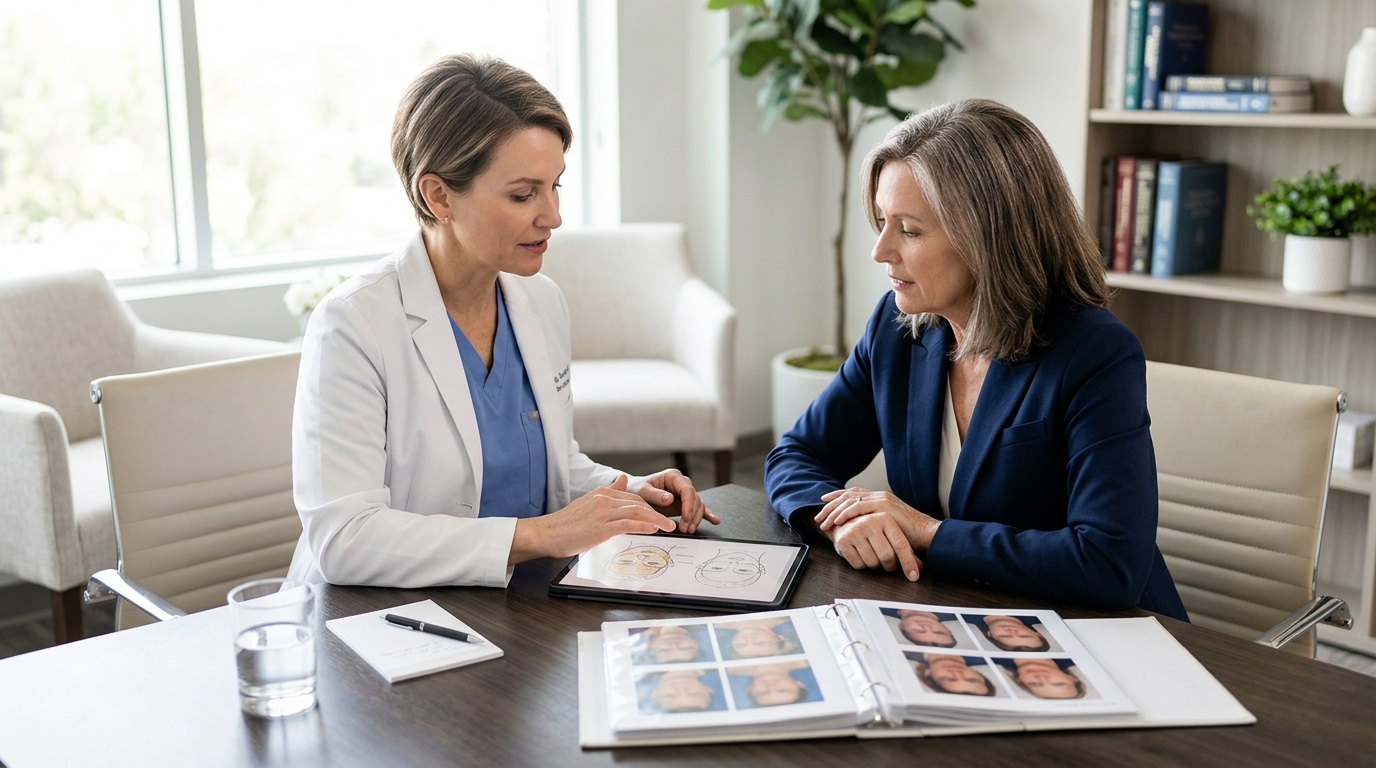
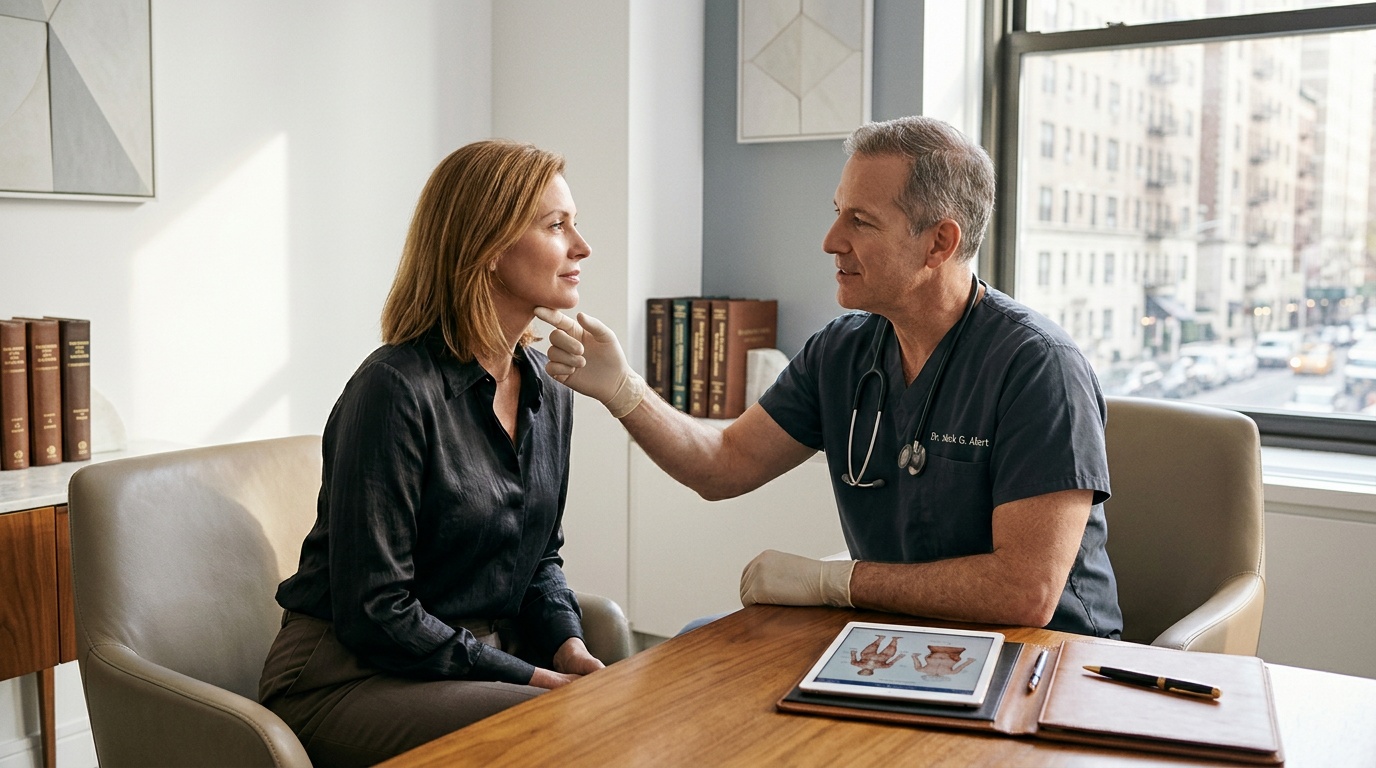
When comparing the best plastic surgeons for mini facelift, request a consultation that leaves room for questions rather than a rushed recommendation. Ask to see appropriately presented examples of results that reflect the proposed technique, while remembering that photographs cannot predict an individual outcome. Discuss nicotine use, medications, medical conditions, travel plans, work responsibilities, and the circumstances that would require prompt medical attention. A fee should be explained in writing, including surgeon services, facility costs, anesthesia, postoperative visits, and any items that are not included. Candidacy and final treatment planning require an individualized clinical evaluation.
Frequently Asked Questions
How do I find the best plastic surgeon for a mini facelift?
Start with credentials that you can independently verify, then assess the surgeon’s experience with facelift surgery, consultation process, surgical facility, anesthesia plan, and postoperative care. Reviews may provide insight into communication and office experience, but they cannot determine technical judgment or whether a specific operation suits your anatomy. A qualified consultation should include an examination of skin laxity, facial proportions, jowls, jawline, and neck, followed by a discussion of realistic benefits, scars, limitations, risks, and recovery.
Is there one objectively best mini-facelift surgeon?
No. The appropriate surgeon depends on your anatomy, goals, medical history, and the extent of tissue laxity. A surgeon who is an excellent match for one patient may not recommend the same facelift technique for another. Compare education, American Board of Plastic Surgery certification, facial surgery experience, communication, facility standards, and continuity of care rather than relying on a popularity ranking. Dr. Mark G. Albert, MD, FACS, is the founder and chief surgeon of Albert Plastic Surgery, and patients can discuss individualized facelift planning directly with him during consultation.
What credentials should a mini-facelift surgeon have?
Look for certification by the American Board of Plastic Surgery or an equivalent recognized organization, appropriate surgical residency training, and privileges or practice arrangements suited to facelift surgery. The American Society of Plastic Surgeons guidance recommends reviewing a surgeon’s board certification and training. Fellowship training in aesthetic plastic surgery can provide additional focused education, though credentials should always be considered alongside examination, surgical judgment, informed consent, and follow-up arrangements.
How can I verify American Board of Plastic Surgery certification?
Use the official American Board of Plastic Surgery certification directory rather than relying only on a practice website or directory listing. Confirm that the surgeon’s name appears with current certification status, and ask the office to explain any credential that you do not understand. Certification does not guarantee a particular result or eliminate surgical risk. Candidacy, technique, recovery, risks, and outcomes require individualized clinical assessment by a qualified clinician.